Deputy Minister for Finance Thomas Nyarko Ampem has urged stakeholders in the rice value chain to intensify efforts to bridge the gap between rice production and consumption in West Africa, warning that the region’s heavy dependence on imports is draining valuable foreign exchange and limiting economic opportunities.
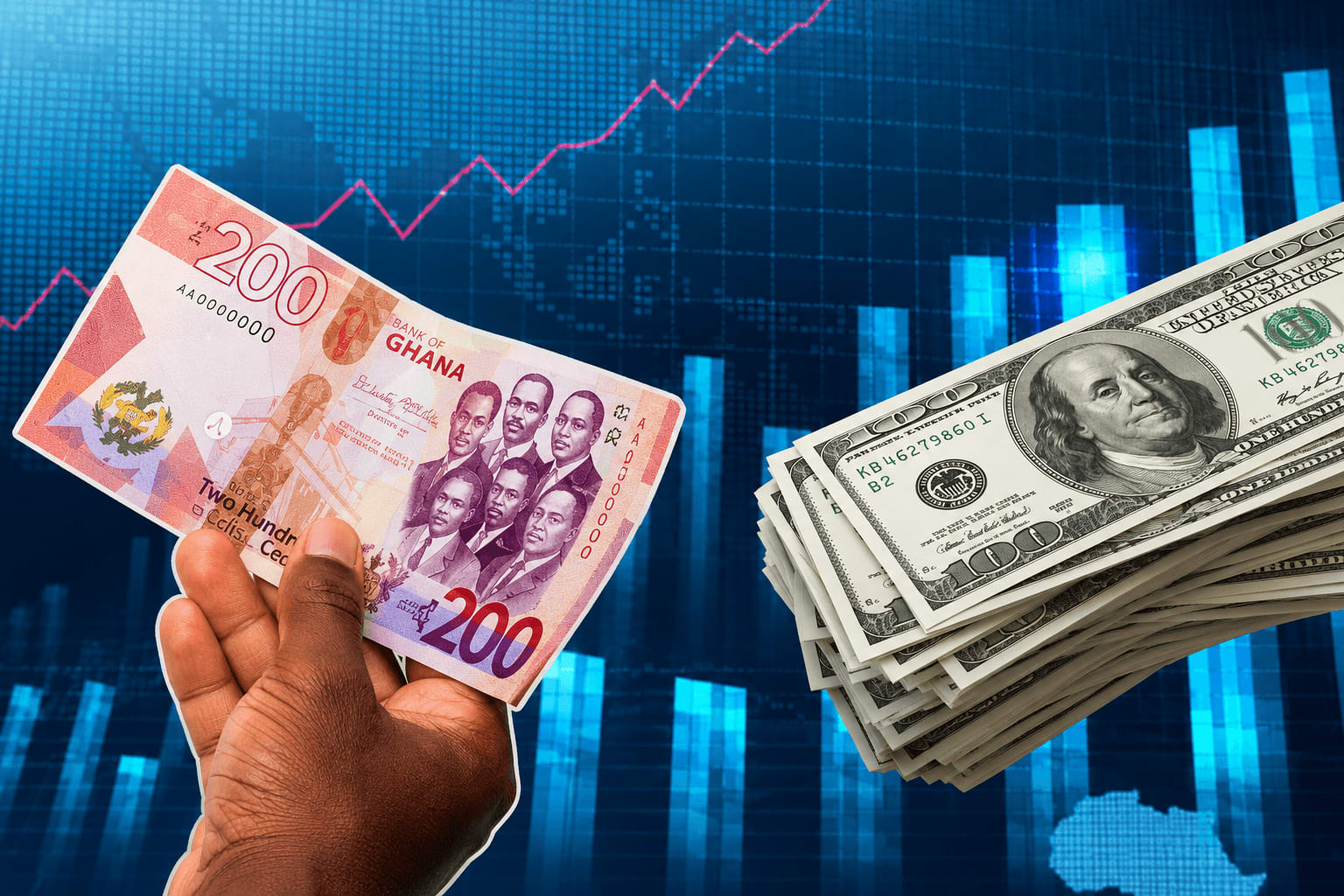
Speaking at the 2026 West Africa Rice Investment Roundtable in Accra, Mr. Ampem disclosed that countries across the sub-region spend between US$3 billion and US$4 billion annually importing rice to meet domestic demand.
He described the situation as both economically unsustainable and strategically risky, arguing that West Africa possesses the resources needed to significantly increase local production and reduce dependence on foreign markets.
“That is billions in foreign exchange leaving our economies each year to finance demand we should increasingly be meeting ourselves.
"Therefore, the real Jollof competition before us is not whose rice tastes better. It is whether West Africa can finally produce enough rice to feed itself competitively.” - Deputy Minister for Finance
Import Dependence Threatens Economic Growth
According to the Deputy Minister, the widening gap between local production and consumption places enormous pressure on economies throughout the region.
He noted that excessive rice imports weaken domestic agricultural value chains, expose countries to external supply disruptions, and reduce opportunities for employment and wealth creation within the sector.
“It drains scarce foreign exchange, weakens domestic value chains, exposes our countries to external supply shocks, and limits the jobs and prosperity that should arise from a commodity we consume so heavily.” Deputy Minister for Finance
Mr. Ampem stressed that the region is not constrained by a lack of agricultural potential. Rather, the challenge lies in mobilising the level of investment required to unlock that potential on a large scale.
“We know that West Africa is not short of potential in rice production. We have the land. We have the water resources. We have the farmers. What we have lacked, for far too long, is sufficient transformational capital capable of unlocking this potential at scale.” - Deputy Minister for Finance
Call for Transformational Investment
The Deputy Minister called for long-term, patient capital to support irrigation, storage facilities, milling operations, logistics networks, and rice processing plants across the region.
He argued that strategic investments should focus on building an integrated West African rice economy rather than fragmented national markets.
According to him, transformational financing would improve farmers’ livelihoods, attract private investors, and strengthen food security across the sub-region.
The West Africa Rice Investment Roundtable, organised by the ECOWAS Commission on June 2, brought together representatives from ECOWAS member states, financial institutions, development partners, private sector leaders, and investors to explore strategies for expanding rice production and reducing import dependence.
READ ALSO: FIFA to Provide Ghana $2.5 Million for Black Stars’ 2026 World Cup Preparations