Ghana’s labour productivity increased by 178% between 1991 and 2025, but workers’ earnings have not kept pace with the rise in economic output, according to the Ghana Statistical Service.
The 2026 Productivity, Employment and Growth Report shows that the average worker produced GH¢15,197 worth of economic output in 2025, compared with about GH¢5,000 in 1991.
Average earnings, however, stood at GH¢9,388 in 2025 and remained below their 2019 level.
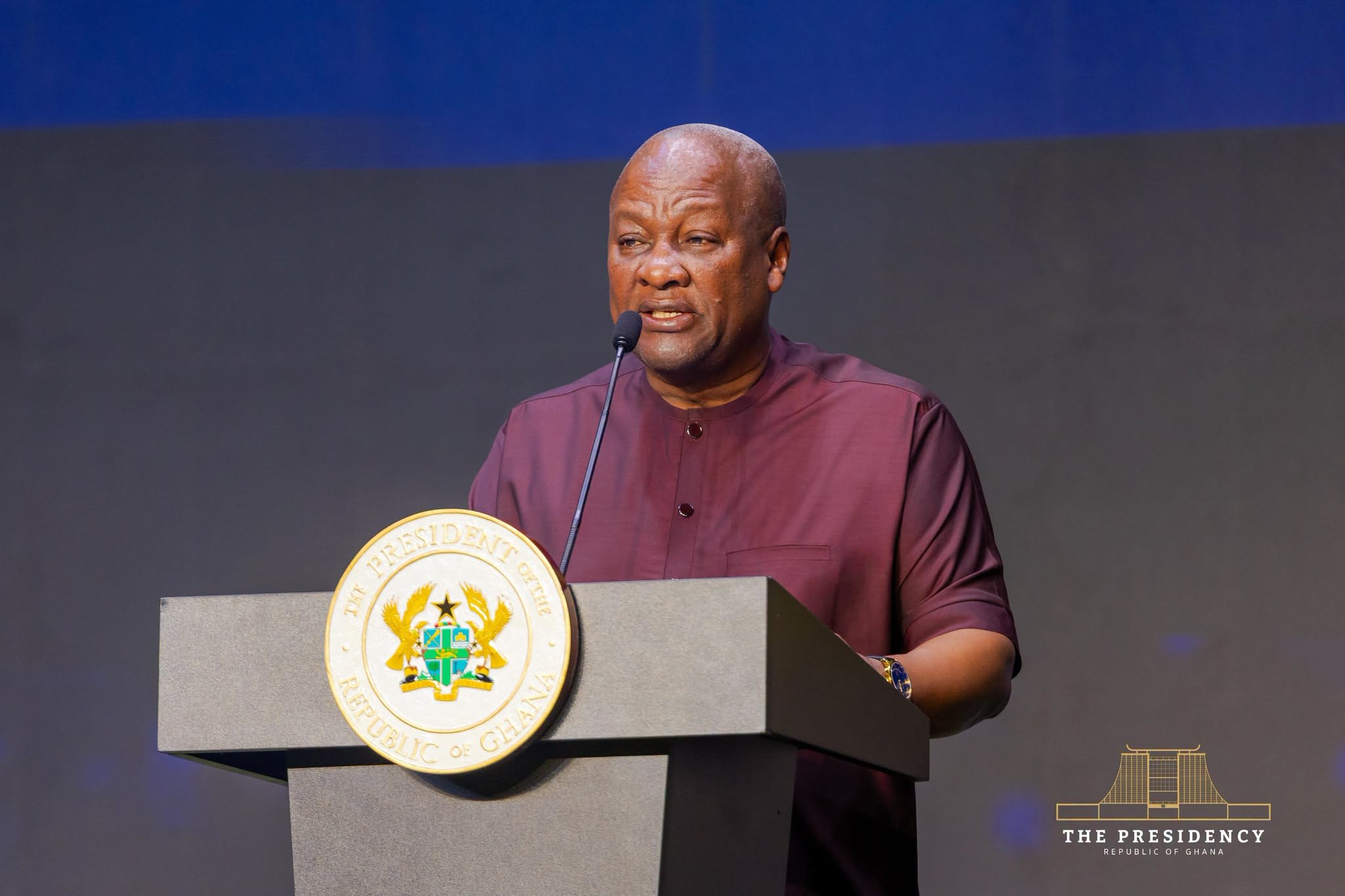
Government Statistician Dr Alhassan Iddrisu said the figures showed strong productivity growth but also exposed a widening gap between what workers produce and what they earn. “Pay has not kept pace,” he said.
Productivity gains must reach workers
Dr Iddrisu said sustained productivity growth was necessary if Ghana wanted to improve wages over the long term.
“No country can raise wages for long without it,” he said.
He identified industrialisation, skills development, digitalisation, the 24-hour economy and the African Continental Free Trade Area as areas where productivity would shape Ghana’s competitiveness.
“If Ghanaian products are to win in Africa, especially in Africa’s market within the AfCFTA, Ghanaian firms and workers must be productive. That’s a necessity,” he said.
Capital growth remains limited
The report also found that productive capital available to workers has grown slowly.
Equipment per worker increased by only about 1% annually over the period, suggesting that future productivity gains may have to come increasingly from better use of existing resources.
“Our next gains must come from using what we have better,” Dr Iddrisu said.
Ghana’s economy expanded by 6% in 2025, while income per person reached US$3,385.
The report suggests that the next challenge is ensuring that stronger output and economic growth translate into better earnings and improved working conditions for Ghanaian workers.
READ ALSO: Parliament’s Committee on Public Administration and State Interest Targets State Entity Efficiency