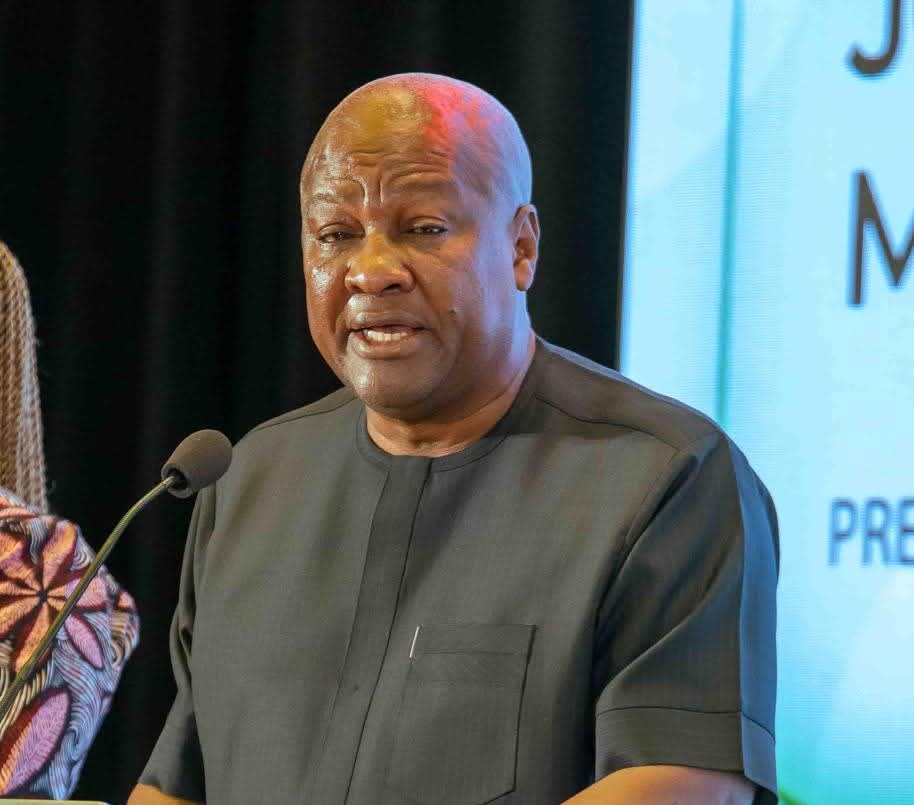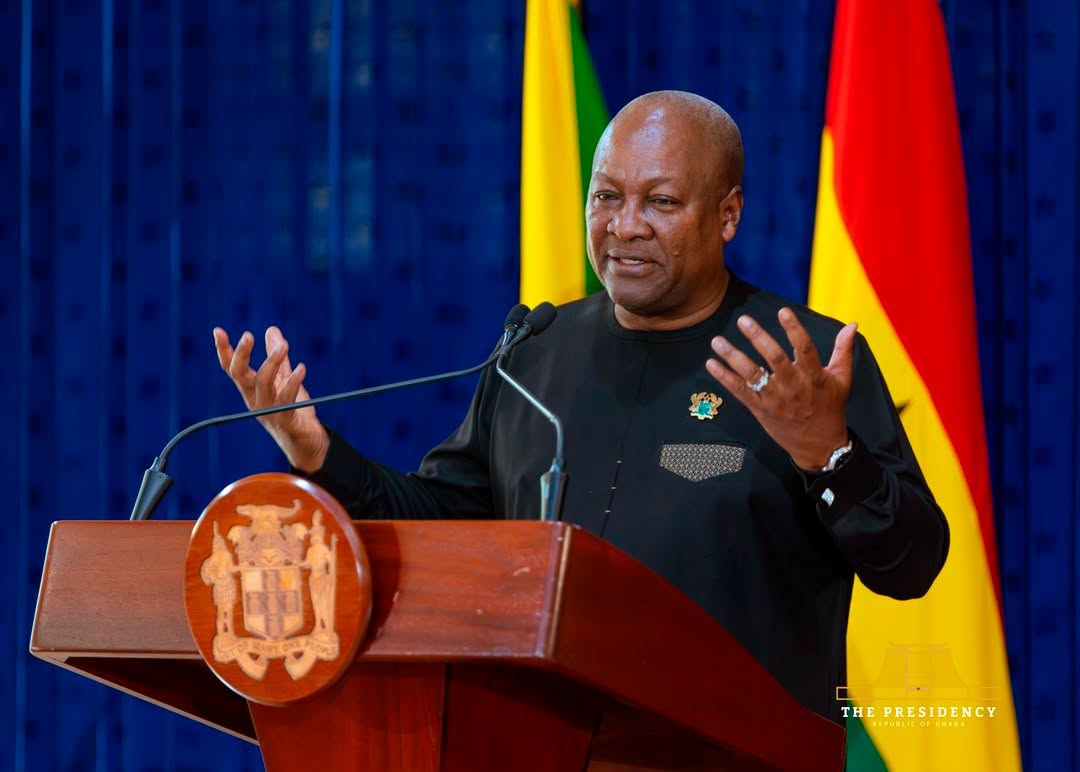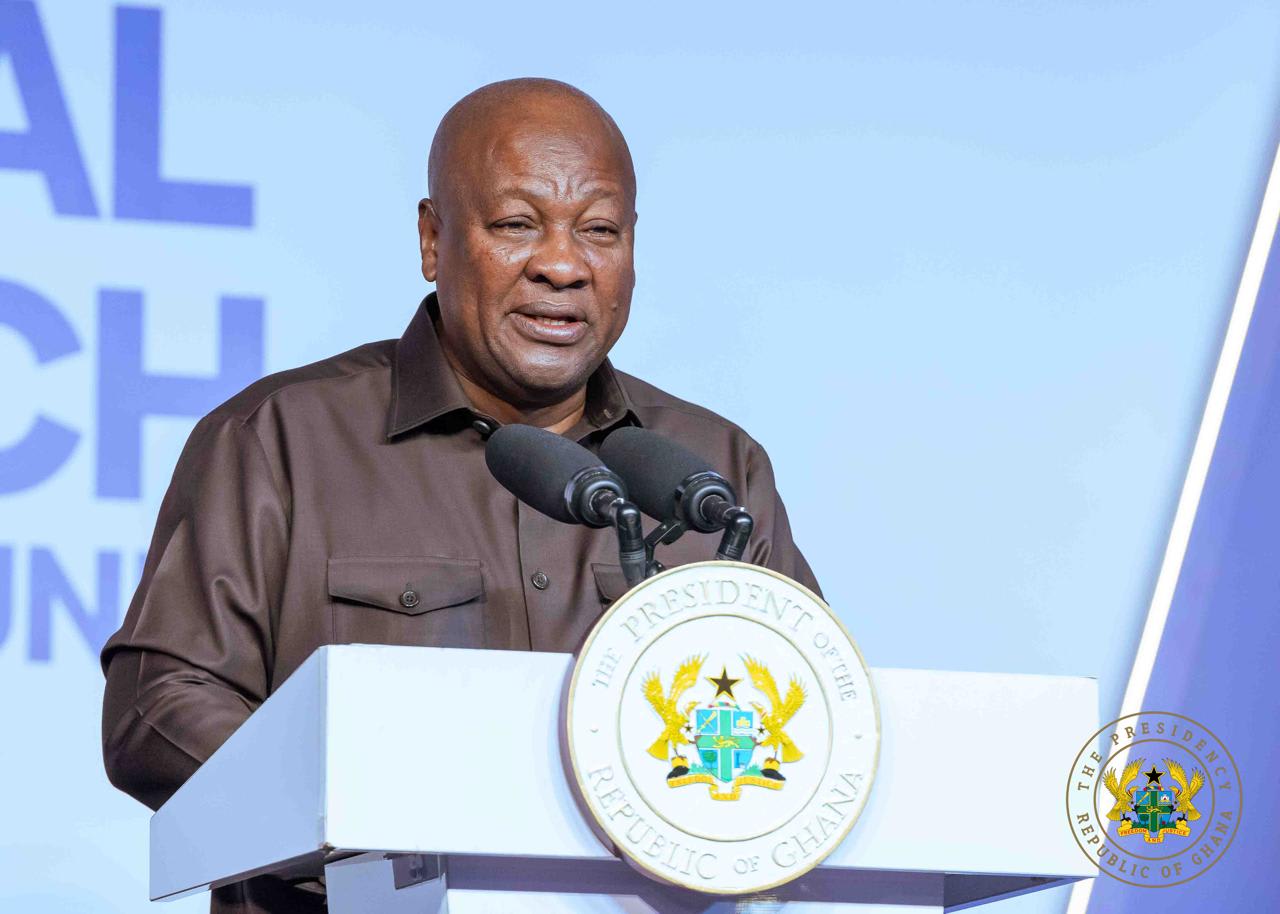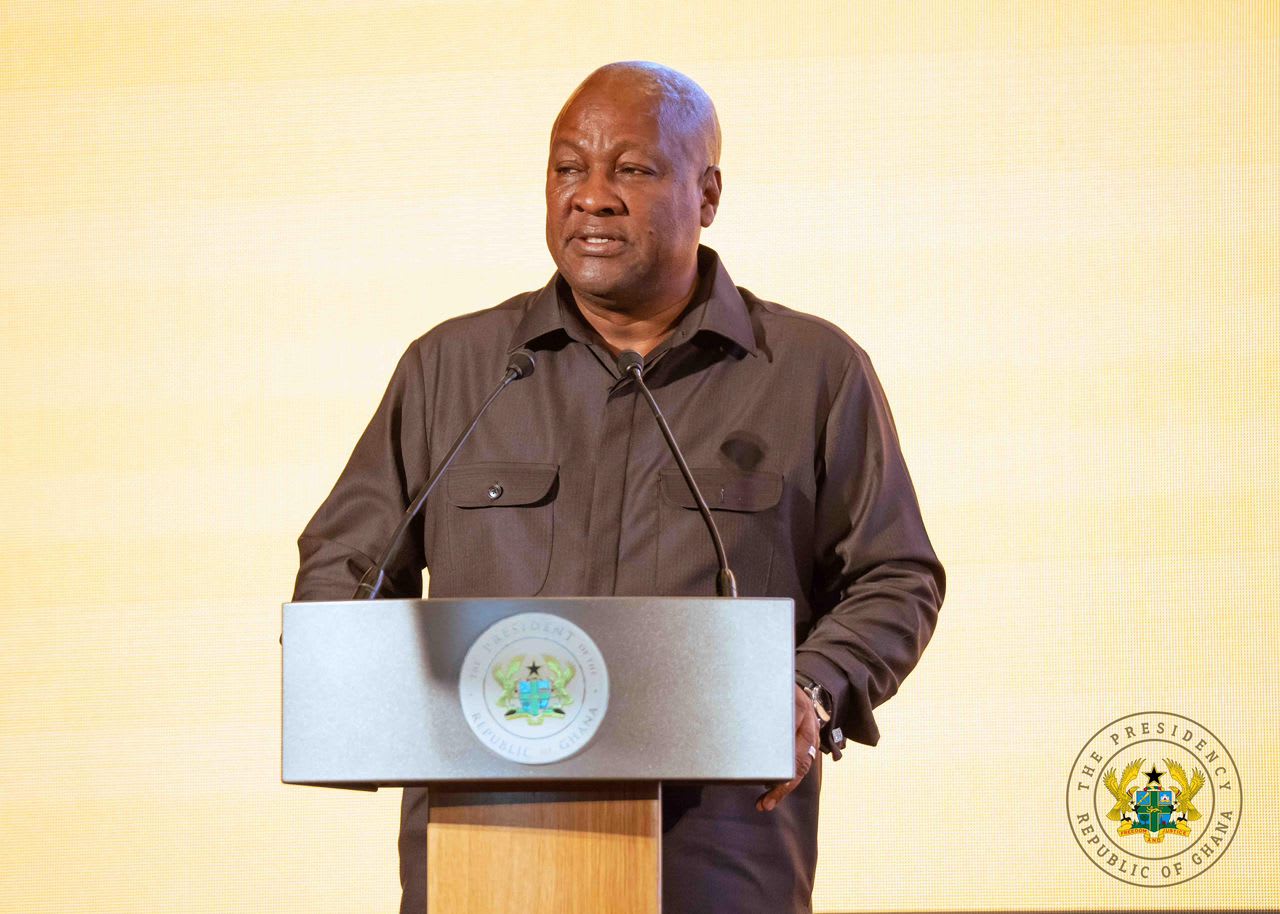
President John Dramani Mahama has assented to the Legal Education Act, 2026, introducing sweeping reforms to Ghana’s legal education system and effectively ending the long-standing centralised professional legal training structure that has dominated the sector for decades.
The signing ceremony took place on Monday, May 11, in the presence of senior government officials and key stakeholders involved in the reform process.
Among those present was Rockson-Nelson Dafeamekpor, the Majority Whip and Member of Parliament for South Dayi, who has been one of the leading advocates for reforms within Ghana’s legal education system.
Confirming the development after the ceremony, Mr Dafeamekpor described the assent as the culmination of an eight-year campaign aimed at expanding access to professional legal education.
“It gives me the greatest pleasure to inform you that, just now, I joined the Clerk, the AG, the Chief of Staff, the Finance Minister, Dr Valerie Sawyerr, Hon Marietta Brew to witness His Excellency John Dramani Mahama give his assent to the new Legal Education Act, 2026.” - Hon. Dafeamekpor
Expanded Access for Law Graduates
For years, Ghana’s professional legal education system has faced criticism over limited admission spaces, infrastructure constraints and the highly competitive entrance process into the Ghana School of Law.
The issue sparked sustained protests and advocacy from law students, academics and civil society groups who argued that the system restricted access for qualified graduates.
According to Mr Dafeamekpor, the new legislation directly addresses those concerns while preserving academic standards.
“This watershed legislation widens the opportunity for many to have access to professional legal education in Ghana unlike before.
"What is critical to note is that standards have been tightened under this new law, ensuring that quality is not sacrificed.” - Hon. Dafeamekpor
He further disclosed that implementation measures are already being developed by the Attorney General’s office to facilitate a smooth transition to the new framework.
Major Structural Reforms Introduced
One of the most significant changes under the Legal Education Act, 2026 is the establishment of the Council for Legal Education and Training, which replaces the role previously played by the General Legal Council in supervising professional legal education.
The new body will oversee accreditation, curriculum development, quality assurance and regulation of institutions authorised to provide legal training.
The legislation also decentralises professional legal education by allowing accredited universities to offer the Law Practice Training Course, ending the previous model where all students were required to pass through the Ghana School of Law.
Another major reform is the replacement of the traditional entrance examination system with a standardised National Bar Examination to be taken after completion of professional training.
Reports linked to the implementation framework suggest that the duration of professional legal training may be streamlined to one year, with increased emphasis on practical legal education, technology and artificial intelligence literacy.
The law additionally introduces inclusion measures aimed at improving access for underrepresented groups, including persons living with disabilities.
READ ALSO: GoldBod Targets $400 Million Weekly Gold Purchases to Boost Ghana’s Reserves