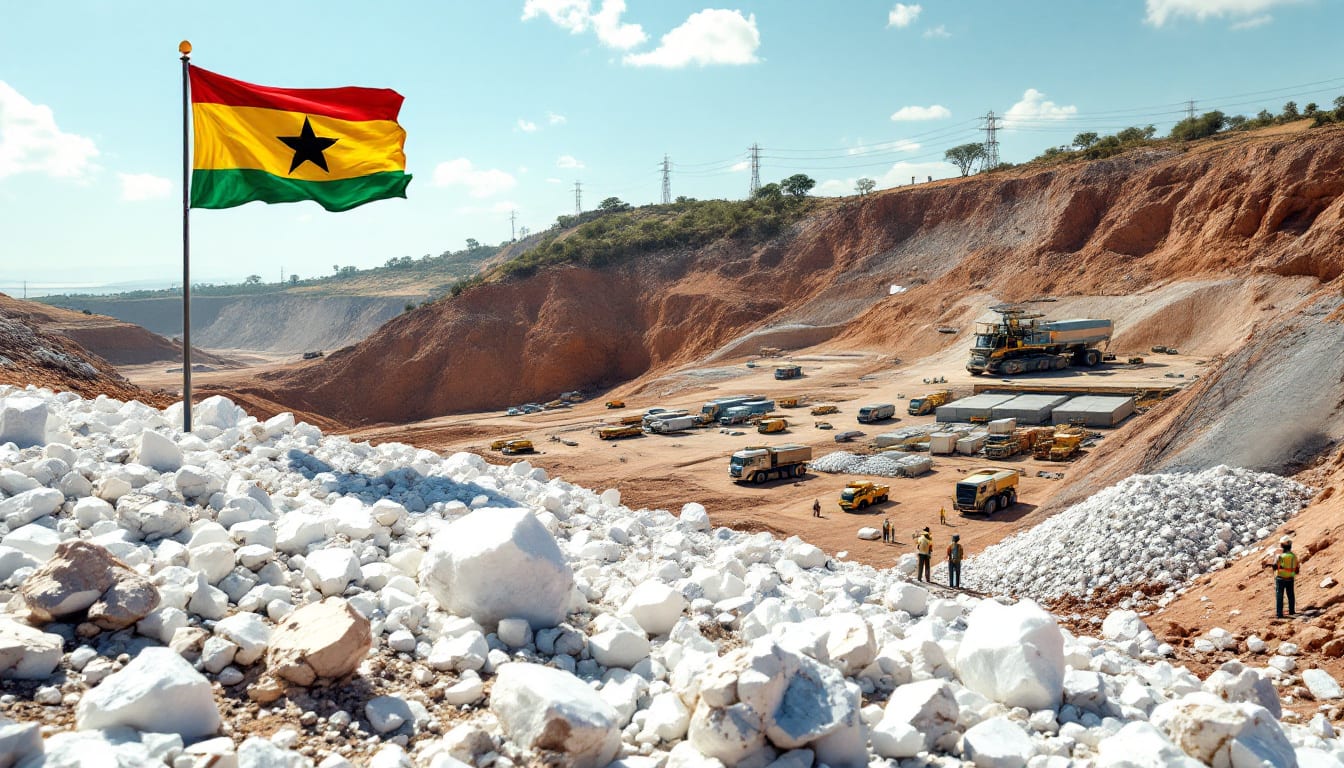
Ghana’s mining sector generated a substantial GH¢24.22 billion in state receipts in 2025, prompting energy think tank ACEP to demand the immediate establishment of a transparent tracking system to explicitly link mineral revenues to tangible public infrastructure and local development outcomes.
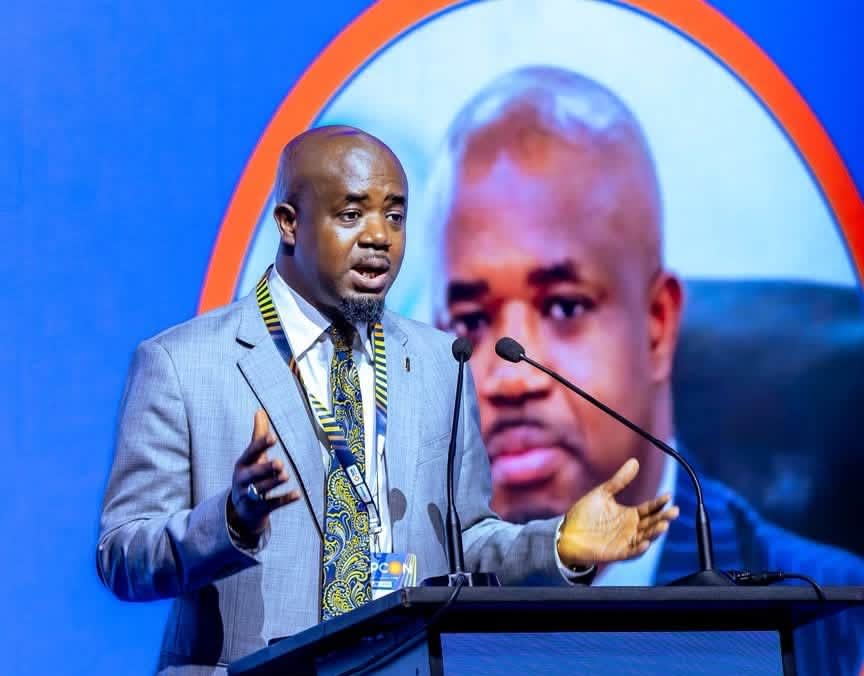
Maybel Acquaye, Policy Lead for Minerals and Mining Policy at the Africa Centre for Energy Policy, says Ghana needs a rules-based system that tracks mineral income from collection through allocation, spending and the results eventually delivered.
She was speaking at a technical stakeholder engagement on the development of a mineral revenue management framework.
Mining receipts stood at roughly GH¢5.5 billion to GH¢6 billion in 2020. Within five years, the figure had increased several times over.
“It’s beyond just the numbers. The key thing is the development impact that the revenues we receive can contribute to,” Ms Acquaye said.
Revenue disappears into wider budget
Mineral income reaches the state through corporate taxes, royalties, dividends, withholding taxes, ground rents, fees and other payments.
That mix is spread across several institutions and laws, making the sector’s total fiscal contribution difficult to assemble and follow.
The trail becomes thinner once receipts enter the Consolidated Fund. At that point, mineral revenue mixes with income from other sources and loses its identity within the broader national budget.
“You will not be able to tell the portion of the mineral revenue that was used for this,” Ms Acquaye said.
ACEP wants reporting that distinguishes between money allocated in a budget, the amount actually released and what was eventually spent.
A large allocation may look impressive when announced. It says little about whether the project was completed or solved the problem it was meant to address.
Petroleum framework offers a contrast
Ghana’s petroleum revenue system provides a useful reference.
Reconciliation reports from the Ministry of Finance and oversight by the Public Interest and Accountability Committee allow the public to follow petroleum receipts, allocations and expenditure with greater clarity.
No comparable arrangement provides the same level of visibility for mineral revenues, despite mining’s long history and growing fiscal importance.
Ms Acquaye said a mineral framework should go further than accounting. It must measure outcomes.
A school building cannot be judged only by its construction cost, for example. If basic facilities are missing and students cannot use it properly, the spending has not delivered its full purpose.
Mining communities need visible benefits
The argument carries particular weight in communities living with polluted water, damaged land and disruption caused by mining.
Although the Minerals Development Fund directs part of mineral royalties towards development, headline percentages do not always show how much money finally reaches affected communities after distribution among institutions and other beneficiaries.
Artisanal and small-scale mining presents another gap. The sector’s gold output has increased, yet the state still struggles to determine its precise fiscal contribution.
ACEP wants the Ghana Gold Board’s formalisation and trading activities linked more closely to tax and royalty collection.
Minerals are finite. Ghana’s current revenue growth will matter much less if it leaves behind weak institutions, damaged communities and few productive assets.
READ ALSO: Mahama Sets 14-Day Ultimatum for Inter-Agency Security Overhaul