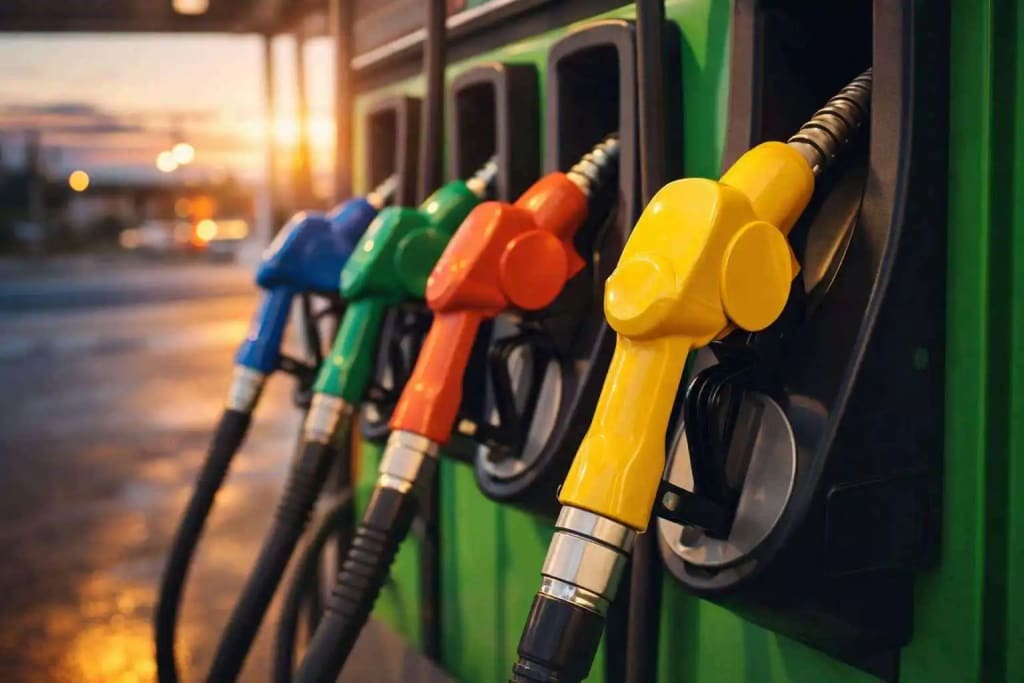
Ghana’s fuel market is heading into the first pricing window of June 2026 with mixed adjustments that will see motorists and households face higher minimum prices for petrol and LPG while diesel users receive a modest reduction.
The latest review by the National Petroleum Authority (NPA) increased the petrol price floor to GH¢15.20 per litre from GH¢14.60 recorded in the second pricing window of May, representing an increase of 60 pesewas per litre.
The upward adjustment means Oil Marketing Companies (OMCs) are expected to align retail pricing decisions within the approved minimum threshold as the new window takes effect.
LPG consumers will also experience higher costs, with the product’s price floor rising to GH¢13.48 per kilogram from GH¢13.16. The increase is expected to add pressure to households and commercial users who rely heavily on cooking gas for daily operations.
Diesel Offers Modest Relief
While petrol and LPG prices moved upward, diesel recorded a marginal decline.
The diesel price floor has been reduced to GH¢15.49 per litre, down from GH¢15.81 in the previous pricing window, representing a decrease of 32 pesewas per litre.
Although the reduction remains relatively small, it could provide some breathing room for transport operators, logistics firms, haulage companies and businesses that depend significantly on diesel-powered operations.
The NPA attributed the adjustments to prevailing international petroleum market conditions and its Petroleum Products Pricing Guidelines, which require marketers to comply with approved minimum selling prices during each pricing cycle.
The latest review continues a period of volatility in Ghana’s downstream petroleum market, where fuel pricing has increasingly reflected movements in international markets, exchange rate pressures and domestic policy interventions.
For households, the increase in LPG prices is likely to keep cooking fuel costs elevated at a time when consumers remain sensitive to energy-related expenses. Businesses using petrol-powered vehicles and equipment may also experience added operational pressure.
At the same time, sectors reliant on diesel could benefit if Oil Marketing Companies fully transmit the lower floor pricing into pump prices.
Stability Versus Competition Debate Returns
The adjustments have once again revived discussion around Ghana’s fuel price floor mechanism, introduced to bring greater order to petroleum pricing.
Regulators argue that the framework helps maintain market discipline, protects margins and supports supply reliability.
However, critics contend that minimum pricing can limit competition and reduce opportunities for consumers to benefit from lower prices during favourable market conditions.
As the June pricing window opens, attention will shift to how individual marketers implement the new floors and whether consumers ultimately experience relief or continued pressure at the pump.
READ ALSO: Mahama Pushes Business Reforms to Drive Ghana’s Economic Growth