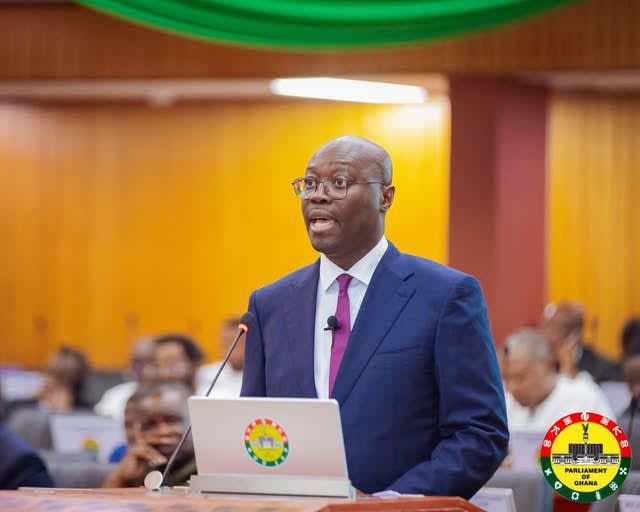
Government plans to merge the Minerals Income Investment Fund and the Ghana Infrastructure Investment Fund to create a Ghana Sovereign Wealth Fund, as it seeks to bring public investment resources under a more coordinated structure.
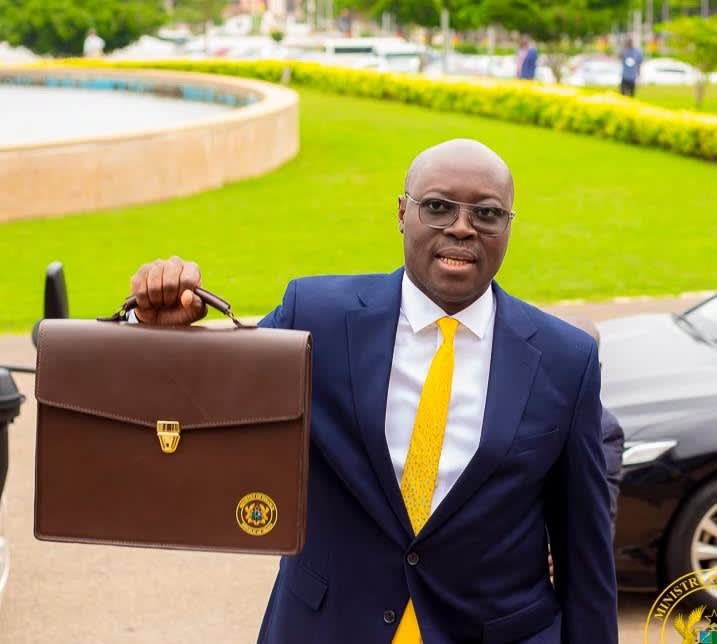
Finance Minister Dr Cassiel Ato Forson announced the plan while presenting the 2027 Budget Statement and Economic Policy to Parliament on Thursday, November 12.
The proposed fund will combine the investment roles of MIIF and GIIF, with government expecting it to improve investment planning, generate stronger returns and provide financing for major development projects.
Government targets fragmented investment structure
Dr Forson told Parliament that Ghana’s mineral revenues and public assets could support long-term development, but argued that the current arrangement of investment institutions limits coordination.
“Our mineral wealth and public assets can be the foundation of lasting prosperity. Yet our investment arrangements are scattered, weakening coordination and long-term planning,” he said.
“Government will therefore merge the Minerals Income Investment Fund and the Ghana Infrastructure Investment Fund to create the Ghana Sovereign Wealth Fund.” - Ato Forson
The Finance Minister said the new institution would strengthen the process of identifying, developing and financing viable investments.
“The Fund will improve investment origination and coordination, increase returns and finance transformative projects,” he stated.
Fund to back 24-Hour Economy projects
The Ghana Sovereign Wealth Fund is also expected to play an equity financing role under the government’s 24-Hour Economy and Accelerated Export Development Programme.
Dr Forson described the programme as private sector-led, with government seeking to use public investment institutions to help unlock larger volumes of private capital.
Under the proposed arrangement, the sovereign wealth fund would be able to participate as an equity partner in selected projects rather than relying entirely on conventional government financing.
Government expects the structure to improve the development of bankable projects while attracting private investors into sectors covered by the broader New Economy programme.
The merger will effectively bring two major state investment vehicles under a single sovereign investment framework focused on long-term returns and development financing.