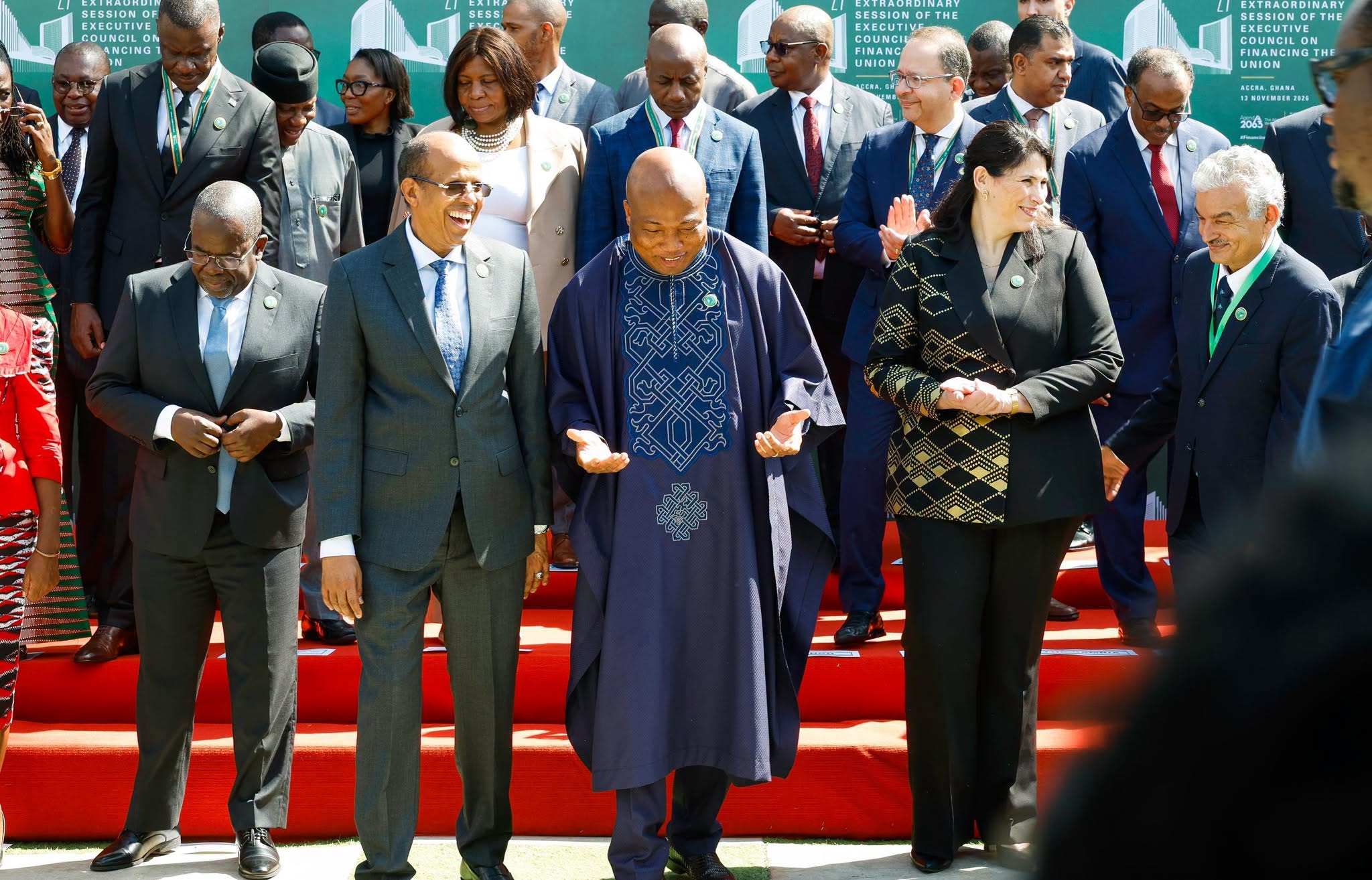
Ghana has called for a major reset in African Union financing, warning that the continental body cannot pursue ambitious programmes while depending heavily on external partners to pay for much of its work.
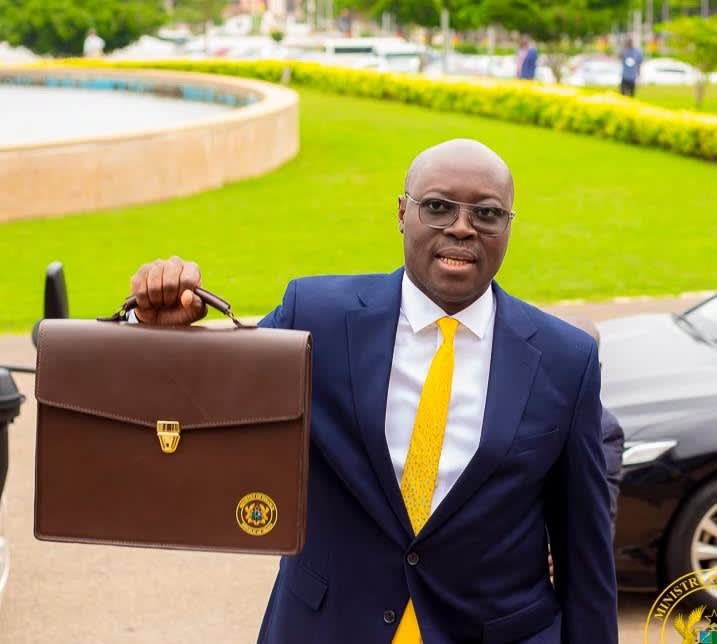
Foreign Affairs Minister Samuel Okudzeto Ablakwa said the AU’s current funding structure leaves a sharp gap between the resources member states provide for administrative costs and the money available for programmes and peace and security.
Speaking at the Extraordinary Session of the Executive Council on Financing the African Union in Accra, Mr Ablakwa said member states are projected to finance nearly 99 percent of the Union’s operational budget in 2027.
The picture changes considerably when programme spending is considered.
Member states finance barely four percent of the AU programme budget and about 12 percent of its peace and security expenditure, according to figures presented by the minister.
“Put plainly: we pay for the lights, but we ask others to pay for the work,” he said.
Only 18 states implementing AU levy
Ghana wants the AU to revisit commitments already made by member states rather than develop another financing arrangement that struggles with implementation.
Mr Ablakwa said only 18 of the AU’s 55 member states have implemented the 0.2 percent levy on eligible imports agreed in 2016 as a predictable source of funding for the Union.
The levy followed an earlier commitment reached in Johannesburg in 2015 for African countries to finance the entire AU operational budget, 75 percent of its programme budget and 25 percent of its peace and security budget.
That target remains unmet.
“I urge every Member State that has not yet implemented the levy to act without delay,” Mr Ablakwa said, adding that Ghana would strengthen implementation at home and report its progress to the Executive Council.
He acknowledged that countries have different economic circumstances and argued that implementation rules should reflect those differences.
Ghana is also calling for clear rules on collection, allocation and compliance, alongside a review of the US$200 million contribution cap and the declining real value of member-state contributions.
“We cannot expect our Union to take on increasing responsibilities while operating with progressively fewer resources,” the minister said.
AU faces staffing and funding pressure
The financing concerns go beyond individual programmes.
Mr Ablakwa said the vacancy rate across more than 3,000 approved AU positions stands at 63 percent, while the gap between the approved staffing structure and the budget available to support it exceeds US$200 million.
He argued that those numbers translate directly into institutional weaknesses, including unfilled positions, underfunded peace operations and programmes that cannot be fully implemented.
Ghana is backing what the AU documents describe as Option C, an integrated reform pathway that combines greater financial autonomy with institutional reform.
Under the approach, additional financing would be accompanied by tighter expenditure management.
Mr Ablakwa called for overlapping programmes to be phased out, duplication reduced and a unified programme-based budget introduced.
Ghana also wants the AU to adopt a medium-term expenditure framework and a principle of one programme for each budget line.
Peace Fund must receive stronger backing
Peace financing is another area Ghana wants treated differently.
Mr Ablakwa said African governments must invest more in early-warning systems, preventive diplomacy and mediation rather than waiting until conflicts require more expensive intervention.
Ghana supports increasing the endowment target for the AU Peace Fund beyond its previous US$400 million level, backed by a replenishment mechanism and more diversified financing.
The government is also calling for faster implementation of United Nations Security Council Resolution 2719, which provides a framework for more predictable financing of African-led peace support operations.
For Ghana, the argument is ultimately about the credibility of the Union itself.
“Africa’s priorities continue to be financed by others,” Mr Ablakwa said, describing the situation as one the continent must change.
He said Africa’s next phase of integration will depend not only on the policies member states adopt but on whether they are prepared to finance the institutions expected to implement them.