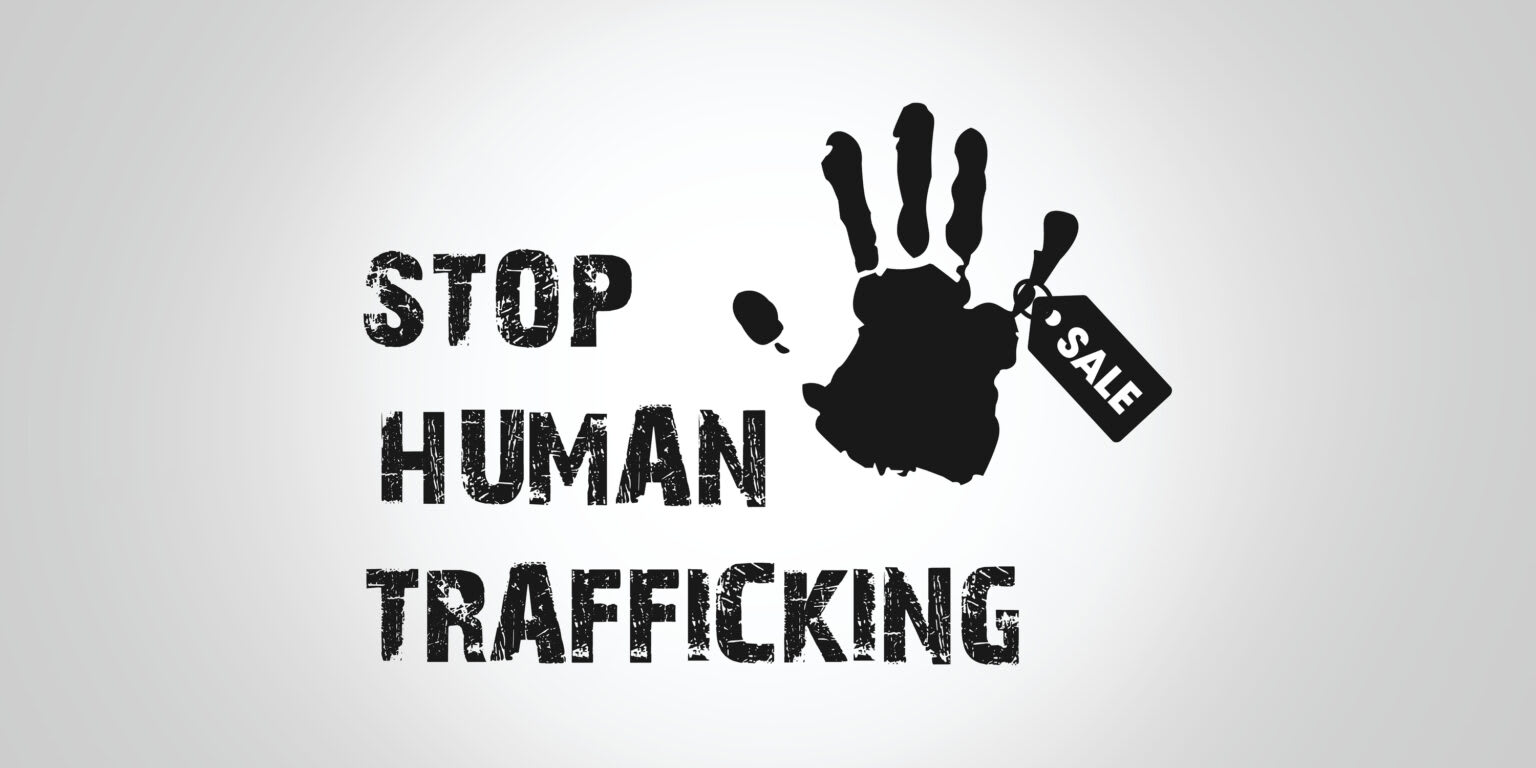
Ghana has been upgraded to Tier 1 in the 2026 Trafficking in Persons Report, with the assessment concluding that government now fully meets the minimum standards for eliminating human trafficking.
The report credits Ghana with increasing prosecutions and convictions, identifying substantially more trafficking victims and stepping up cooperation with foreign governments against online scam operations linked to forced labour.
The move marks an improvement from Ghana’s Tier 2 placement in previous reports.
Authorities investigated 222 trafficking cases in 2025, comprising 83 sex trafficking cases, 132 forced labour cases and seven cases involving unspecified forms of trafficking.
Prosecutors pursued 212 alleged traffickers, compared with 65 in 2024, while 28 traffickers were convicted. Fourteen convictions involved sex trafficking and another 14 involved labour trafficking.
Most convicted traffickers received prison sentences of at least one year, according to the report.
Victim Identification Rises Sharply
A major part of Ghana’s improved assessment came from the increase in victims identified and referred for assistance.
Government identified 2,331 trafficking victims during the reporting period, almost three times the 794 recorded in 2024.
Of the total, 492 were victims of sex trafficking, 1,302 were labour trafficking victims and 537 were exploited through unspecified forms of trafficking.
The victims included 862 Ghanaians and 1,469 foreign nationals.
Nigerians formed the largest group of foreign victims, with 896 identified. Others came from Côte d’Ivoire, Burkina Faso, Cameroon, Togo, Senegal, Niger and Benin.
Ghana also identified 567 citizens who had been trafficked abroad and funded their voluntary repatriation.
Authorities screened another 2,837 returning migrants for indicators of trafficking.
International Operations Target Online Scams
The report also highlighted Ghana’s growing response to trafficking connected to cybercrime and fraudulent recruitment.
Ghanaian authorities cooperated with INTERPOL and foreign governments in operations that resulted in 756 foreign trafficking victims being identified and repatriated.
The country also signed a memorandum of understanding with e-commerce company QNET aimed at identifying and dismantling online scam operations involving fraudulent recruitment and forced labour.
Police, Immigration and the Economic and Organised Crime Office continue to operate specialised anti-trafficking units, while marine police patrol Lake Volta to identify suspected child labour and trafficking cases.
Eighteen courts now have specialised procedures, training and trauma-informed facilities for cases involving women and children, including trafficking cases.
Tier 1 Does Not Mean Problem Is Solved
The report makes clear, however, that Ghana’s new ranking does not signal the end of trafficking concerns.
Shelter capacity remains limited, especially for adult victims. Some law enforcement officers have reportedly used personal funds to provide temporary assistance where formal services were unavailable.
The report also identified knowledge gaps caused by high police turnover and limited specialised equipment for investigating trafficking-related cybercrime.
Another unresolved issue is recruitment fees. Ghanaian law still does not prohibit workers from being charged recruitment fees, even though authorities discourage licensed agencies from doing so.
The government also reported no investigations, prosecutions or convictions of public officials allegedly involved in trafficking offences during the period.
Ghana’s Tier 1 status therefore reflects progress in meeting minimum standards, while leaving significant work around victim accommodation, recruitment practices and specialised cybercrime enforcement.
READ ALSO: Ato Forson Urges MMDCEs to Recover and Protect Every Cedi