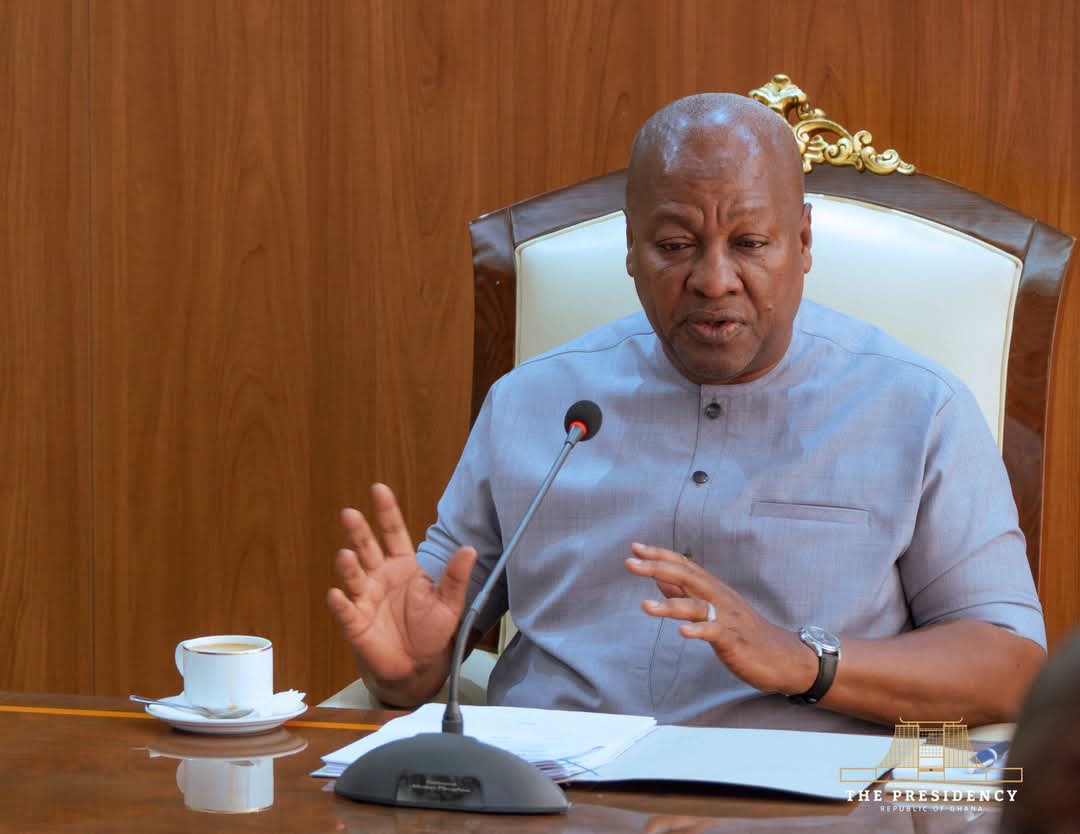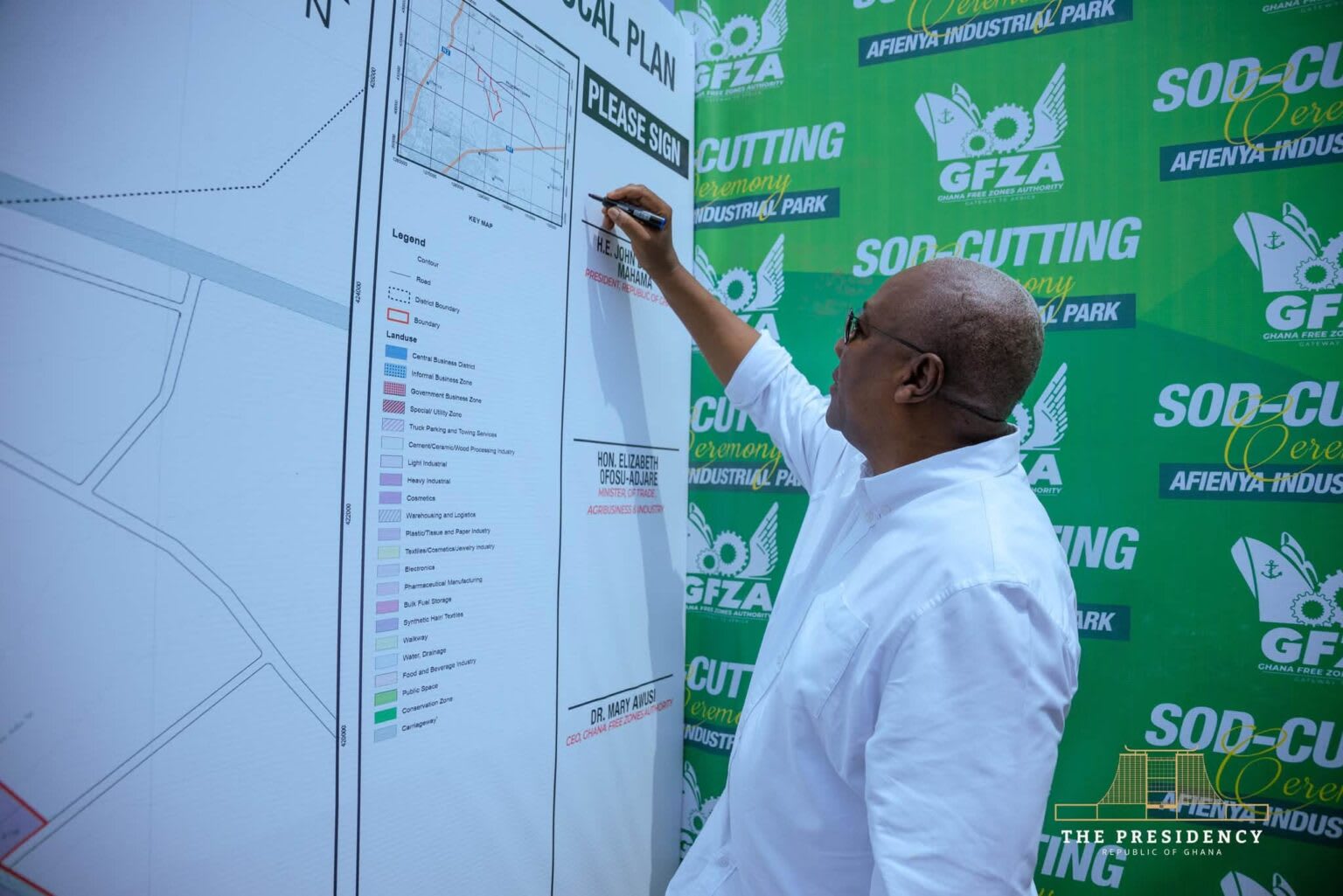
President John Dramani Mahama has announced a $10 billion New Economy Programme designed to expand production and create jobs across Ghana over the next four years.
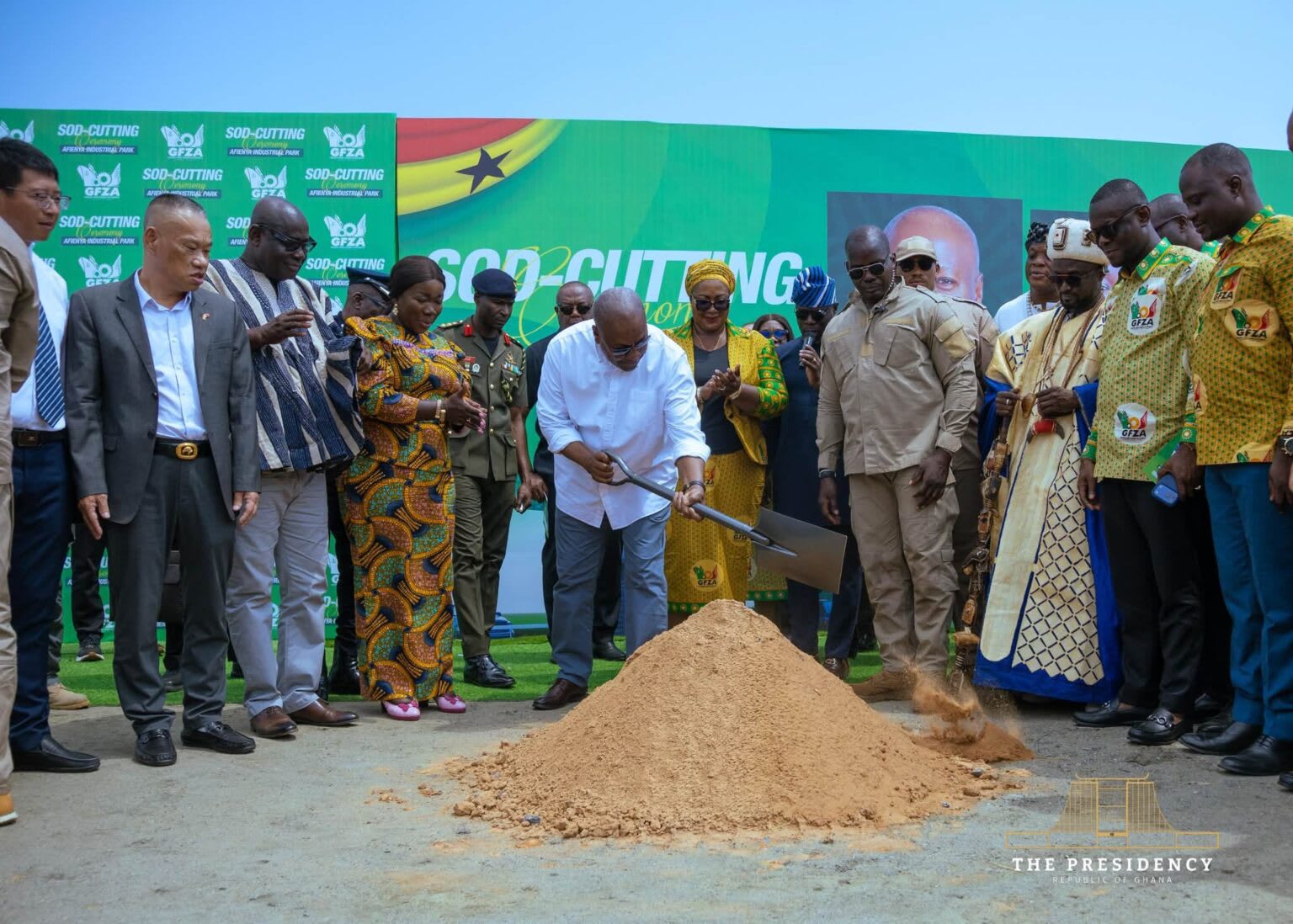
He made the announcement at the groundbreaking for the Afienya Industrial Park in Greater Accra on Thursday, October 15, 2026, tying the new investment plan directly to the industrial site taking shape behind him.
Half the funding is earmarked for agriculture and agro-processing, with the remainder supporting industry and the infrastructure that connects producers to markets.
"The New Economy Programme will be a $10 billion programme over four years.
"And it means that we are going to invest $2 billion every year for four years into the most productive sectors of the economy that will create jobs." - President Mahama
The aim, as he framed it, is simple enough on paper: raise production, cut import dependence, and push exports further.
Mahama linked the announcement to the macroeconomic gains his government has posted so far. "Stable currency and lower inflation is attracting more interest in the Ghanaian economy," he said, promising continued work to lock in that stability.
But he was quick to add that steady numbers don't put food on anyone's table. The next job, he argued, is to "turn that progress into greater production, into higher incomes and to decent and sustainable jobs."
Sectors in Line for Investment
Touring factories later in the day, Mahama widened the list of sectors expected to benefit, naming agriculture and irrigation, agro-processing, enclaves, pharmaceutical enclaves, renewable energy and tourism among the priorities.
He said government funding will flow into "sectors that are rich with job creation," with young people positioned as the main beneficiaries.
He also promised momentum will pick up once the programme formally launches next year, telling the crowd "next year things are going to get even faster."
The Finance Minister will present the complete framework to Parliament in the 2027 budget. Mahama was blunt about where the real delivery responsibility sits, though.
"Its success will depend on enterprises that invest, employ our people and turn Ghanaian resources into competitive products," he said, positioning industrial parks like Afienya as the physical groundwork, land, roads and utilities, that businesses need to actually get moving.
Part of the New Economy Programme's financing will go directly into infrastructure at Afienya. Mahama said he had just discussed the park's infrastructure needs with the CEO of the Ghana Free Zones Authority, with roads, water and electricity works set to begin.
The park spans 1,238 acres and is designed to eventually host more than 120 enterprises, with the Ministry of Trade, Agribusiness and Industry steering development alongside the Free Zones Authority and private investors.
A Year of Visible Change
Mahama also toured an industrial complex he had visited a year earlier and said the difference was obvious. He pointed to textile, battery, truck manufacturing and steel fabrication plants now running, along with a factory producing barges for Volta Lake transport.
He credited much of this activity to the 24-hour economy policy, noting young workers now cycle through morning, afternoon and evening shifts.
"It is beginning to show the job creation aspect of it," he said, describing the enthusiasm of young workers in yellow helmets who've found jobs there.
That growth has come with growing pains. Mahama admitted the local substation can no longer keep up with the number of factories drawing power, though he said the Energy Minister has promised a replacement transformer within three weeks so operations can run full shifts without interruption.
On exports, Mahama noted the textile factories he visited already ship their entire output abroad, and he pledged government support in securing licences under the African Continental Free Trade Area so these businesses can reach West Africa and beyond rather than staying confined to the domestic market.
He closed the day by breaking ground on the Afienya site itself, expressing hope that the project would deliver real jobs, strengthen exports, and build investor confidence in the country going forward.
READ ALSO: Oil Prices Fall as Hormuz Risks Meet Supply Relief