The conversation around resource wealth on the continent is shifting from what lies beneath the soil to what happens after it is dug up.
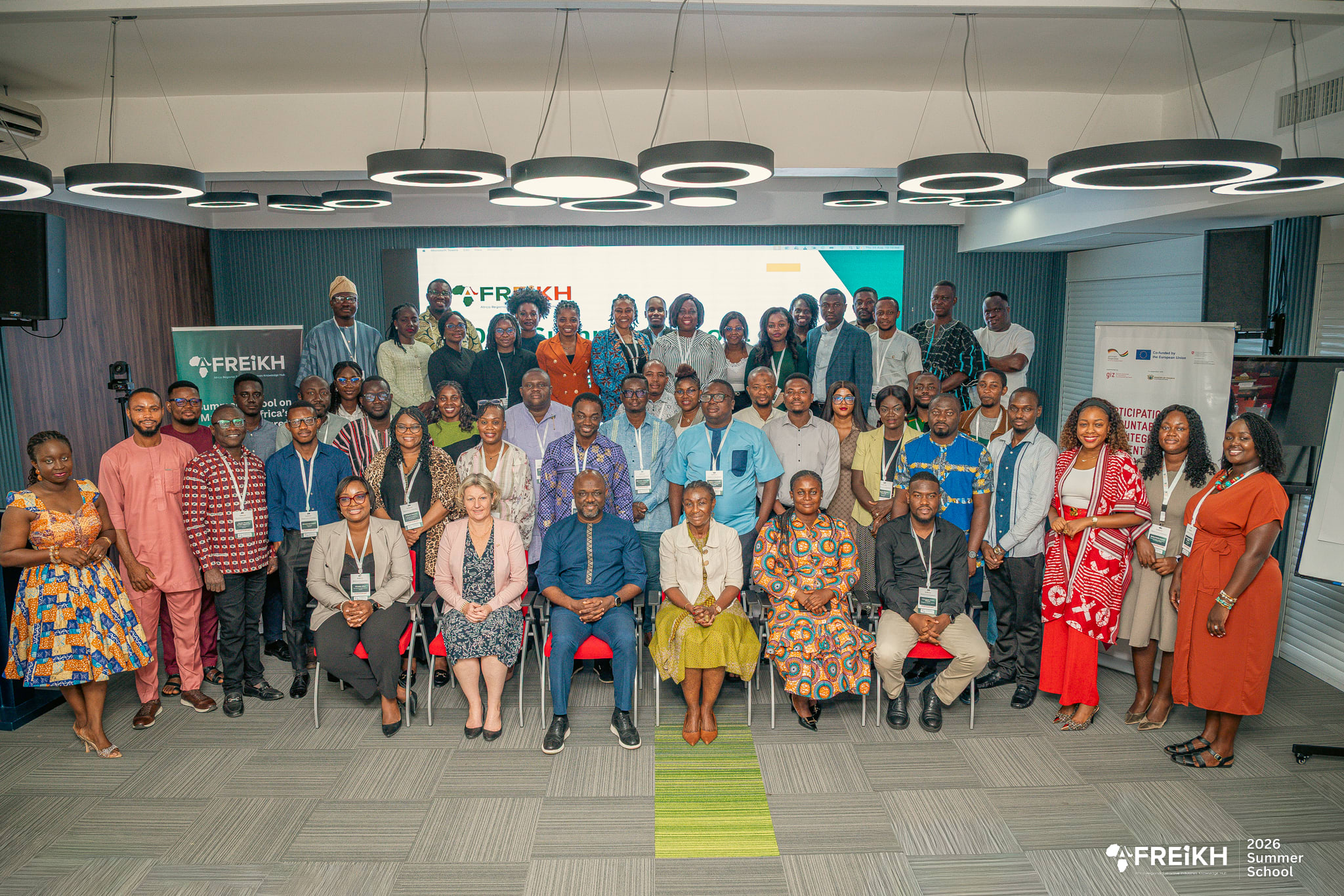
This stark reality set the tone in Accra on Thursday when the 2026 Africa Regional Extractive Industries Knowledge Hub Summer School officially kicked off.
Centred on the theme of Managing Africa’s Extractive Future in the energy transition, the gathering brought together policymakers and experts to confront a stubborn paradox.
The continent holds the very minerals the world desperately needs to go green, yet its people rarely see the economic benefits.
Organized by the Africa Centre for Energy Policy in partnership with the Natural Resource Governance Institute and GIZ, the opening sessions did not shy away from the region's painful history with resource extraction.
Beyond the Export Pit
Benjamin Boakye, Executive Director of the Africa Centre for Energy Policy, painted a blunt picture of the continent's track record.
He pointed out that while Africa has reliably supplied oil, gas and minerals to global markets for decades, the resulting wealth has stubbornly failed to ignite broad economic development.
Oil revenues sparked massive public expectations but delivered little actual transformation. Mining left behind degraded environments and unequal benefits.
Boakye raised an uncomfortable question for the delegates. He challenged them to consider if the current rush for critical minerals will become just another missed opportunity or a genuine turning point for industrialisation.
"The continent possesses many of the resources needed to support the clean energy economy, but having these resources is only the starting point," Boakye noted. "The real challenge is determining what Africa can do with them."
Building Real Capabilities
Echoing that urgency, Nafi Quarshie, the Africa Director at the Natural Resource Governance Institute, warned against repeating the old cycle of simply extracting and exporting raw materials.
She urged African governments to leverage this new commodity boom to build actual productive capacity.
According to Quarshie, retaining a greater share of the value generated from natural resources requires much more than crossing fingers for favourable commodity prices.
It requires serious industrial capabilities. Africa has to figure out how to use this wealth to create sustainable jobs and develop local industries before the green energy window closes.
Magdalena Wüst, Deputy Head of Cooperation at the Embassy of Switzerland, pushed participants to use the platform to challenge conventional resource governance. She told the room to confront past failures head on, demand real accountability and strengthen state institutions.
Wüst summed up the prevailing mood perfectly. The defining question is no longer about what resources Africa has. It is entirely about whether the continent can finally build the capabilities to turn those resources into lasting development.
READ ALSO: Dr Yamson Backs Gold for Reserves Programme to Anchor Ghana's Economic Rebound