The New Patriotic Party’s Energy Policy Committee has asked the government to suspend fuel taxes in Ghana during the current international oil-price shock rather than continue financing consumer relief through suspended petroleum-sector margins.
The party argues that the government can provide similar relief at the pumps while protecting the institutions responsible for storage, distribution, fuel marking and nationwide price equalisation.
Its proposal follows renewed increases in crude oil and refined petroleum prices linked to hostilities involving Iran, Israel and the United States, as well as disruption around the Strait of Hormuz.
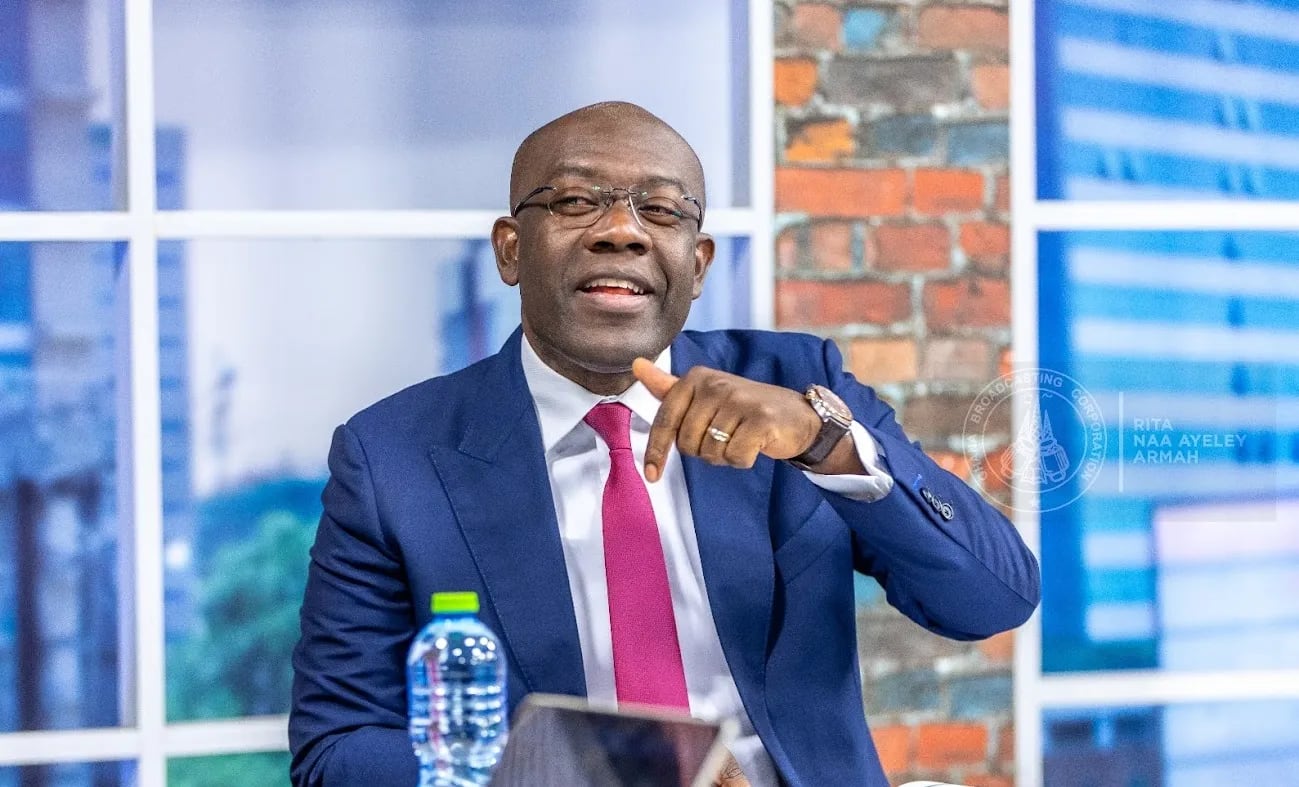
“Restore the margins. Publish the cost. Stop digging the hole. Suspend the taxes,” the committee said in a statement signed by Kojo Oppong Nkrumah.
At the heart of the dispute is the government’s temporary GH¢2 per litre diesel intervention. The NPP said the measure has not been financed by international suppliers or through a reduction in government tax revenue.
Instead, it said margins totalling GH¢2 per litre have been suspended. These comprise the BOST margin, primary distribution margin, fuel-marking margin and a component linked to the Unified Petroleum Price Fund.
Party targets energy-sector levy
The committee identified the Energy Sector Shortfall and Debt Repayment Levy as the clearest alternative source of relief.
According to the statement, the government collects GH¢1.93 on every litre of diesel through that levy following a GH¢1 increase introduced in 2025. Temporarily suspending it would provide almost the same pump-price relief as the GH¢2 intervention.
The party said this approach would place the cost directly on government revenue and make it visible in the national budget. It would also allow downstream institutions to receive the money needed to perform their statutory duties.
“It is not government’s money to give away,” the committee said of the suspended margins.
The NPP maintained that withholding those revenues does not eliminate the financial obligation. It merely shifts the cost into the accounts of BOST, distributors and other institutions, where it may emerge later as borrowing, arrears or neglected maintenance.
The party had previously demanded that the government disclose the funding arrangement behind the diesel reduction.
Oil windfall offers fiscal room
The committee also claimed that higher crude prices and stronger domestic oil production had generated GH¢8 billion to GH¢9 billion in additional revenue for the government.
It cited the 2026 Budget, which assumed an average crude oil price of US$76.22 per barrel and production of 37.95 million barrels. Crude has since traded well above that benchmark and averaged about US$89 for the year, according to the party.
That windfall, it argued, gives the government room to sacrifice part of its petroleum-tax revenue without damaging the fiscal position.
The proposal amounts to a demand for the government to carry the cost of its relief policy openly. Consumers would still receive protection, but BOST, the UPPF and other downstream service providers would retain their established revenue.
The committee cautioned that Ghana cannot predict how long the Gulf crisis will last or how high international prices may rise. An intervention funded through suspended margins could therefore become progressively harder to withdraw.
For the NPP, the cleaner choice is straightforward: reduce the taxes collected by the state, restore the sector’s margins and show the cost clearly in the budget.
READ ALSO: Nigeria Suspends Visits to South Africa Over Anti-migrant Violence