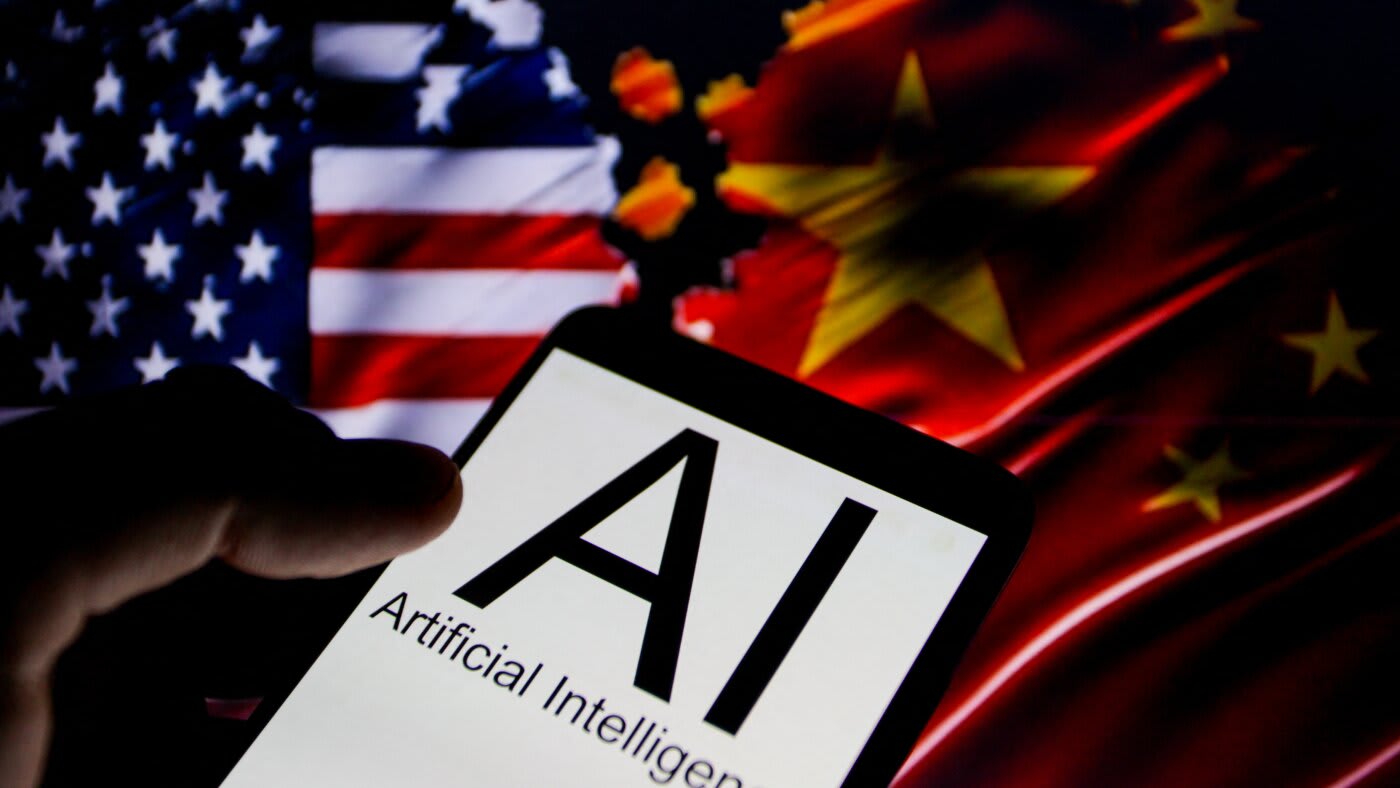
Pope Leo XIV has issued a sweeping warning against the unchecked development of artificial intelligence, arguing that control of the technology must not remain in the hands of “a few” and cautioning that AI is increasingly fueling global conflict and social instability.
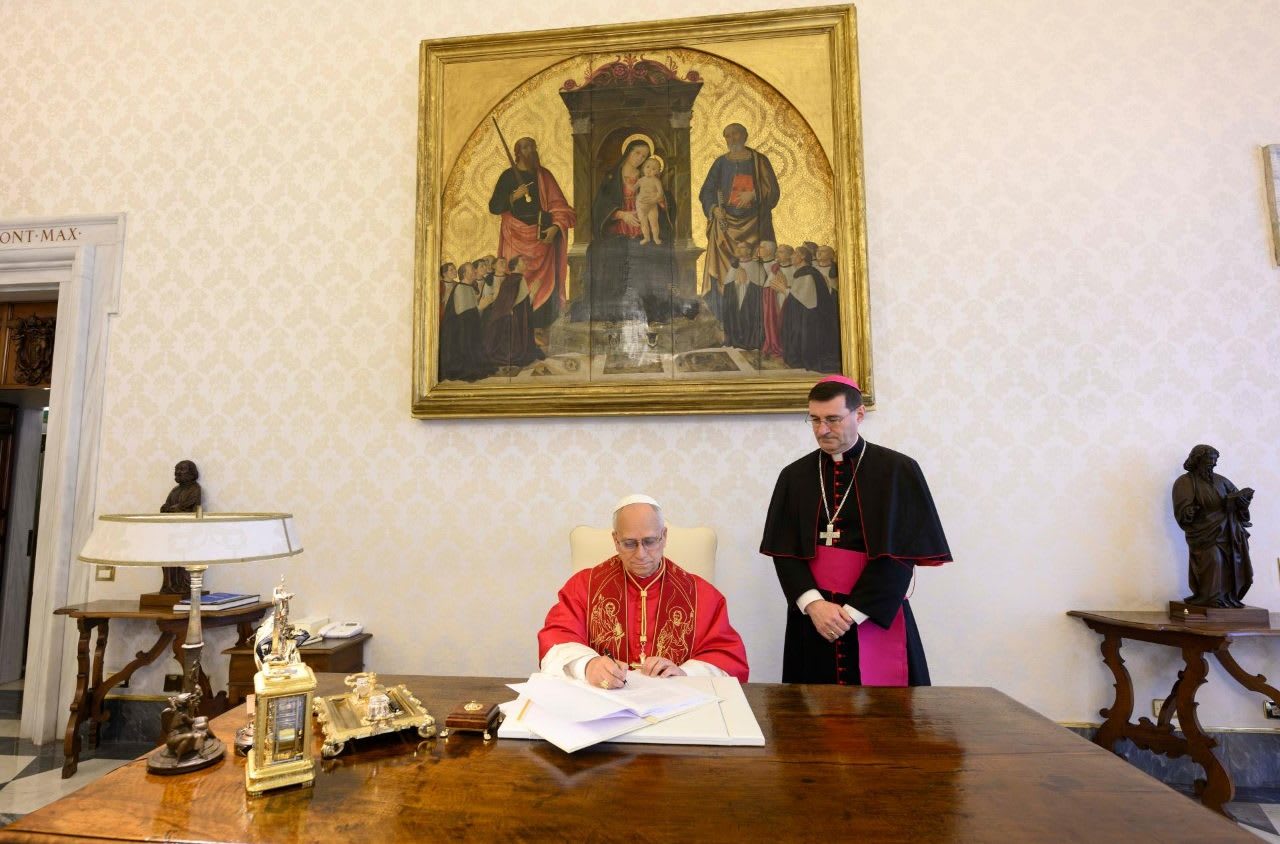
In his first major theological document as pontiff, titled Magnifica Humanitas (“Magnificent Humanity”), Pope Leo outlined a broad moral framework for the future of AI while also addressing war, migration, inequality and the dignity of human life.
The 235-page encyclical, presented personally by the pope at the Vatican, is already being viewed as a defining text of his papacy and one of the Catholic Church’s most significant interventions on emerging technology.
“We cannot consider AI to be morally neutral,” the pope wrote. “Every technical tool embodies choices and priorities through what it measures, ignores and optimizes, and how it classifies people and situations.”
Pope Calls for Ethical Limits on AI
The pontiff warned that artificial intelligence must not be controlled by a narrow concentration of political or corporate power. Instead, he called for “robust legal frameworks, independent oversight, informed users and a political system that does not abdicate its responsibility.”
Leo argued that the rapid development of AI risks undermining the “grandeur of humanity” if ethical safeguards are not established. He stressed that technology should protect workers, preserve human dignity and support social justice rather than deepen inequality or replace human judgment.
Drawing on the biblical story of the Tower of Babel, the pope warned that humanity risks creating a system that seeks domination through a single form of power and thinking.
“The story is a warning against a plan that dominates and ultimately dehumanizes,” he wrote, insisting that diverse voices and communities must shape the development of AI.
The encyclical also rejects extreme technological ideologies such as transhumanism and posthumanism, which promote the idea that technology can overcome biological limits or blur the distinction between humans and machines.
Leo said the Church must defend the uniqueness of the human person in an era increasingly shaped by algorithms and automation.
Strong Criticism of Modern Warfare
Beyond technology, the pope devoted significant attention to the moral consequences of war and violence.
Pope Leo declared that the traditional Christian “just war” doctrine is now “outdated,” arguing that military force should only be used for “self-defense in the strictest sense.”
“The construction of a world in a state of perpetual conflict is an evil and must be named for what it is,” he wrote.
The pope added that “force, violence and weapons” ultimately produce “disastrous consequences for civilian populations” and said humanity already possesses more effective tools for peace, including “dialogue, diplomacy and forgiveness.”
The remarks come after tensions between the Vatican and some Western political leaders over conflicts in the Middle East.
Earlier criticism by the pope of joint U.S.-Israeli strikes on Iran reportedly drew backlash from U.S. Vice President JD Vance, who warned the pontiff to “be careful when he talks about matters of theology.”
Migrants, Slavery and Human Dignity
The encyclical also addresses migration and historical injustice, with the pope describing the treatment of migrants and refugees as the “litmus test” for social justice.
Leo further acknowledged the Catholic Church’s historical failures, apologizing for the institution’s role in legitimizing slavery and for taking too long to condemn the practice.
The document continues the broader social teachings of the late Pope Francis, whose first encyclical focused heavily on climate change and environmental protection.
However, Leo’s text places artificial intelligence at the center of the Church’s moral and political concerns, signaling that the Vatican sees AI as one of the defining issues of the modern era.
In a notable move, the pope presented the encyclical alongside Chris Olah, co-founder of AI company Anthropic, underscoring the Vatican’s intention to engage directly with the technology sector rather than reject technological progress outright.
While acknowledging the opportunities AI can provide, Pope Leo insisted that innovation must always remain subordinate to human dignity, justice and peace.
READ ALSO: Ghana Raises GH¢3.93bn in Treasury Bill Auction Below Target