Ghana has unveiled an ambitious Green Minerals Roadmap designed to transform the country's mining sector from one centred on raw mineral exports into an industrial economy driven by local processing, manufacturing and value addition.
The strategy was presented at the 9th Mining on Top Africa Summit under the theme, "Value Beyond Extraction: Industrialisation, Value Addition and Long-Term National Benefit," highlighting a significant shift in the country's long-term approach to managing its mineral wealth.
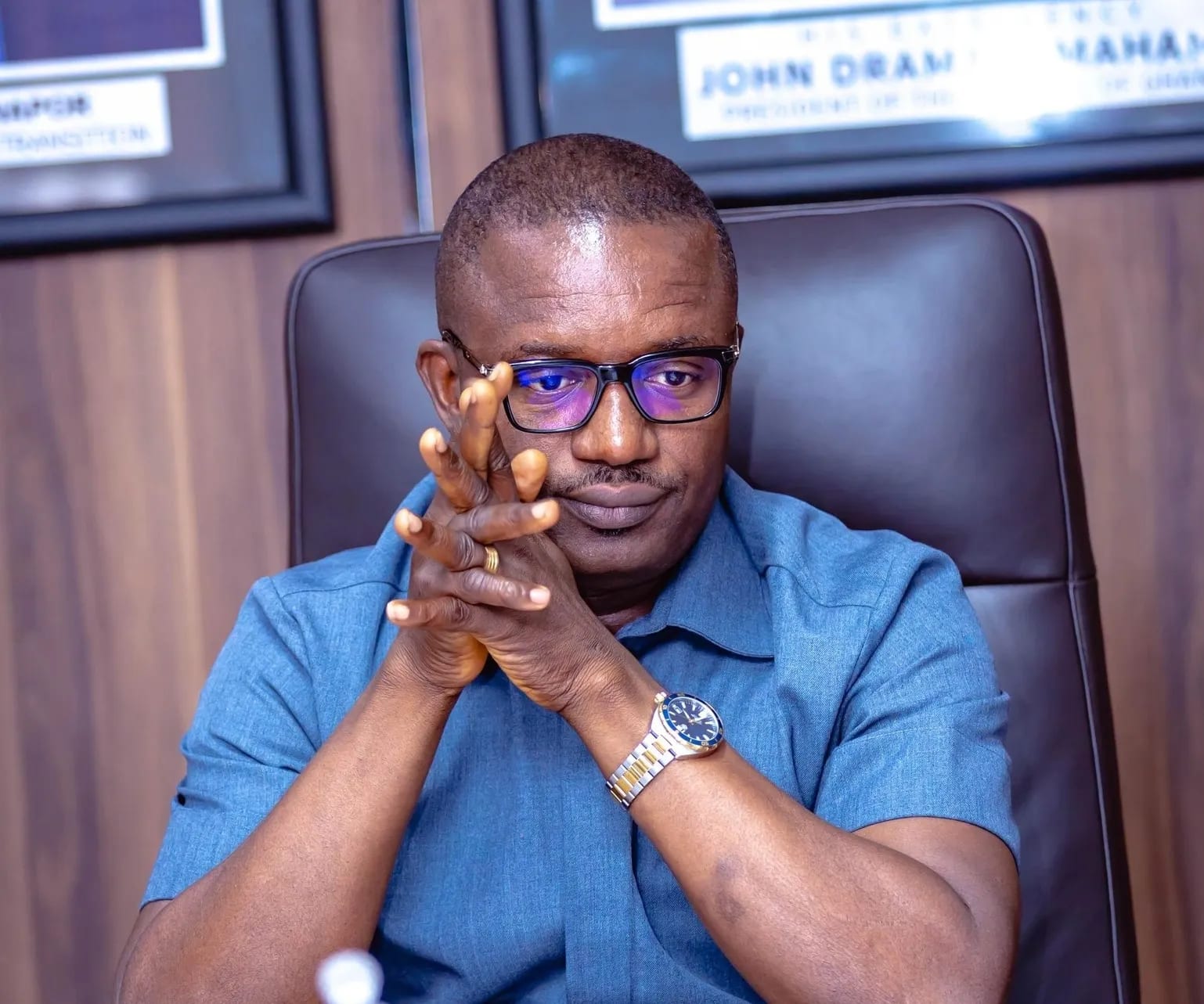
Speaking on behalf of the Chief Executive Officer of the Minerals Commission, Isaac Tandoh, Senior Monitoring and Evaluation Officer Dr. Theophilus Kekeli Agbenyezi said Ghana had set a clear target to phase out the export of unprocessed minerals, including gold, bauxite, manganese and lithium, by 2030.
"The policy requires mining firms to establish domestic processing and refining facilities, ensuring greater resource sovereignty and value retention within Ghana," he said.
EV manufacturing and aluminium industry at the centre
The roadmap places green industrialisation at the heart of Ghana's mining future.
Government intends to leverage its growing lithium resources to support electric vehicle and battery manufacturing by limiting the export of raw lithium while encouraging investment in processing and midstream manufacturing.
At the same time, the Ghana Integrated Aluminium Development Corporation is pushing ahead with plans to develop infrastructure capable of refining the country's estimated 960 million metric tonnes of bauxite.
The move is expected to reduce dependence on imported alumina while supplying processed aluminium to Ghana's emerging automotive industry.
Officials believe the strategy will allow more of the economic value generated by mineral resources to remain within the country instead of being exported in raw form.
Local businesses and skills development prioritised
The Minerals Commission also announced stronger local content measures intended to deepen Ghanaian participation across the mining value chain.
Under revised procurement rules, selected supply chain services will be reserved exclusively for wholly Ghanaian-owned companies, a policy aimed at ensuring industrial growth translates into broader economic opportunities for local businesses.
Human capital development also features prominently in the roadmap. Mining companies are expected to strengthen partnerships with institutions such as the University of Mines and Technology to develop technical expertise while reducing reliance on expatriate labour through structured knowledge transfer programmes.
Cleaner mining and stronger governance
Beyond industrialisation, the roadmap seeks to address environmental concerns and improve governance within the mining sector.
Government is expanding the Responsible Cooperative Mining and Skills Development Programme to formalise artisanal and small-scale mining through mercury-free extraction technologies and stronger regulatory oversight.
The programme also aligns mining operations with the Anti-Money Laundering Act, allowing more revenue generated from small-scale mining to enter the formal financial system.
With the Green Minerals Roadmap, Ghana is signalling a decisive shift in policy. Rather than measuring success solely by the volume of minerals extracted, the country is placing greater emphasis on processing, manufacturing, local ownership and sustainable resource management as the foundation for long-term economic transformation.
READ ALSO: Nigeria's Oil Production Climbs to Six-Year High, Exceeds OPEC Quota in June