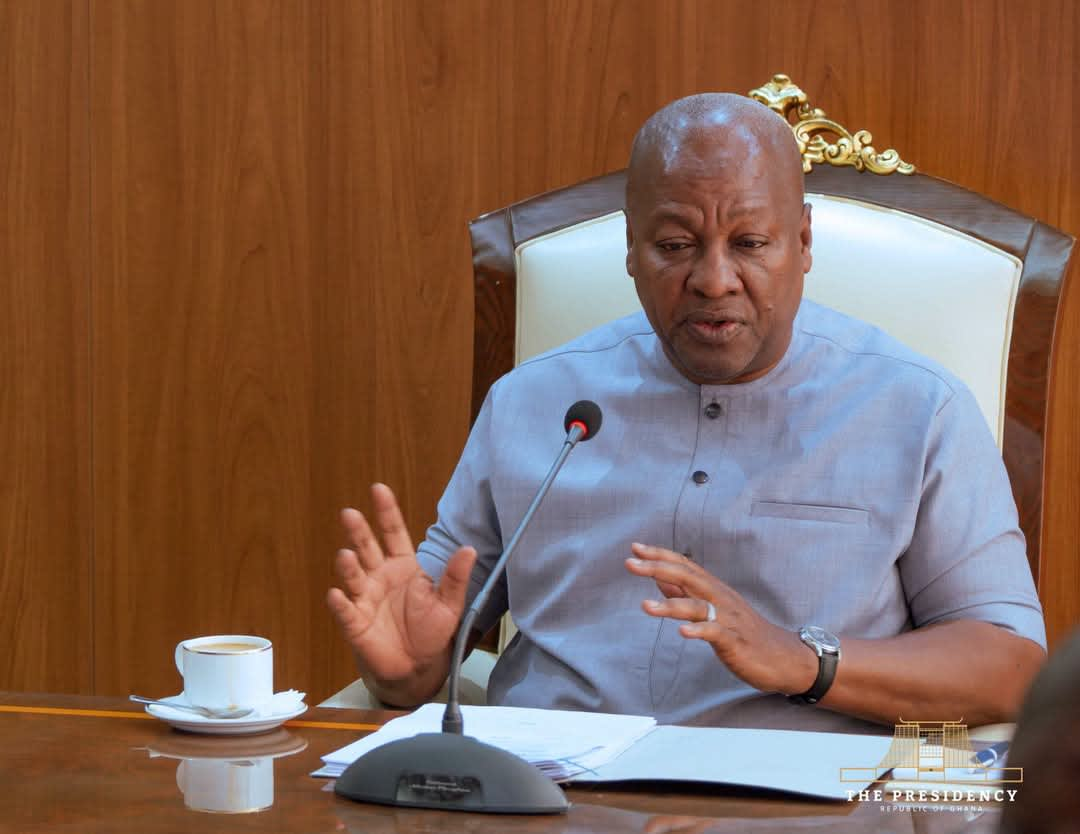
The Presidency has directed ministers to enforce the constitutional retirement rules for state CEOs retirement, requiring chief executives of public institutions and state owned organisations who are 60 or older and serving without valid post retirement contracts to leave office.
The directive, dated November 23, 2026, was signed by Secretary to the President Dr Callistus Mahama and places responsibility on ministers to ensure compliance across institutions under their supervision.
“All Ministers of State are hereby directed to ensure that Chief Executives of public institutions and state-owned organisations under their respective ministerial oversight comply strictly with the compulsory retirement provisions of Article 199(1) of the Constitution,” the directive said.
Article 199(1) of the 1992 Constitution requires public officers to retire at age 60, except where the Constitution provides otherwise.
Re-engagement allowed up to age 65
The Presidency also drew attention to Article 199(4), which allows an appointing authority to re-engage a retired public officer where the needs of the service require it.
Such re-engagements may run for up to two years at a time but cannot exceed five years cumulatively.
Where an officer is re-engaged immediately after reaching 60, the maximum period therefore ends at age 65.
The directive makes clear that the new instruction does not automatically remove every chief executive who has reached 60. Those with valid post retirement contracts may continue within the constitutional limits.
Affected CEOs told to hand over immediately
Chief executives without valid contracts, those whose contracts have expired and officers who have exhausted the five year re-engagement limit have been ordered to begin their exit.
“Chief Executives subject to Article 199 who have attained age 60 and are serving without a valid post-retirement contract, or whose contracts have expired or reached the five-year cumulative limit, are required to prepare and submit their handing-over notes to their respective Boards or Councils without delay and vacate office.” -Presidency
Executives approaching the end of their lawful tenure must also complete the handover process no later than their final day in office.
The notes are expected to provide a clear account of ongoing programmes, pending decisions, outstanding commitments and matters requiring immediate attention from the relevant board or council.
The directive effectively puts ministers on notice to review the status of chief executives under their ministries and ensure that continued service beyond the constitutional retirement age is backed by a valid re-engagement arrangement.
READ ALSO: NACOC Rejects Unlawful Detention Claims in Cocaine Case