Producer inflation in Ghana rose sharply to 5.8% in May 2026 from 2.7% recorded in April, signalling a significant increase in the prices producers received for goods and services over the past year.
The latest figures released by the Ghana Statistical Service (GSS) show that although annual producer inflation accelerated, producer prices declined by 1.4% between April and May, suggesting a temporary easing in price pressures across key sectors of the economy.
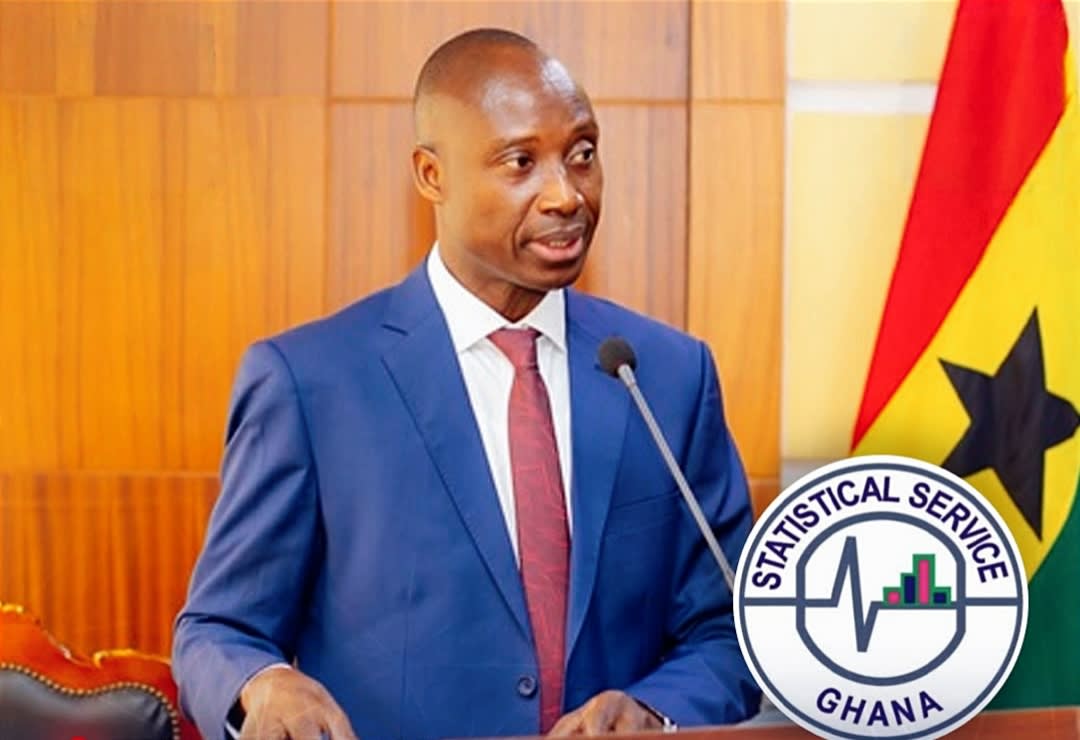
According to Government Statistician Dr. Alhassan Iddrisu, the mining and quarrying sector continued to exert the strongest influence on producer inflation.
“Mining and quarrying remained the largest contributor to producer inflation, recording 11.0% inflation in May 2026 and reflecting the strong influence of the sector on overall production costs.” - Dr. Alhassan Iddrisu
The sector’s performance underscores its significant role in shaping production costs and pricing trends across the broader economy.
Manufacturing and Transport Recover
The increase in producer inflation was also supported by improved performance in manufacturing and transport-related activities.
Data from the GSS showed that manufacturing moved into positive territory, rising from negative 0.7% in April to 0.7% in May. Meanwhile, the transport and storage sector recorded a notable rebound, climbing from negative 6.6% to 7.7% during the same period.
Dr. Iddrisu noted that the recovery in these sectors helped drive the overall increase in producer inflation after months of weaker price growth.
“The rise in producer inflation was supported by a recovery in key sectors. Manufacturing moved from -0.7% to 0.7%, while Transport and Storage rebounded from -6.6% to 7.7%, reversing earlier price declines.” - Dr. Alhassan Iddrisu
While the annual increase points to higher production costs compared to a year ago, the monthly decline in producer prices offers some relief for businesses and policymakers monitoring inflation trends.
The latest data suggests that although producers are receiving higher prices than they did a year earlier, short-term price pressures may be moderating. Market observers will be watching closely to see whether the easing in monthly prices continues in the coming months as Ghana pursues broader economic stability and growth.
READ ALSO: Vice President Jane Opoku-Agyemang Rallies Black Stars Ahead of FIFA World Cup Opener