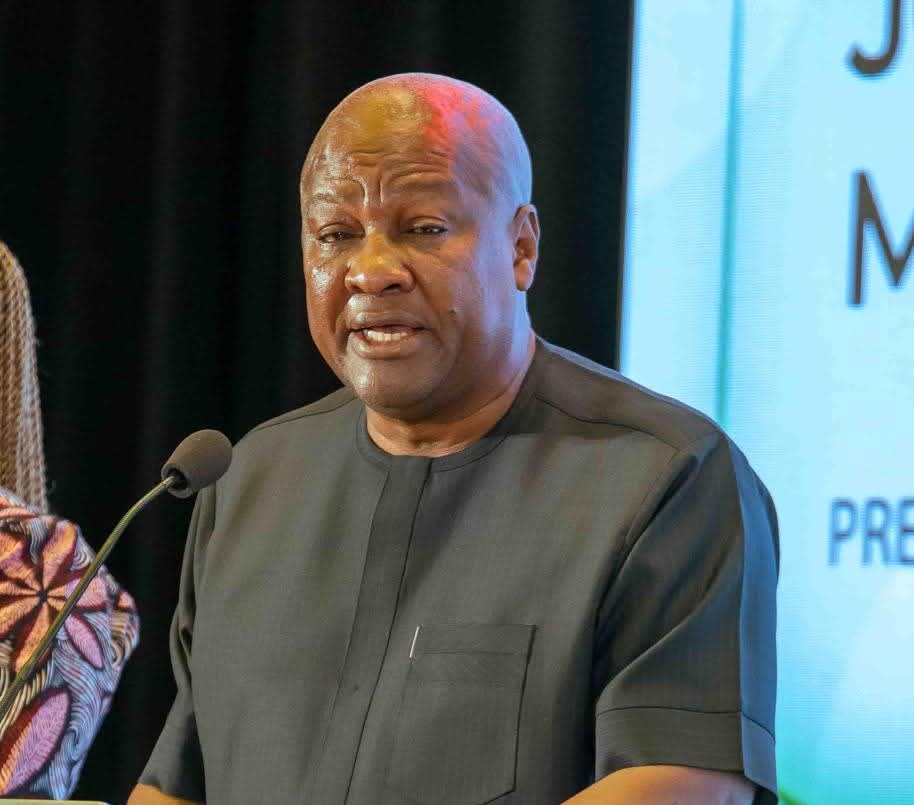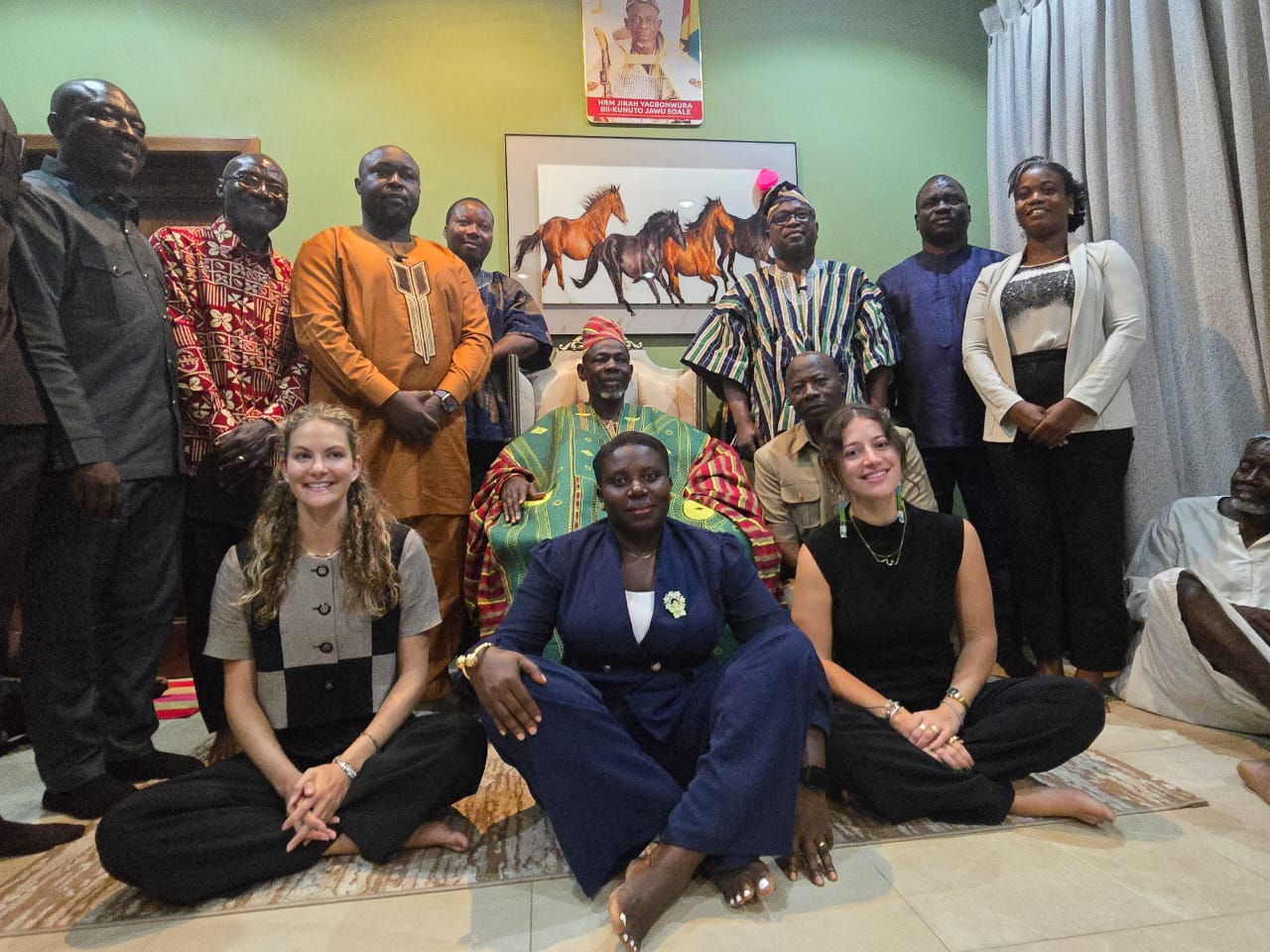
The Savannah Climate Governance Consultations have produced fresh momentum for Ghana’s efforts to strengthen climate action, with government officials, local authorities and development partners meeting in Damongo to chart a more coordinated response to climate challenges facing the country.
The regional engagement, organised by the Office of the Minister of State for Climate Change and Sustainability, forms part of a nationwide consultation aimed at creating stronger institutions to guide climate governance while ensuring local communities play a central role in shaping policy.
Held in the Savannah Regional capital, the consultation brought together Metropolitan, Municipal and District Chief Executives, Coordinating Directors, Planning Officers, technical experts and representatives from the Ghana Meteorological Agency, the Global Centre for Climate Mobility and other stakeholder organisations.
Building stronger climate institutions
At the centre of discussions was the government's proposal to establish a National Climate Change and Sustainability Hub alongside Climate Change and Sustainability Units within Ministries, Departments and Agencies as well as Metropolitan, Municipal and District Assemblies.
The proposed structures are expected to improve coordination of climate policies, strengthen planning at the local level and create a clearer institutional framework for addressing climate risks across the country.
Recommendations gathered from the regional consultations will feed into a Cabinet Memorandum intended to formalise the new governance arrangements.
Officials described the process as a deliberate effort to ensure Ghana's climate policies reflect realities on the ground instead of being driven solely from the national level.
Technical sessions focus on practical solutions
Beyond policy discussions, participants took part in technical presentations covering Ghana's climate laws, national commitments and planning frameworks.
The Ghana Meteorological Agency introduced participants to the Ghana Climate Atlas, highlighting how climate data can support evidence based planning and improve decision making for local authorities.
Attention also turned to climate mobility, with the Global Centre for Climate Mobility outlining how changing weather patterns continue to affect livelihoods, migration and the resilience of vulnerable communities.
Those presentations sparked lively exchanges as participants shared experiences from across the Savannah Region, identified emerging climate threats and suggested measures to improve local preparedness.
Climate action begins in the districts
Minister of State for Climate Change and Sustainability, Hon. Seidu Issifu, stressed that effective climate governance must be anchored in communities where the effects of climate change are most visible.
"Climate governance must be rooted where climate impacts are most felt within our districts and communities," he said.
He explained that the proposed Climate Change and Sustainability Hub and the accompanying units would provide "the institutional foundation to coordinate climate action, unlock climate finance, and empower local authorities to build resilient and sustainable communities."
According to the Minister, broad stakeholder participation is essential if Ghana is to build a governance system that enjoys national ownership while responding to local priorities.
Savannah Region pledges support
Savannah Regional Minister Hon. Salisu Be Awuribe welcomed the initiative and assured government of the region's commitment to advancing climate smart development.
"The Savannah Region stands ready to champion climate action through strong collaboration among our Regional Coordinating Council, MMDAs, traditional authorities and development partners." Hon. Salisu
He noted that the consultations provide an opportunity for regional priorities to be reflected in Ghana's evolving climate governance framework while encouraging all assemblies to prepare for the implementation of the proposed structures once approved.
Broad stakeholder backing
Representatives from Regional Coordinating Councils, government agencies, civil society organisations, academia, development partners and the private sector participated in the consultation.
Many welcomed the proposed reforms, while calling for sustained technical support, stronger institutional coordination, expanded capacity building and greater access to climate finance to help local authorities respond effectively to climate related challenges.
The Damongo consultation marks another milestone in Ghana's drive to build an inclusive and science based climate governance system.
Officials believe the outcomes will strengthen national coordination, improve climate planning and support the country's commitments under the Paris Agreement, the Nationally Determined Contributions and the Sustainable Development Goals.
As the nationwide consultations continue, the Savannah Region has signalled its readiness to play a leading role in shaping a more resilient and climate smart Ghana.
READ ALSO: Ghana's Energy Sector Reforms Promise a Reset, but Delivery Will Decide Outcome