Donald Trump has sharply rejected Iran’s response to a U.S.-backed peace proposal, triggering a fresh surge in global oil prices and intensifying fears over prolonged disruption in the Strait of Hormuz, one of the world’s most critical energy shipping routes.
Oil prices climbed by about $3 per barrel on Monday after investors reacted to signs that diplomatic efforts to end the 10-week conflict between the United States, Israel and Iran had stalled.
The continued deadlock has left shipping through the Strait of Hormuz severely constrained, raising concerns over global supply chains and energy security.
Before the conflict escalated, the narrow waterway handled nearly one-fifth of the world’s oil supply, making it a key pressure point in the ongoing crisis.
Iran Demands Sanctions Relief and Sovereignty Guarantees
Iran’s response to Washington’s proposal focused heavily on ending hostilities across the region, particularly in Lebanon, where Israeli forces continue to battle Hezbollah militants backed by Tehran.
According to Iranian state media, Tehran demanded compensation for war damages, recognition of Iranian sovereignty over the Strait of Hormuz, an end to the U.S. naval blockade and guarantees against future attacks.
Iranian officials also called for the lifting of sanctions and the removal of restrictions on Iranian oil exports.
The U.S. proposal had reportedly sought a halt in fighting before broader negotiations on contentious issues such as Iran’s nuclear programme.
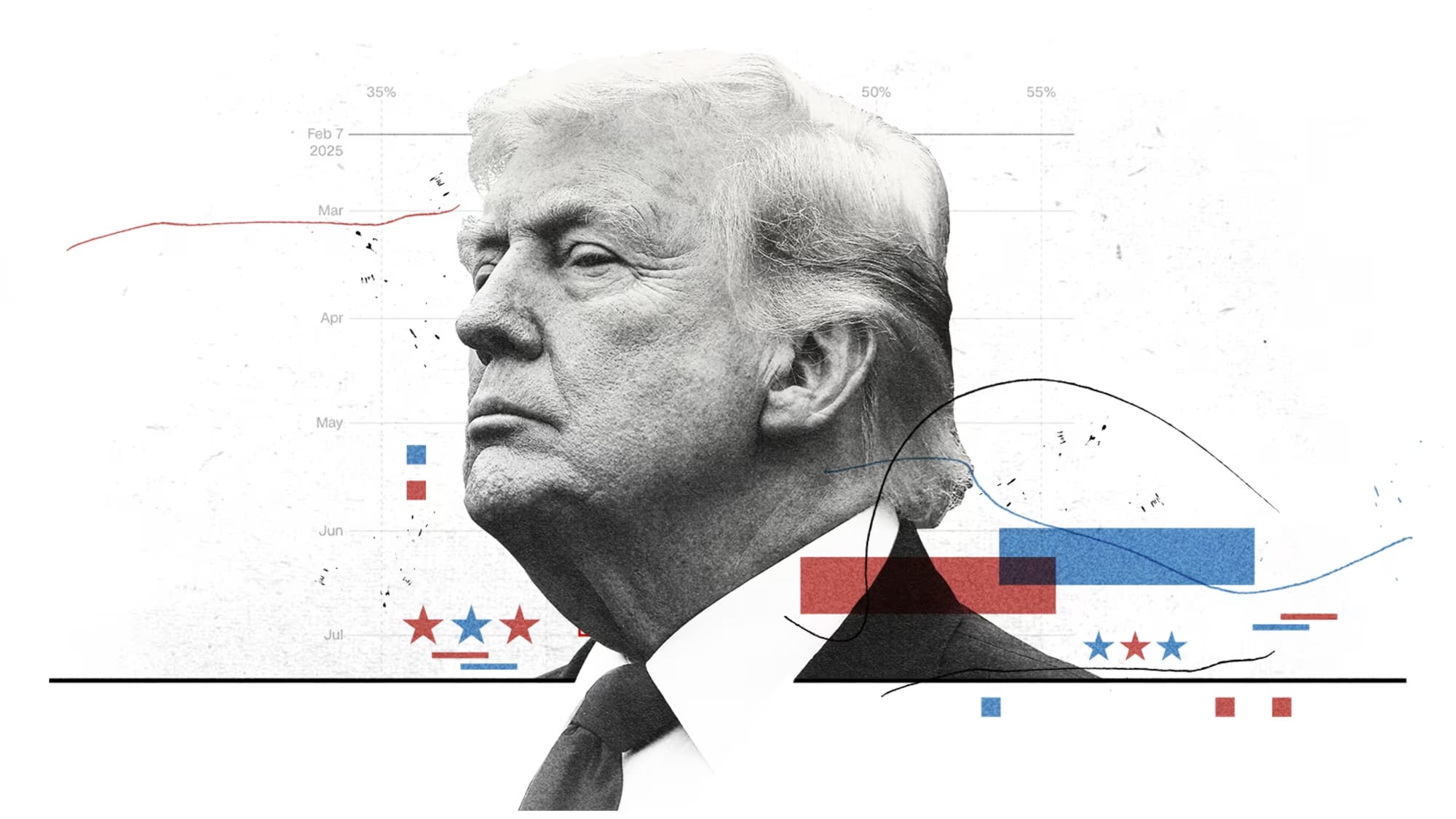
However, Trump swiftly dismissed Tehran’s response in a social media post, declaring: “I don’t like it — TOTALLY UNACCEPTABLE.”
The former president did not provide further explanation for rejecting the proposal.
Regional Tensions Continue to Escalate
Despite ongoing diplomatic engagement, security tensions across the Gulf region remain elevated. Recent days have witnessed some of the most serious flare-ups around the Strait of Hormuz since a ceasefire was announced earlier in the conflict.
The United Arab Emirates said it intercepted two drones allegedly launched from Iran, while Qatar condemned an attack on a cargo vessel operating in its waters. Kuwait also reported intercepting hostile drones that entered its airspace.
Meanwhile, clashes between Israeli forces and Hezbollah fighters have continued in southern Lebanon despite a U.S.-brokered ceasefire announced in April.
Israeli Prime Minister Benjamin Netanyahu insisted the conflict was not over, arguing that more work remained to dismantle Iran’s uranium enrichment infrastructure and weaken Tehran’s regional influence.
“The best way to remove the enriched uranium would be through diplomacy,” Netanyahu said during an interview on 60 Minutes, while also refusing to rule out military action.
Global Economic and Political Pressure Mounts
The prolonged conflict is increasingly placing political pressure on Washington as higher oil prices drive up fuel costs for consumers ahead of key U.S. elections later this year.
International backing for military intervention has also remained limited, with NATO allies resisting calls to deploy naval forces to reopen the Strait of Hormuz without a broader internationally supported peace framework.
Trump is expected to travel to Beijing this week for talks with Xi Jinping, where Iran and the global energy crisis are expected to feature prominently on the agenda.
Iranian President Masoud Pezeshkian maintained a defiant tone, stating that Iran would “never bow down to the enemy” and would continue to defend its national interests.
Analysts warn that unless a diplomatic breakthrough is achieved soon, continued instability around the Strait of Hormuz could further disrupt global oil markets and deepen economic uncertainty worldwide.
READ ALSO: Black Sherif Wins Artiste of the Year at 2026 TGMA