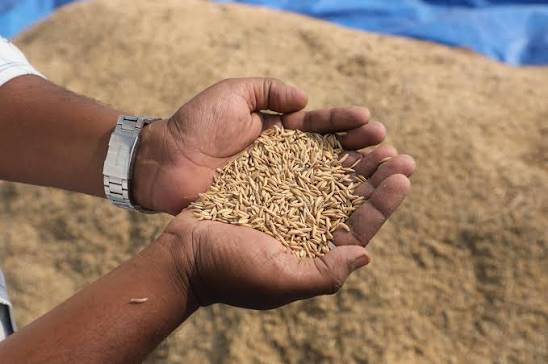
The Chamber of Agribusiness, Ghana, is urging government to prioritise paddy rice imports under its proposed 50 percent rice import cap, arguing that the policy would deliver more value if imported rice is processed locally rather than brought in already milled.
Chief Executive Officer of the Chamber, Anthony Morrison, said the restriction proposed in the 2027 Budget was a positive step but needed a stronger implementation model to support local factories, employment and foreign exchange retention.
He wants the Ministry of Food and Agriculture to first determine Ghana’s annual rice requirement and then allocate import volumes through a competitive bidding process.
Importers should buy from local millers
Under the Chamber’s proposal, rice importers would be required to source 50 percent of their needs from local millers, while the remaining portion would be imported as paddy rice and processed in Ghana.
“Rather than the milled rice, let’s focus on the paddy, because the paddy has rippling effects. In fact, multiple effects than bringing in the milled rice,” Mr Morrison said.
He argued that local processing would improve factory utilisation and create jobs across transport, milling, packaging and related services.
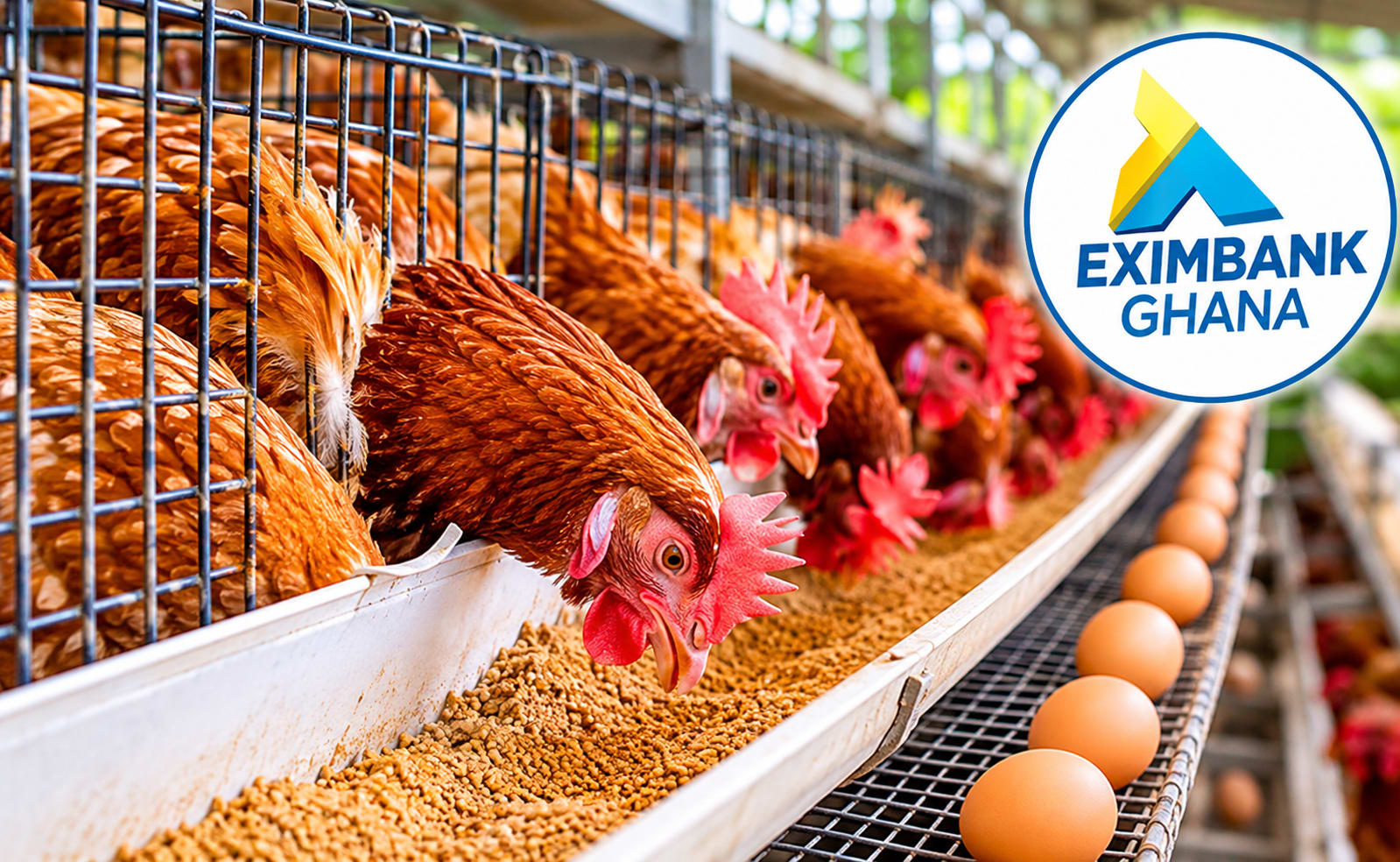
The Chamber also sees a link with poultry production. Rice bran generated during milling can be used in poultry feed, creating an additional market for a processing by-product.
More value could stay in Ghana
Mr Morrison said Ghana spends more than US$600 million annually importing over one million metric tonnes of milled rice.
“At the end of the day, the amount of money we spend to import over one million metric tons of milled rice from overseas will be retained in this country,” he said.
He added that the policy could encourage large international rice traders to establish processing plants locally.
The Chamber, however, says the wider benefits will depend on Ghana’s processing capacity, the cost of importing paddy and how much of the value chain actually remains in the country.
Beyond rice, the Chamber is calling for a review of agricultural spending priorities under the 2027 Budget.
While acknowledging more than US$2.9 billion in planned agricultural allocations over four years, it wants greater attention paid to livestock production, irrigation, youth participation and agricultural emergency preparedness.
The Chamber says those gaps will determine whether higher public spending translates into stronger domestic production and lower import dependence.
READ ALSO: Mahama Woos Investors for US$10bn New Economy Plan