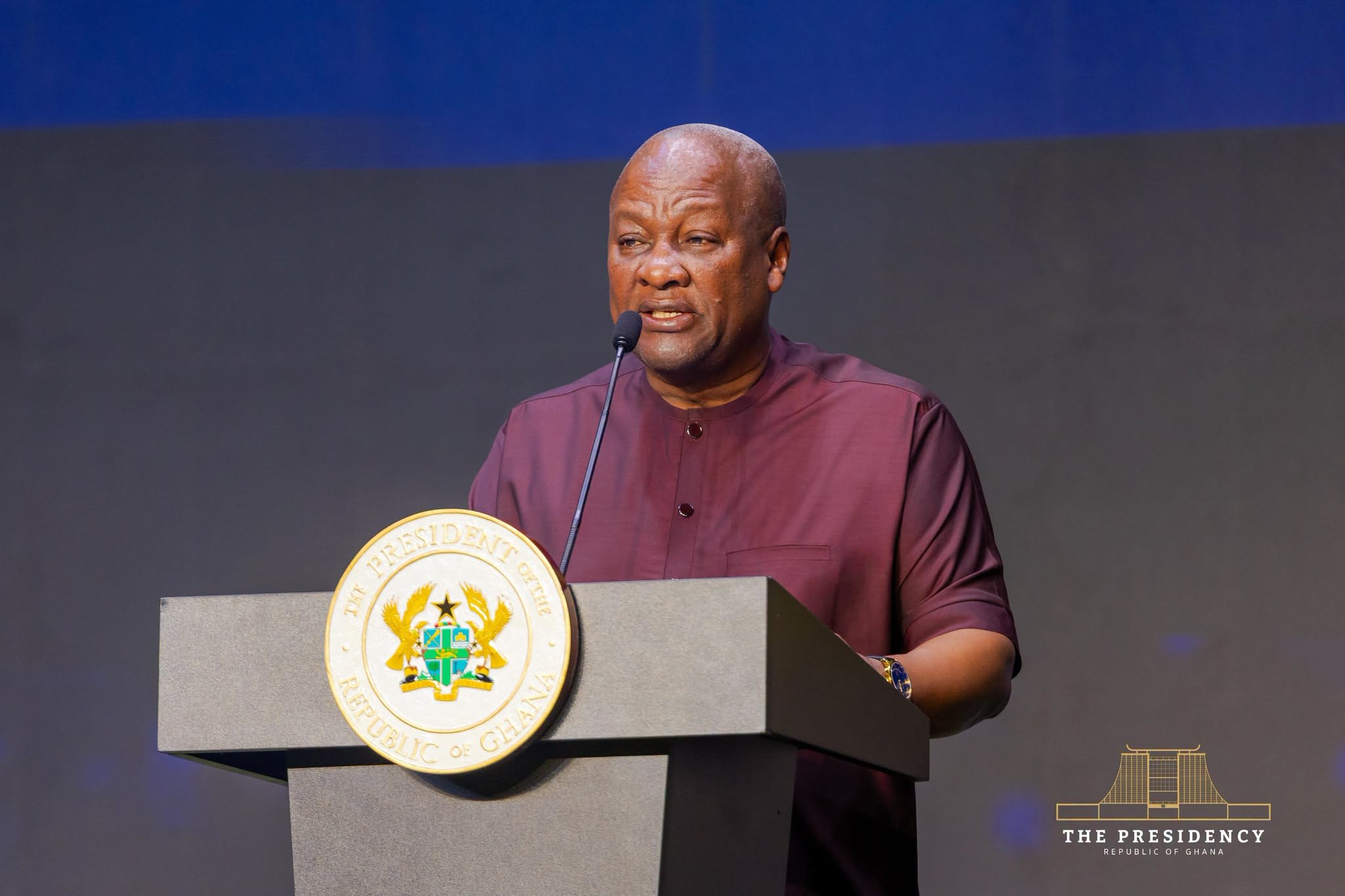
President John Dramani Mahama has urged local and international investors to take advantage of Ghana’s US$10 billion New Economy Programme, which will drive investments across eight priority sectors between 2027 and 2030.
Speaking at the maiden Invest Ghana Summit 2026 in Accra on Monday, November 16, the President said private capital would be central to expanding manufacturing, creating jobs and moving the economy towards higher-value production.
The summit brought together investors, policymakers and business leaders to explore opportunities across Ghana’s priority sectors and connect capital with projects.
Government outlines industrial opportunities
Trade, Agribusiness and Industry Minister Elizabeth Ofosu-Adjare used the summit to outline six government commitments intended to improve the investment environment and speed up industrial development.
She identified opportunities in garment manufacturing, pharmaceuticals, automotive components, sugar production and oil palm processing.
In the garment sector alone, four proposed factories are expected to create about 36,000 direct jobs when operating at full capacity.
Government’s New Economy framework places particular emphasis on expanding domestic production, processing raw materials locally and using Ghana as a base for regional exports.
One of the programme’s major ambitions is to build an integrated textile and garment value chain capable of serving African and international markets under the 24-Hour Economy and Accelerated Export Development Programme.
Dangote calls for stronger local production
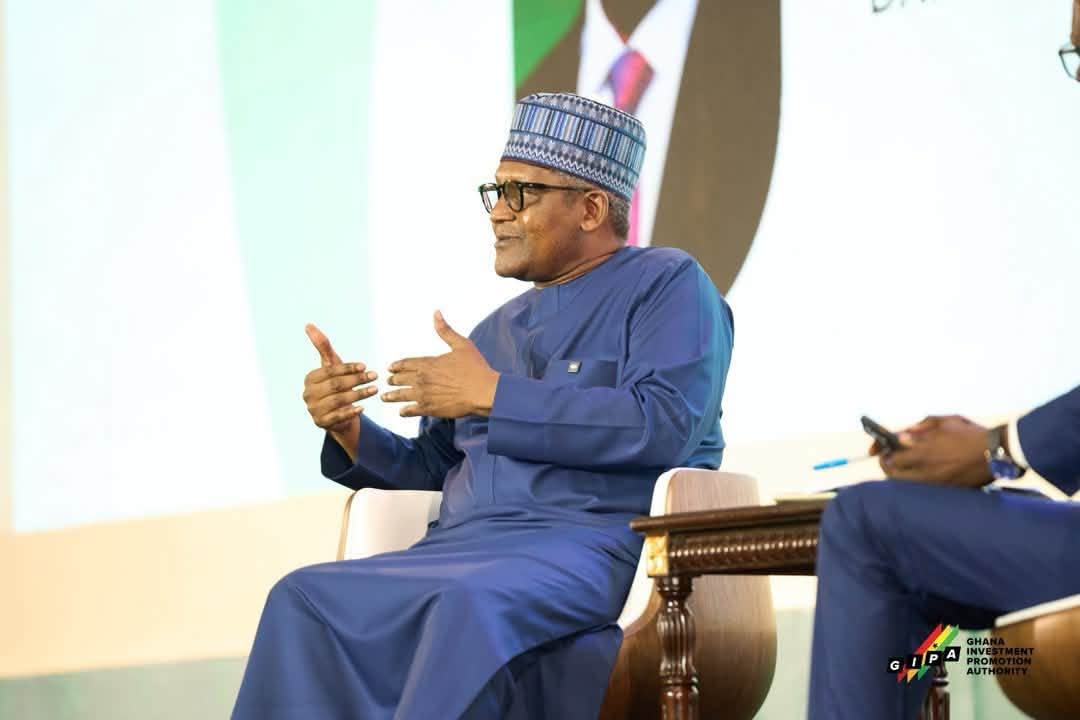
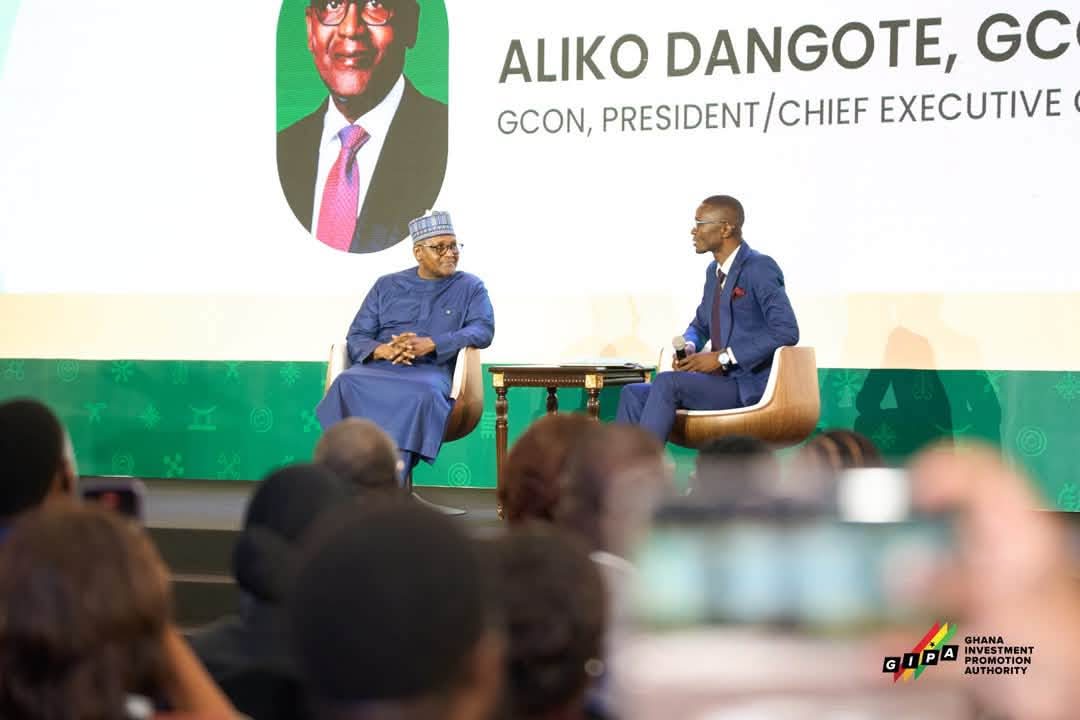
Founder and Chief Executive Officer of the Dangote Group, Aliko Dangote, also used the summit to push for greater domestic investment across Africa.
He argued that African economies must build industries capable of processing their own agricultural and mineral resources rather than exporting them in raw form and importing finished goods.
The position aligns with the government’s broader industrial strategy, which seeks to attract private investment into sectors capable of creating jobs, expanding exports and reducing dependence on imports.
President Mahama said Ghana had moved beyond the immediate phase of economic stabilisation and now needed investment capable of driving production and employment at scale.
The US$10 billion programme is expected to run over four years, with government using policy support, infrastructure and partnerships with the private sector to attract investment into its selected priority sectors.
READ ALSO: Fitch Solutions Project Ghana’s Inflation to Climb Above 10% in 2027