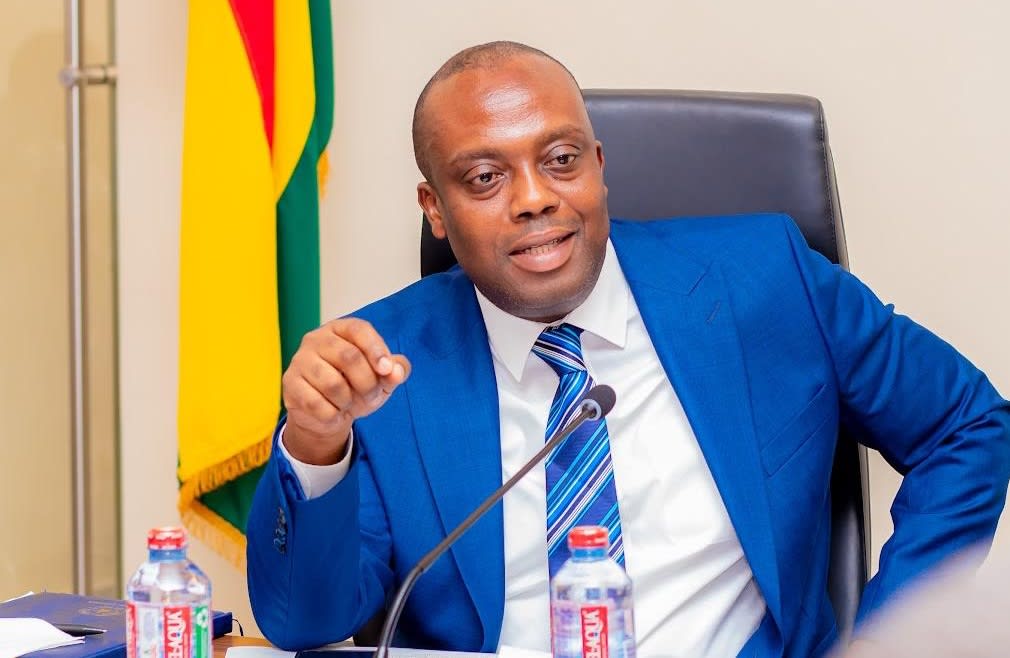
Finance Minister Dr Cassiel Ato Forson will present the 2027 Budget to Parliament today, Thursday, November 12, unveiling the government’s four-year “New Economy” programme as Ghana attempts to turn recent macroeconomic stability into jobs, investment and higher incomes.
The presentation is scheduled for 6:00pm at Parliament House, following an adjustment to the sitting time approved by Speaker Alban Bagbin. Parliament has officially confirmed the evening presentation.
For the government, the budget marks a shift in emphasis. After two years dominated by fiscal consolidation, debt restructuring and economic stabilisation, attention is moving towards expanding domestic production and creating employment.
The New Economy programme is expected to sit at the centre of that transition.
US$10bn programme takes centre stage
President John Dramani Mahama has announced that the programme will mobilise about US$10 billion between 2027 and 2030 for investments aimed at restructuring Ghana’s economy.
Government says the agenda is intended to move the country away from dependence on raw material exports towards greater processing, industrialisation and value addition.
Agriculture and agribusiness, energy, critical minerals, textiles and garments, pharmaceuticals, tourism and the creative economy are among the sectors expected to feature prominently.
Ato Forson has repeatedly argued that stabilisation was only the starting point.
“Stabilisation was never the destination. It was the price of entry,” he said during consultations on the programme.
The budget will now have to show how government intends to finance those ambitions, attract private investment and ensure that projects selected under the programme can produce measurable economic returns.
Government has also indicated that no new taxes will be introduced in the 2027 budget. Deputy Finance Minister Thomas Nyarko Ampem said savings from expenditure rationalisation and spending cuts would instead be used to create fiscal space for priority programmes.
Stronger indicators set backdrop
Ato Forson will enter Parliament with several headline economic indicators moving in government’s favour.
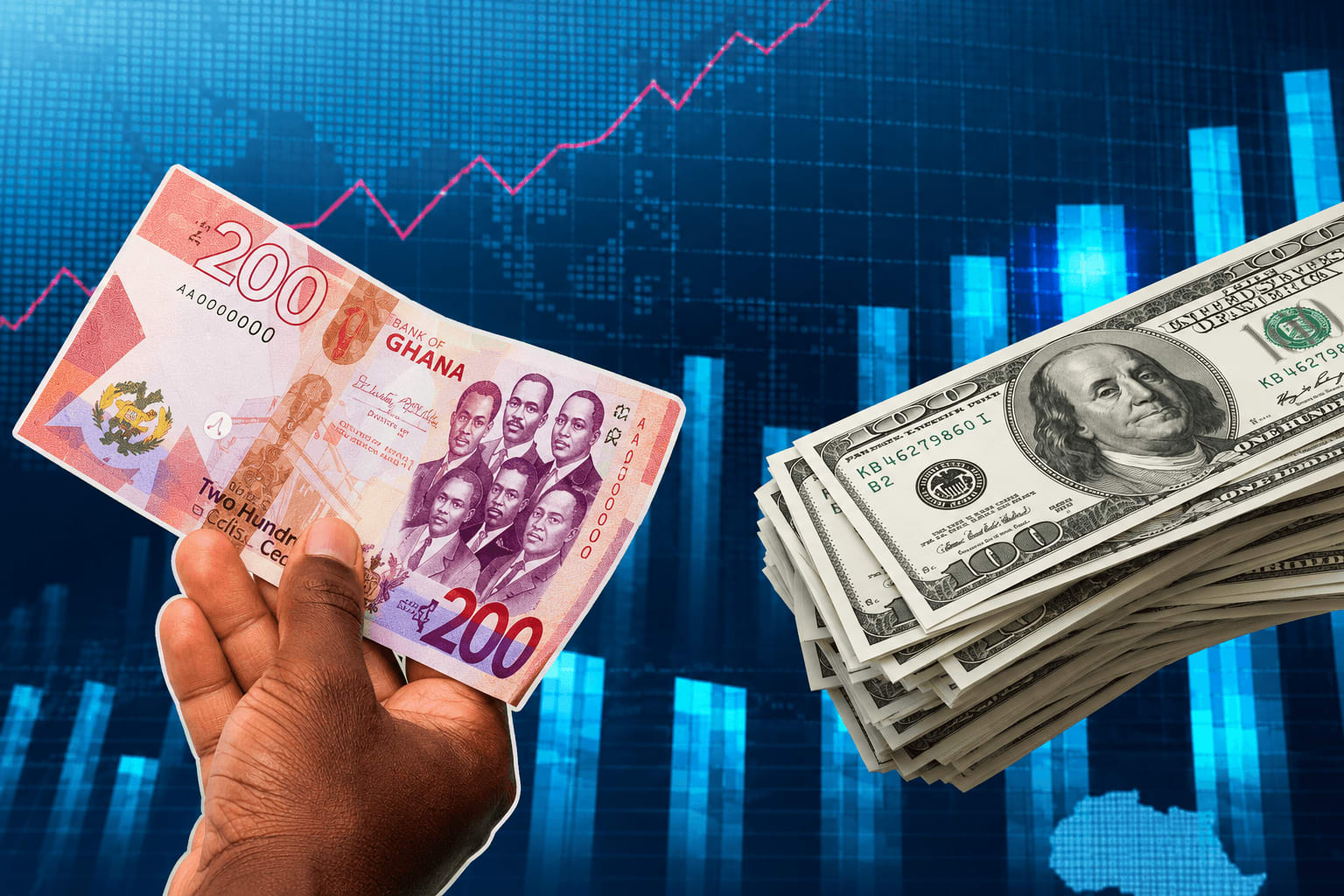
Ghana’s economy expanded by 6.0% in the second quarter of 2026, according to the Ghana Statistical Service.
Inflation stood at 5.5% in October, remaining within the Bank of Ghana’s medium-term target band despite rising for three consecutive months.
Gross international reserves stood at US$11.1 billion at the end of August, equivalent to 4.2 months of import cover. The level was above the minimum three-month benchmark, although reserves had declined from US$12.9 billion in June.
Those figures provide a stronger base, but they also raise the next question facing the government: whether stability can now translate into improvements households and businesses can feel.
Jobs and investment face the real test
Businesses, organised labour, economists and civil society groups will be watching how the budget deals with youth unemployment, domestic revenue, public debt, arrears, infrastructure and private sector financing.
Industry groups are also looking for measures that improve access to capital and strengthen local production.
The government has framed the New Economy around that challenge, promising to move from recovery towards what it describes as job-rich growth.
When Ato Forson rises in Parliament this evening, the numbers will matter. But the larger test will be whether the 2027 Budget provides a credible route from Ghana’s improved macroeconomic indicators to new businesses, productive investment and dependable jobs.
READ ALSO: Ghana to Hosts AU Executive Council Session on Union Financing