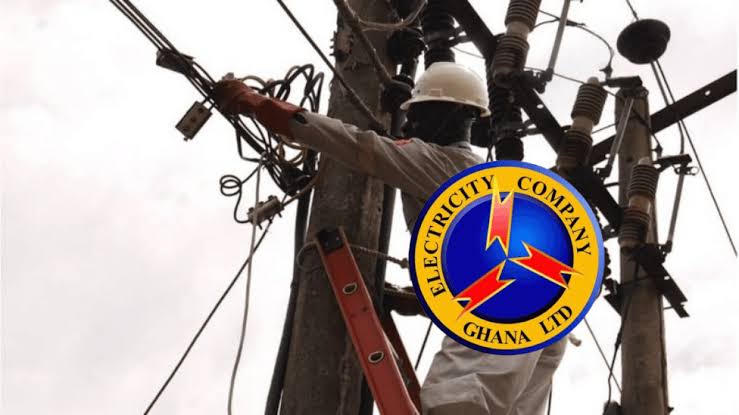
Only 36% of respondents in the KPMG/UNDP 2027 Pre-Budget Survey describe Ghana’s electricity supply as very or mostly reliable, putting power reliability among the issues businesses want the government to address.
Another 47% said they experienced occasional interruptions, while 17% described their electricity problems as frequent or severe.
For businesses, the concern is not limited to whether the lights stay on.
Focus group participants complained about estimated bills, unstable supply and the effect of interruptions on production schedules, equipment and cash flow.
The report says companies are effectively dealing with both the price of electricity and the cost of unreliable service.
Affordable tariffs top energy priorities
About 44% of respondents identified affordable and predictable tariffs as a priority.
KPMG and UNDP argue that tariff stability should be accompanied by improvements in distribution performance, metering, billing accuracy and complaint resolution.
“A tariff hold can provide stability but cannot substitute for operational improvement,” the report states in its policy recommendations.
The report calls for greater attention to technical and commercial losses in electricity distribution and more transparent reporting on service quality, particularly in areas supporting productive economic activity.
It also refers to the need for better treatment of public service obligations and completion of outstanding work around electricity sector financial management.
For businesses considering investment or extended operating hours, electricity is especially important.
The report identifies reliable energy as one of the leading interventions respondents believe would have the greatest impact on business growth and job creation.
Power key to 24H+ plans
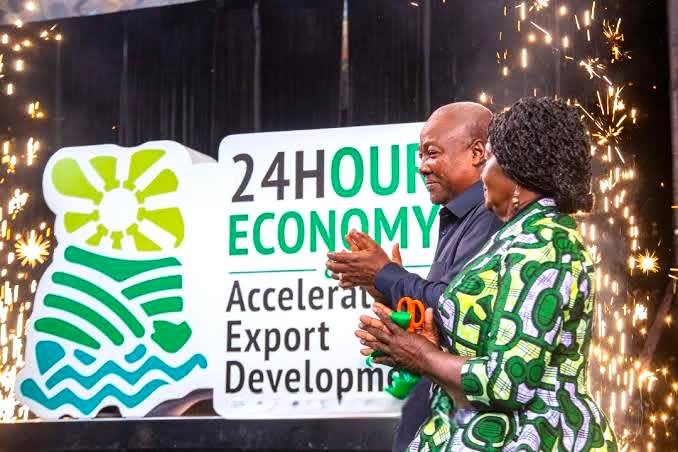
Electricity reliability also runs directly into the government's 24H+ Economy ambitions.
Businesses that operate additional shifts need power they can predict, alongside adequate logistics, security, labour and working capital.
KPMG and UNDP argue that extended-hour economic activity should be driven by actual demand rather than simply by targets for the number of businesses operating around the clock.
The report recommends measuring additional shifts actually operating, production value, productivity and durable employment.
That means electricity becomes more than a utility-sector issue.
It becomes part of Ghana’s competitiveness, employment and industrial policy.
The survey covered businesses and professionals across nine regions and 13 industries, with Greater Accra and service industries more heavily represented. Its authors caution that the results are not statistically representative of every Ghanaian business or household.
For the 2027 Budget, however, the implication is clear: businesses want cheaper power, but they also want power that works consistently enough to plan around.
READ ALSO: 71% of Ghanaians Want Jobs and Youth Employment Prioritised in 2027 Budget - KPMG/UNDP Survey