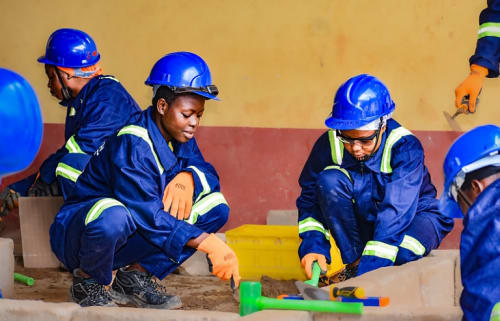
Jobs and youth employment have emerged as the biggest issue businesses and professionals want addressed in the 2027 Budget, according to a new pre-budget survey by KPMG and the United Nations Development Programme.
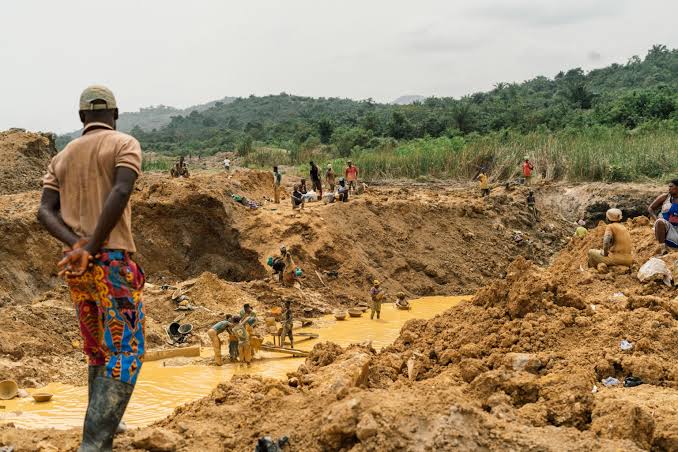
The survey found that 71% of respondents selected jobs and youth employment as a leading national priority, ahead of the cost of living at 54%, electricity supply at 34% and the fight against illegal mining at 22%.
The findings put employment at the centre of expectations ahead of Finance Minister Dr Cassiel Ato Forson’s presentation of the 2027 Budget, which the government has framed around moving Ghana from economic stabilisation to productive growth.
Businesses also put job creation near the top
Employment also featured prominently when respondents were asked specifically about business and economic policy priorities.
About 59% identified business growth and competitiveness as a leading priority, closely followed by job creation at 58%. Access to finance was selected by 36%, while 32% pointed to infrastructure development.
The numbers suggest respondents are looking beyond temporary improvements in headline economic indicators and want policies that translate into actual economic activity and employment.
KPMG and UNDP argue that job creation must be tied to commercially viable businesses rather than programmes measured mainly by the number of people enrolled.
The report recommends closer coordination between employers, technical and vocational institutions, enterprise financing programmes and local infrastructure investment.
Training programmes, it says, should be assessed by actual job placements, earnings and retention rather than participation numbers alone.
Growth optimism raises expectations
The employment demand comes despite generally positive expectations among businesses for the coming year.
About 70% of respondents said they were confident in their organisation’s growth prospects for 2027, although operating pressures remain. The report says businesses still face electricity costs, rent, weak purchasing power and challenges accessing suitable financing.
That combination creates a clear test for the Budget.
Businesses appear to believe conditions are improving, but they want the recovery to generate customers, investment and employment rather than remain largely visible in macroeconomic statistics.
KPMG and UNDP recommend that government support labour-intensive and commercially viable production while making sure employment interventions are connected to genuine demand from businesses.
The survey was conducted online from October 12 to November 4 among businesses and professionals across nine regions and 13 industry categories, with additional focus groups in Ketu South and Kumasi. The report cautions that its findings are not statistically representative of all Ghanaian businesses or households.
For the 2027 Budget, however, the message from respondents is difficult to miss: after stabilisation, they want jobs.
READ ALSO: Ghana to Hosts AU Executive Council Session on Union Financing