The Bank of Ghana policy rate will remain at 14% after the Monetary Policy Committee (MPC) unanimously voted against another reduction, despite inflation remaining below the central bank’s target band.
The decision, announced on Thursday, September 24, marks the third consecutive meeting at which the benchmark rate has been maintained.
It comes as the Public Utilities Regulatory Commission (PURC) has also kept electricity and water tariffs unchanged for the final quarter of 2026.
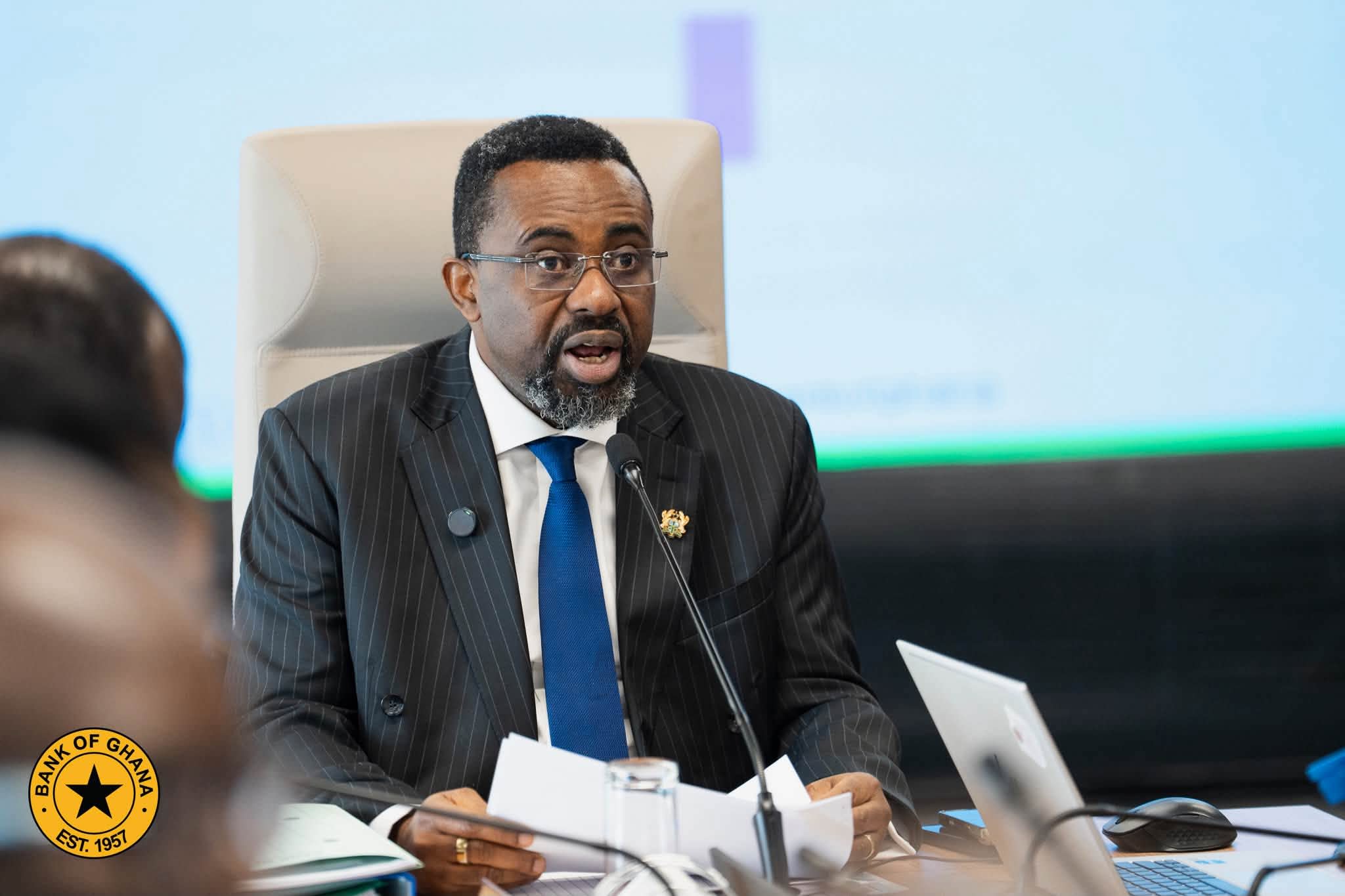
Governor Dr Johnson Pandit Asiama said the MPC considered the risks to inflation and economic growth broadly balanced.
“Based on these considerations, the Monetary Policy Committee viewed the balance of risks to inflation and growth broadly balanced, and the Committee voted by a unanimous decision to maintain the monetary policy rate at 14.0 per cent.” - Dr Asiama
Low Inflation Fails to Trigger Another Rate Cut
Headline inflation rose from 4.6% in July to 5% in August but remained below the lower boundary of the Bank’s medium-term target of 8%, plus or minus two percentage points.
The policy rate is therefore nine percentage points above headline inflation, leaving room for arguments in favour of cheaper credit.
Underlying price pressures were also relatively contained. Core inflation excluding energy and utility prices eased from 4.3% in July to 4.2% in August.
“Despite this, broad inflation expectations and core inflation measures eased, indicating a moderation in underlying inflation,” Dr Asiama explained.
The MPC, however, opted to maintain its position after considering the risks from higher petroleum prices, geopolitical tensions and disruptions to international supply chains.
Businesses See Lower Lending Rates
The Bank’s earlier interest rate reductions have already eased financing conditions.
The interbank weighted average rate declined to 10.2% in August from 23.28% a year earlier. The Ghana Reference Rate also fell from 19.67% to 10.61%.
Average commercial bank lending rates dropped from approximately 24.2% to 15.9% over the same period.
Economic activity remained resilient, with gross domestic product expanding by 6% in the second quarter.
These developments formed part of the MPC’s assessment that monetary conditions had eased while domestic growth remained firm.
Utility Tariff Freeze Removes Immediate Price Pressure
PURC’s decision means households and businesses will continue paying existing electricity and water rates from October 1 to December 31.
The regulator maintained tariffs despite applying a weaker exchange rate of GH¢11.5646 to the dollar and a higher average inflation rate of 4.97% in its fourth-quarter review.
Lower natural gas costs and a projected increase in hydropower generation helped offset those pressures.
The unchanged tariffs remove one immediate source of additional household and business expenses, although higher fuel prices and transport costs remain concerns.
Non-food inflation increased from 6.1% in July to 6.8% in August, illustrating why the MPC remains attentive to domestic cost pressures.
For borrowers, the latest decision means no further reduction in the central bank’s benchmark rate for now. For consumers, the separate tariff announcement provides three months of stability in regulated electricity and water charges.
READ ALSO: Mahama Demands Permanent African Seat on UN Security Council With Full Rights