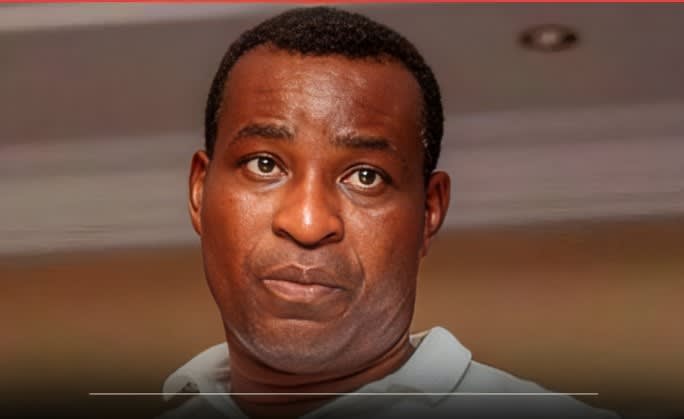
The Chairman Wontumi conviction has done more than secure one of the highest profile legal victories in Ghana's fight against illegal mining.
It has shifted the spotlight onto the state itself, with anti galamsey campaigners insisting the real measure of success will be whether prosecutors now pursue other politically exposed persons linked to illegal mining.
An Accra High Court on Monday convicted Bernard Antwi Boasiako, widely known as Chairman Wontumi, and his company, Akonta Mining Limited, for illegal mining offences connected to the company's concession at Samreboi in the Western Region.
The New Patriotic Party's Ashanti Regional Chairman was sentenced to 20 years' imprisonment on two counts, with the sentences to run concurrently. Akonta Mining was also convicted on separate charges and fined 15,000 penalty units on each count.
For many Ghanaians, the verdict represents a rare moment in which political influence did not shield a powerful figure from criminal accountability. For those who have spent years campaigning against galamsey, however, celebration quickly gave way to another question: Who is next?
Dr Ashigbey Calls for Wider Accountability
Among the first to react was Dr Ken Ashigbey, Chief Executive Officer of the Ghana Chamber of Mines and a long standing advocate against illegal mining.
While welcoming the judgment, he praised the Attorney General for pursuing the case and commended the trial judge for what he described as a courageous decision.
He also acknowledged the former Minister for Lands and Natural Resources for previously drawing public attention to Akonta Mining's alleged activities.
His comments did not end there.
"So it is great that we're dealing with one," Dr Ashigbey said before asking what had become of the other politically exposed persons identified in Professor Kwabena Frimpong Boateng's report.
That challenge lands at the doorstep of law enforcement agencies and the government. One conviction, campaigners argue, cannot become the finish line.
Beyond One Courtroom Victory
The ruling has revived debate over the Frimpong Boateng report, a document that shook Ghana's environmental governance landscape by naming politically connected individuals and networks allegedly linked to illegal mining.
For years, critics have pointed to the gulf between public allegations and successful prosecutions. Monday's judgment narrows that gap, but only slightly.
The Ghana Coalition Against Galamsey echoed the concern in a statement issued after the ruling, arguing that declarations about ending the era of impunity would carry little weight unless prosecutions extend beyond a single high profile case.
The Coalition also renewed calls for progress on investigations by the Economic and Organised Crime Office and action on recommendations contained in the Frimpong Boateng report.
A Test for the Mahama Administration
The judgment has altered the political landscape surrounding the fight against illegal mining.
Until now, public officials often condemned galamsey in broad terms while avoiding direct confrontation with influential financiers, concession holders and politically connected operators.
The successful prosecution of Chairman Wontumi demonstrates that such cases can move from investigation to conviction.
That success also raises expectations.
Campaigners insist future enforcement must apply equally across political parties if public confidence is to grow. Selective prosecution, they argue, would diminish the significance of the ruling, while consistent action would strengthen the credibility of both the courts and the Attorney General's Department.
The case has also revived questions about regulatory oversight. How did illegal activities continue on the concession? Were monitoring systems functioning? Did security agencies act on available intelligence? Those questions remain unanswered, even after the conviction.
The Fight Is Far From Over
Illegal mining continues to exact a heavy cost on Ghana's rivers, forests and farmlands while increasing water treatment costs and threatening livelihoods in affected communities.
Campaigners say lasting progress will depend not only on convictions but also on greater transparency. They have proposed regular publication of water quality data, routine updates on forest conditions and consistent reporting on prosecutions to ensure the public can measure the effectiveness of the anti galamsey campaign.
For now, the Akonta Mining judgment stands as a landmark decision. Whether history remembers it as a turning point or an isolated exception will depend on what happens after the courtroom emptied.
The court has spoken. The next move belongs to the institutions charged with proving that the law reaches every financier, facilitator and politically exposed person, regardless of influence or party colour.
READ ALSO: Bank of Ghana Opens 131st Monetary Policy Committee Meeting as Inflation Outlook Takes Centre Stage