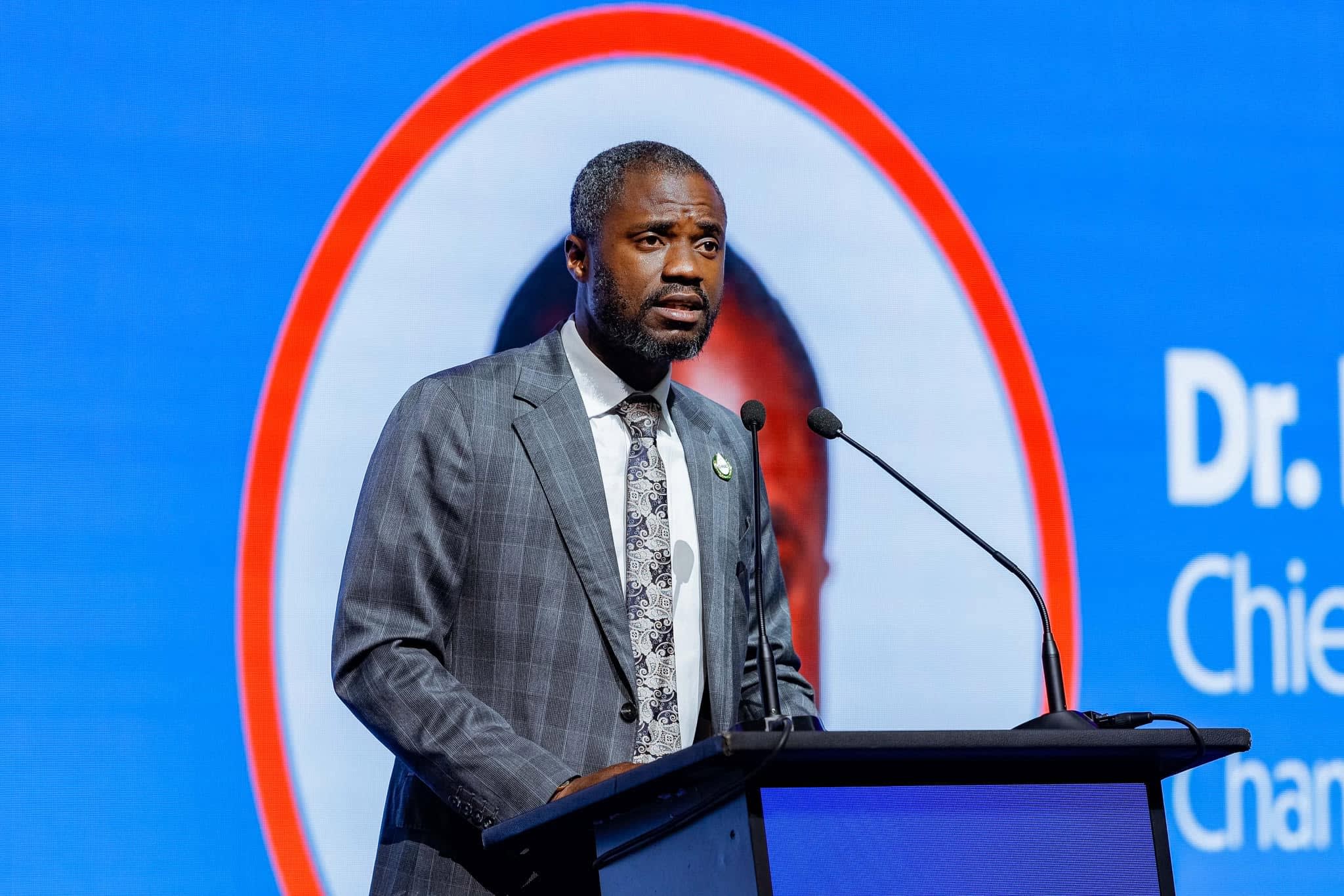
The Chief Executive Officer of the Chamber of Oil Marketing Companies (COMAC), Dr Riverson Oppong, says Ghana's downstream petroleum market is facing one of its most unpredictable periods in recent years, with oil marketing companies adjusting pump prices in ways that depart from the industry's usual pricing pattern.
His remarks come as the government rolls out a GH¢2-per-litre reduction in the regulatory margin on diesel, a temporary measure aimed at cushioning consumers after another round of fuel price increases.
Speaking on the state of the market, Dr Oppong said the volatility has been driven largely by geopolitical tensions involving the United States and Iran, which have unsettled global oil markets and complicated fuel pricing decisions in Ghana.
Oil Marketing Companies Under Pressure
According to Dr Oppong, oil marketing companies initially absorbed rising costs instead of passing them directly to consumers when the conflict erupted.
"When this US-Iran war started, I gave this analysis. The first time we started, we were just three days in a pricing window.
"No single OMC added a pesewa, even though some BDCs were increasing prices. No single OMC added prices." - Dr Oppong
That restraint, he noted, did not last as market conditions deteriorated. "This is the first time in a long time that we've seen OMCs changing prices when we are within a window, and it tells you how probably tight first of all, and how radically volatile the market has been."
Falling Crude Prices Yet High Costs
Although international crude oil prices have retreated from recent highs, Dr Oppong argued that import costs have not eased at the same pace.
"See how we jumped to $100 per barrel, and now we are back to the $70s," he observed, before posing the question many consumers continue to ask.
He explained that crude oil prices are only one part of the equation. Import premiums, freight charges and insurance costs remain elevated, preventing significant reductions in pump prices.
"The premiums are high, they are doubled in the market today due to freight costs and even insurance," he said. "The insurance globally, as we all know, because of this war, has increased."
Calls for a Review of the Pricing Framework
The COMAC CEO also questioned whether Ghana's current biweekly petroleum pricing mechanism is flexible enough to cope with periods of extreme market turbulence.
"This is more reason why I am asking NPA a very simple question. Going to spot pricing, daily changes, is that an option that we want to go, or that two weeks window..." - Dr Oppong
His comments add fresh momentum to the debate over Ghana's fuel pricing framework as industry players grapple with global uncertainty, rising import costs and the challenge of balancing market realities with consumer expectations.
READ ALSO: GSE Composite Drops 166 Points; Year-to-Date Gain Slows to 73.5%