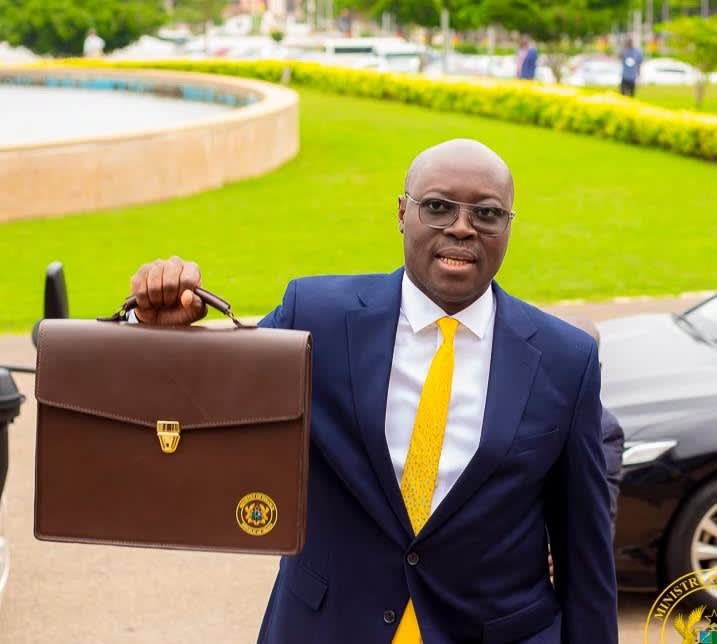
Ghana's 2027 Budget Statement will land before Parliament on November 12, and Deputy Finance Minister Thomas Nyarko Ampem is already signaling that jobs, not just macroeconomic numbers, will carry the day.
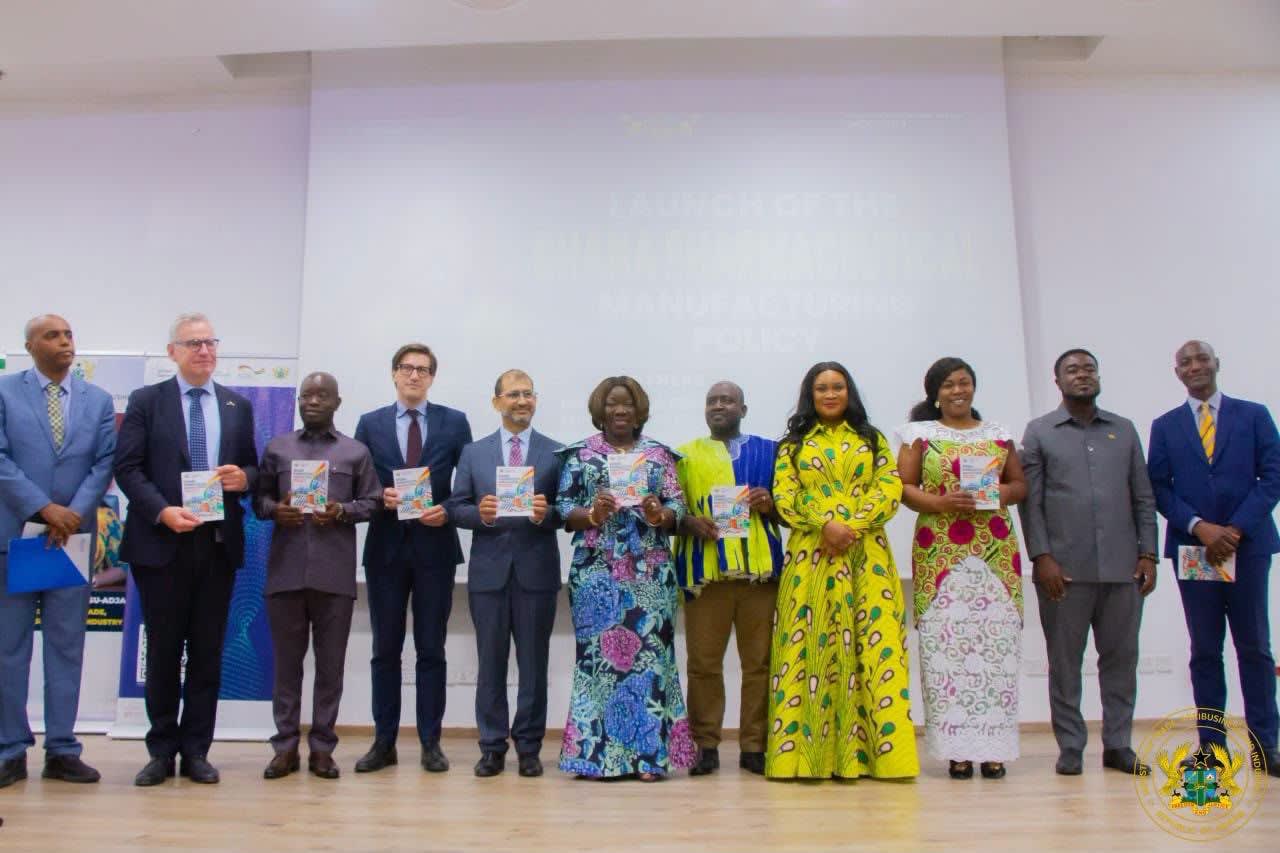
Ampem announced the date at the launch of the Ghana Statistical Service's Ghana in Numbers 2025 report in Accra, framing the budget as the next chapter in government's New Economy agenda, a pivot from stabilising the economy to actually putting money in people's pockets.
"Stability is the foundation. Productivity is the engine. Jobs and prosperity must be the destination," he said.
Good Numbers, Old Problems
On paper, Ghana's economy looks healthier than it has in years. Growth hit 6.00 percent in 2025 and 6.20 percent in the first half of 2026, while inflation has fallen from a painful 23.80 percent in December 2024 down to 5.20 percent by September 2026.
But none of that has translated into enough jobs, and Ampem knows it. Unemployment, informality and a lack of opportunities for young people remain stubborn problems the government can no longer dodge with growth charts alone.
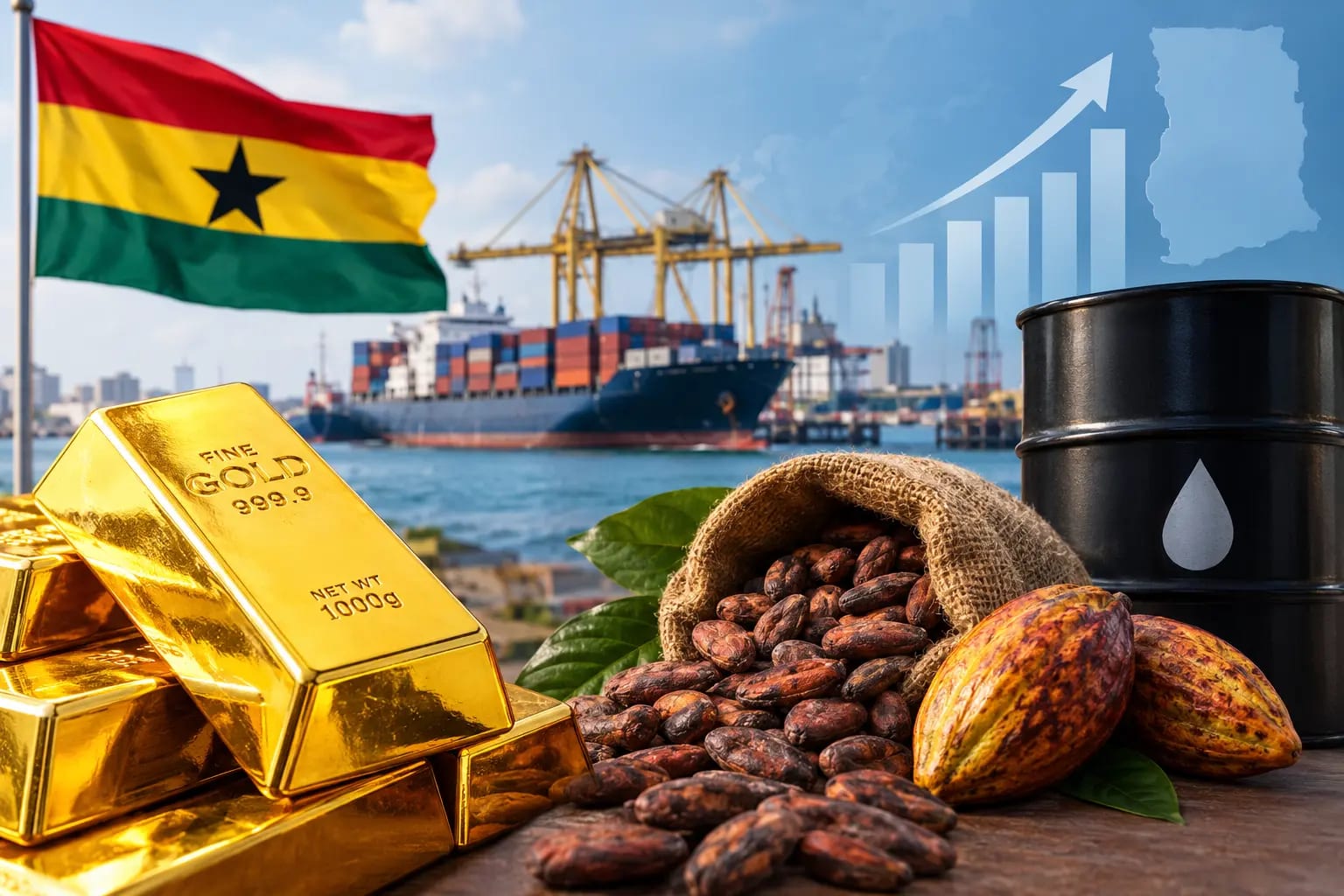
"We must move from exporting raw materials to exporting value and from producing job seekers to nurturing innovators, entrepreneurs and job creators," Ampem said.
A Possible New Theme
Insiders familiar with budget preparations suggest the government may present it under the theme "New Economy, New Ghana: Jobs and Prosperity," though this hasn't been officially confirmed.
The expected sector priorities read like a wish list for broad-based employment: commercial agriculture, agro-industry, energy reforms, critical minerals, textiles and garments, tourism and the creative economy.
Finance Minister Dr Cassiel Ato Forson has already framed the shift in blunt terms during earlier consultations.
"Stabilisation was never the destination. It was the price of entry. Ghana has paid that price," he said. "What comes next is the work that changes lives at scale, the work of transformation."
The $10 Billion Question
President Mahama has floated a figure of roughly US$10 billion in investment across priority sectors under the New Economy programme.
The budget is expected to spell out how that money gets raised, over what timeframe, and who pays for what between government, development partners and private investors.
That detail will matter more than the headline number. Big dollar figures don't automatically translate into jobs unless the budget names actual projects, expected employment outcomes, and who's accountable for delivering them.
Balancing Growth and Discipline
Government is reportedly eyeing growth of about 5.00 percent for 2027 and inflation around 8.00 percent, with a two percentage point tolerance band.
Ato Forson may also trim the primary surplus target to free up room for growth-related spending, a move that could work well if it funds productive investment, but could backfire if it simply feeds recurrent consumption instead.
Overall expenditure isn't expected to stray far from 2026 projections, even as government pushes to complete ongoing infrastructure projects.
That leaves little room for error. Ghana still carries heavy debt-service obligations, limited access to international capital markets and a narrow domestic revenue base, meaning spending quality will matter just as much as spending size.
Sectors to Watch
Commercial agriculture and agro-processing could create jobs well beyond Accra and Kumasi while cutting down food imports. Processing critical minerals locally could keep more value inside the country rather than shipping it out raw.
Textiles and garments offer a path to absorbing young job seekers, while tourism and the creative economy could pull in foreign exchange with fairly wide employment reach.
None of it works, though, without fixing electricity reliability and cost, something Ampem flagged as foundational to every other ambition in the budget.
He also pushed the Ghana Statistical Service to open its statistical dashboard to all Members of Parliament, arguing that better data access would sharpen debate and strengthen policy evaluation.
Come November 12, the real test for Ato Forson won't be whether the numbers look good on paper. It'll be whether Ghanaians can see that growth showing up in actual factories, farms, wages and jobs.
READ ALSO: ADB Profit Before Tax Rises to GH¢478.5m in Nine Months