Ghana is expected to access the final tranche of more than US$318 million under its International Monetary Fund bailout programme immediately after July 27, 2026, subject to approval by the IMF Executive Board.
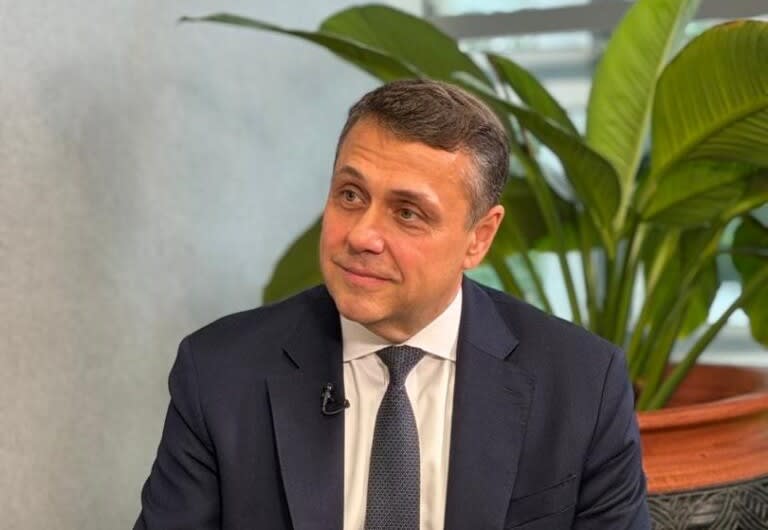
IMF Mission Chief for Ghana, Ruben Atoyan, disclosed that the funds would be released once the Board approves Ghana’s sixth and final review under the Extended Credit Facility (ECF) programme.
“As soon as the board approves Ghana’s final programme, the next day, I will move to sign the payslip for the funds to be released,” Dr Atoyan stated.
According to the IMF Mission Chief, staff of the Fund will soon submit a comprehensive assessment report on Ghana’s economic programme to the Executive Board for consideration.
Once approved, the final tranche is expected to be transferred directly into the account of the Bank of Ghana, bringing Ghana’s total disbursement under the programme to approximately US$3.2 billion.
Dr Atoyan clarified that although Ghana recently reached a staff-level agreement with the IMF in Accra, the ECF programme has not officially ended until the Board completes the review process and approves the final assessment.
IMF Programme Supports Economic Stabilisation
Since signing onto the IMF programme in May 2023, Ghana has received about US$2.8 billion in financial support as of December 2025.
Unlike some previous IMF arrangements that focused heavily on supporting foreign reserves, funding under the current programme has largely been directed toward financing projects and expenditures outlined in the national budget.
According to the IMF, Ghana’s programme has helped deliver “substantial stabilisation gains” through fiscal reforms and progress in debt restructuring.
The Fund noted that the reforms have contributed to lower inflation, stronger foreign exchange reserves, improved confidence in the cedi and significant improvements in debt sustainability.
Fiscal Reforms Remain Critical
Dr Atoyan stressed that Ghana’s recent economic gains must be protected through continued discipline in public financial management and structural reforms.
He explained that improvements in Ghana’s debt trajectory have created additional fiscal space for development spending while helping preserve macroeconomic stability.
The IMF official, however, cautioned that sustaining the recovery would depend on the government’s ability to implement ambitious reforms and manage risks linked to contingent liabilities.
The expected final disbursement comes at a crucial period for Ghana as authorities seek to consolidate economic recovery, maintain investor confidence and transition toward a post-IMF programme environment.
READ ALSO: Ghana Positions Itself at Centre of New Global Financial Markets Era