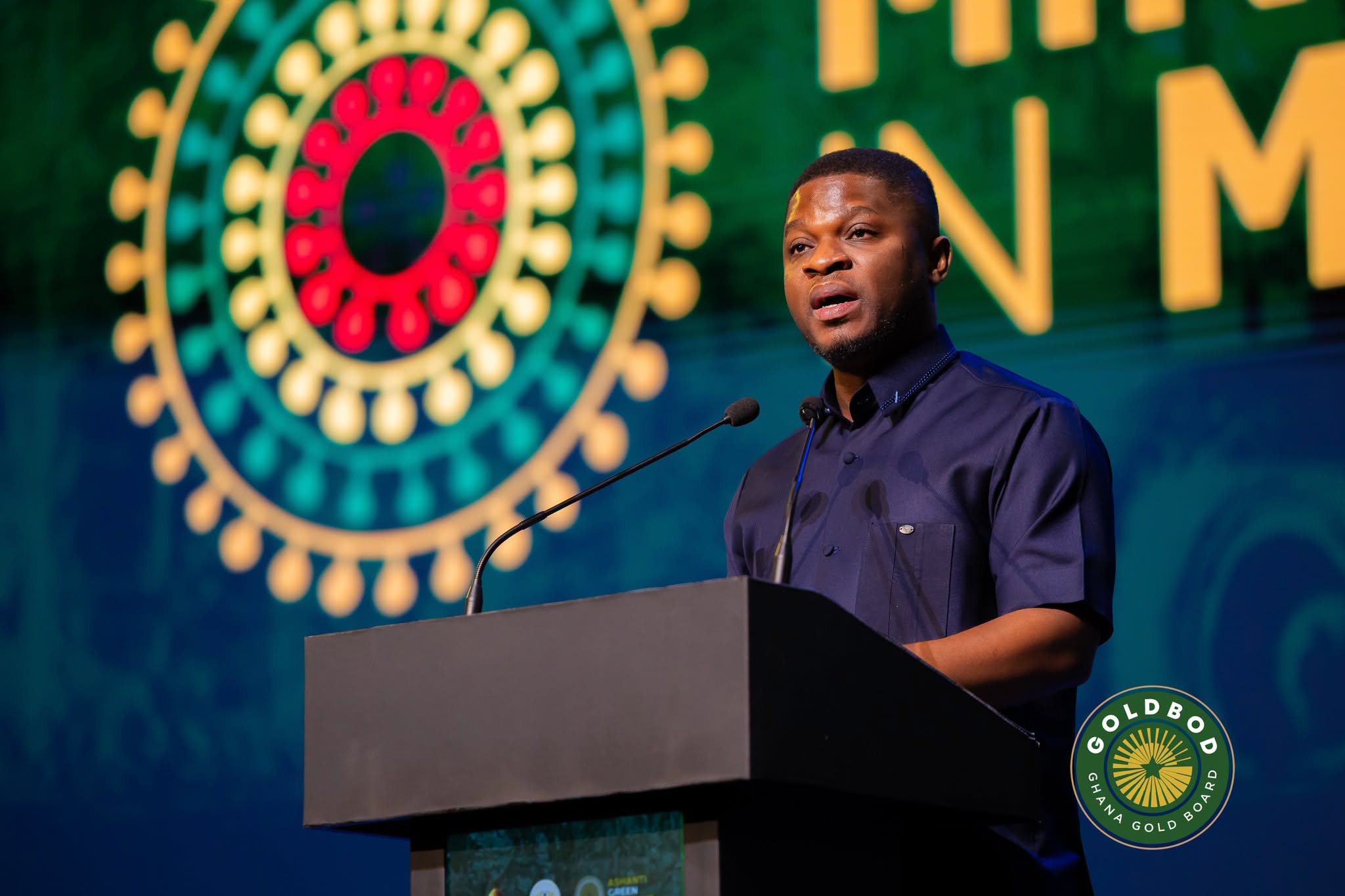
GoldBod reforms have generated 4,866 direct jobs in less than two years, Chief Executive Officer Sammy Gyamfi disclosed, breaking the figure down into 361 public-sector positions and 4,505 private-sector roles created through the board's institutional and licensing overhaul.
Speaking at the African Minerals Policy Forum, Mining in Motion 2026, Gyamfi said the numbers do not even capture the full picture, since the reforms are also opening up indirect employment across the gold value chain, particularly for artisanal smelters, jewellers and young entrepreneurs building businesses around the sector.
Gyamfi pushed back against measuring Africa's mineral wealth purely by extraction and export volumes. For him, the real test is whether mining actually produces jobs, industries, revenue and shared prosperity for the people living around it.
With Africa's youth population growing fast and unemployment running high, he argued that building productive industries tied to mineral resources has become urgent rather than optional.
He wants the benefits of mining to stretch well beyond extraction, covering local processing, refining, equipment supply, financing, engineering and homegrown enterprise.
A New Formalisation Programme for 2027
GoldBod plans to roll out an Artisanal and Small-Scale Mining Formalization and Financing Support Programme in 2027, working alongside the Ministry of Lands and Natural Resources and the University of Mines and Technology, with technical backing from South Africa's Rand Refinery.
The goal, according to Gyamfi, is to lift gold production, mineral revenue and employment while cutting down the operational costs and environmental damage that have long plagued artisanal mining.
He believes small-scale mining done properly, backed by modern technology and real financing, can improve recovery rates, make operations safer, reduce environmental harm and open up genuine opportunities for young people across the continent.
Geological Studies and a Push for Equity
Gyamfi also pointed to the board's Mining Support Programme, which has geological investigations underway with the Ghana Geological Survey Authority at Funsi in the Upper West Region and Bensere in Ashanti.
These studies, he said, are meant to de-risk investment decisions and help Ghana build a stronger, investment-grade portfolio of mineral assets heading into future negotiations.
He argued Ghana must stop settling for free-carried interests and royalties alone, pushing instead for actual equity ownership in mines.
True mineral sovereignty, he said, cannot exist while Africans remain stuck doing low-value work while finance, technology and the most profitable parts of the chain stay in foreign hands.
He called for deliberate policy support to help local enterprises and young professionals become mine owners, geologists, engineers, financiers, processors and traders in their own right.
READ ALSO: Ghana, Norway Sign Oceans for Development Deal on Fisheries Data