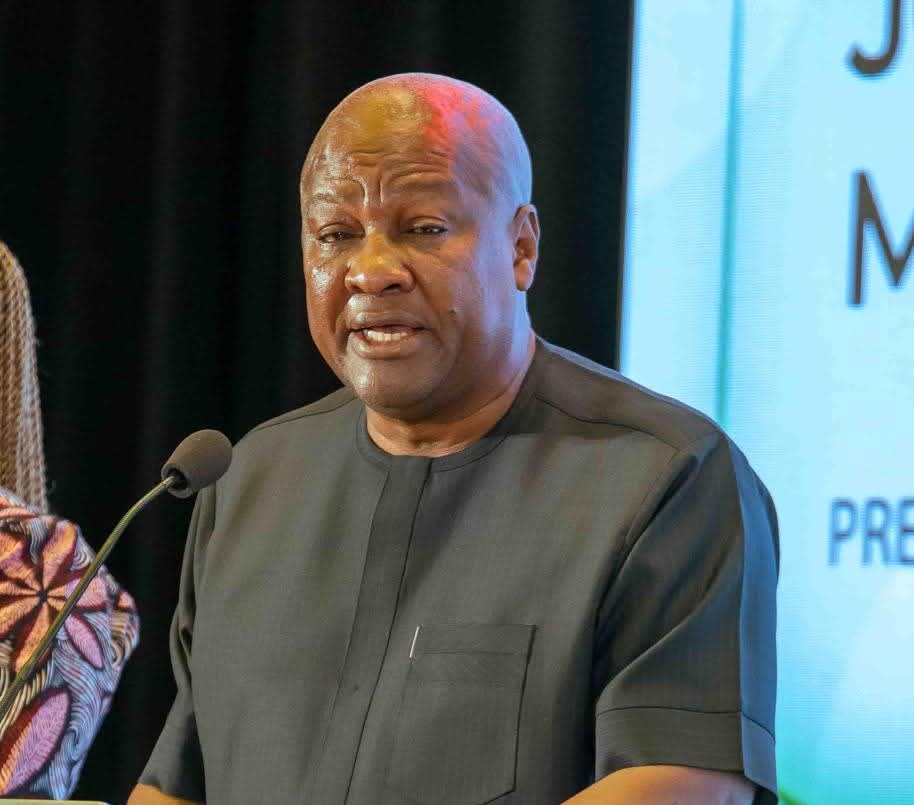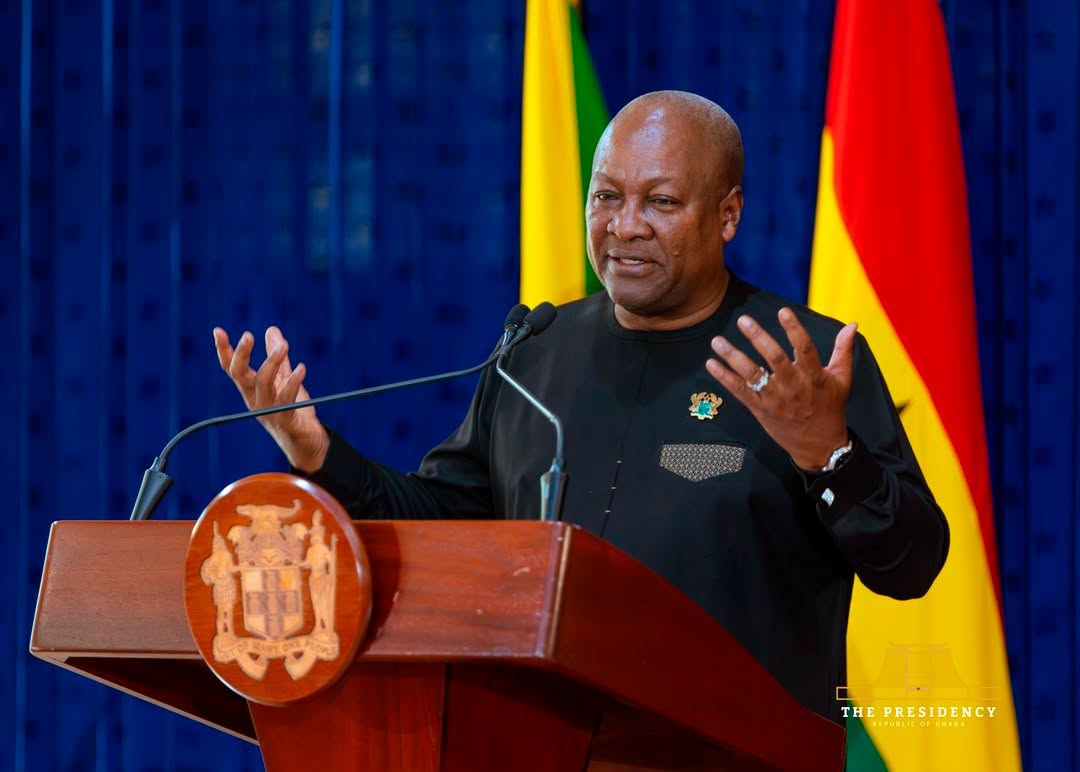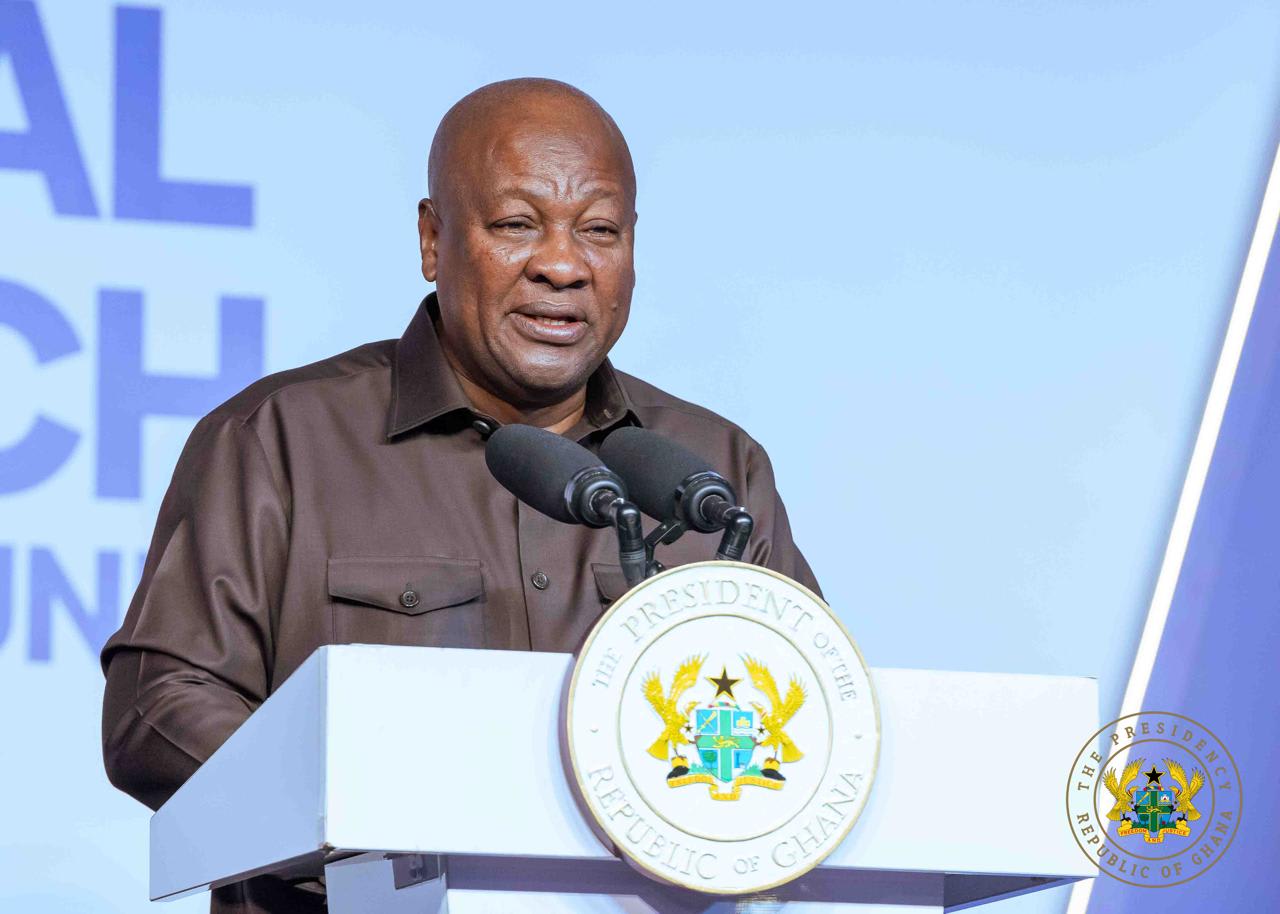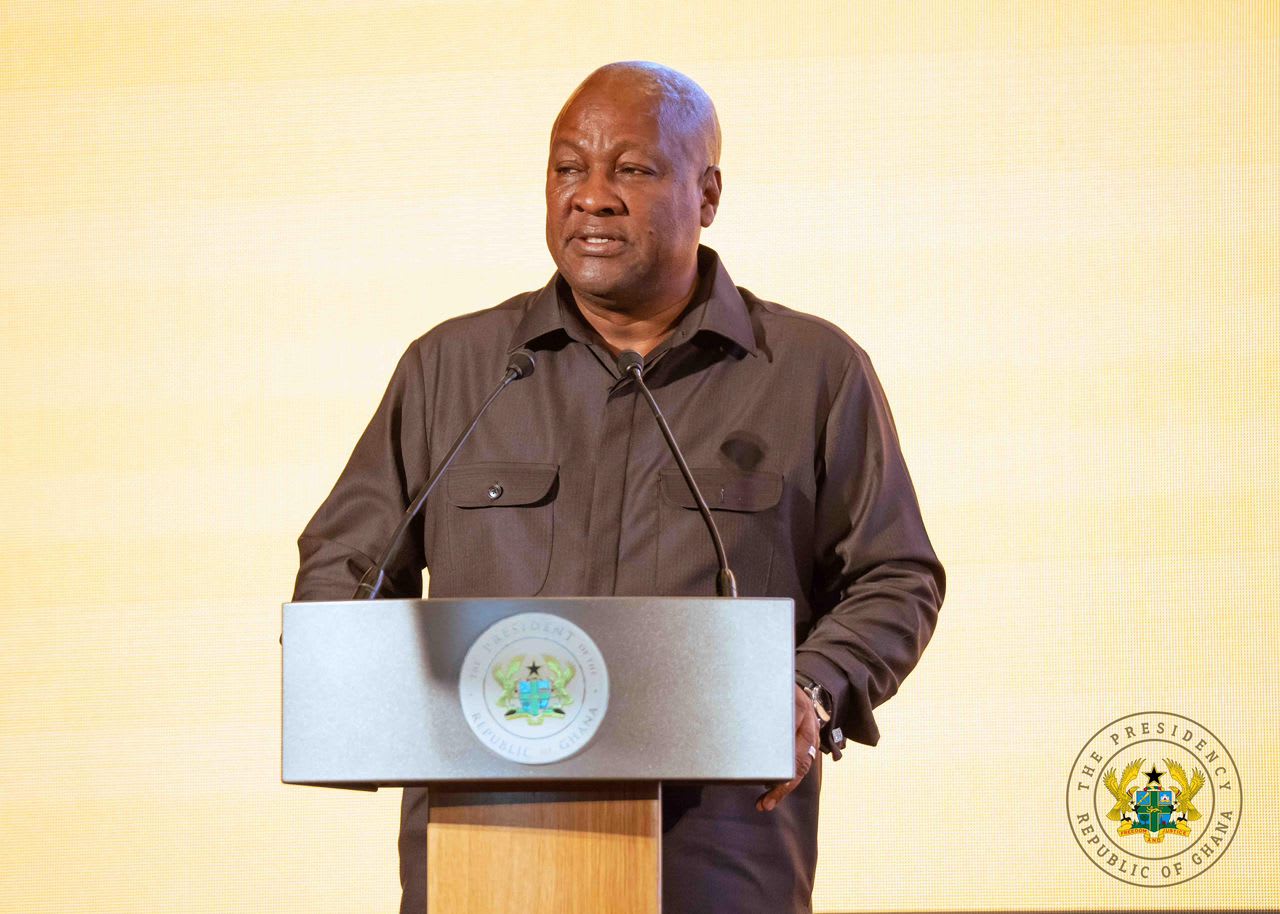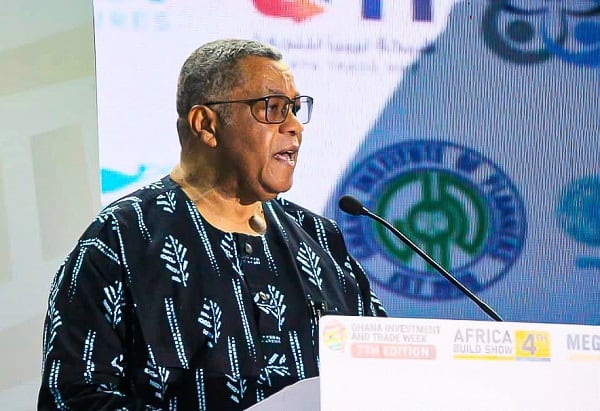
Presidential Advisor and veteran National Democratic Congress stalwart Goosie Tanoh has challenged African leaders to stop measuring success by the volume of minerals shipped overseas and instead focus on building industries that create jobs, transfer technology and strengthen the continent's economies.
Speaking at the opening of the High Level Conference on Governance, Critical Minerals and Conflict in Africa in Accra, Mr Tanoh argued that the global race for critical minerals has handed Africa a rare opportunity.
Whether the continent benefits from it, he suggested, will depend on decisions made now rather than the resources buried beneath its soil.
The conference, organised by the Open Society Foundations, brought together government officials, mining experts, civil society groups, researchers, development partners and private sector representatives to examine how Africa should govern its growing portfolio of critical minerals.
More than a mining conversation
For Mr Tanoh, the discussion extends well beyond geology. "The diverse backgrounds of all of us gathered here today give validation and credence to the reality that critical minerals are not simply geological or mining issues," he said.
He argued that the debate is fundamentally about political choices, asking who controls mineral resources, who benefits from them and what is left behind once mining activities come to an end.
The world, he noted, increasingly depends on minerals such as lithium, cobalt, graphite, manganese, nickel and copper to manufacture electric vehicles, renewable energy technologies, semiconductors, medical equipment and advanced electronics.
Africa possesses many of these resources. Yet the continent continues to export raw materials while importing finished products made from the very same minerals.
"Africa still exports bauxite and imports aluminum products, exports copper and imports wires and cables, and exports lithium, cobalt, manganese, and graphite while importing battery cells and storage systems." - Mr Tanoh
Value addition must become the priority
Mr Tanoh believes Africa's biggest challenge is no longer discovering mineral deposits but deciding what to do with them.
He pointed to the rapid expansion of mineral processing industries elsewhere, noting that countries investing in refining and manufacturing have captured far greater economic value than those exporting raw ore.
"These are commanding positions in individual minerals. They have not yet become commanding positions in the industrial value chains of these minerals," he said.
He urged African governments to prioritise beneficiation, mineral processing and manufacturing rather than relying on extractive industries alone.
"The rest of this 21st century must be about more than exporting ore.
"It must include beneficiation, value addition, the production of alloys, battery grade chemicals, and manufactured products." - Mr Tanoh
AfCFTA and Ghana's industrial agenda
Mr Tanoh described the African Continental Free Trade Area as central to achieving that vision, arguing that no single African country possesses every resource required to build complete mineral value chains on its own.
"Africa, however, together has most of the basket. The African Continental Free Trade Area has therefore become our industrial backbone and not another failed treaty of words without deeds." - Mr Tanoh
He also linked Ghana's proposed 24 hour economy to industrial expansion, explaining that the concept goes beyond extending working hours.
"A 24 hour economy is not merely about working at night. It is about productive systems that function reliably around the clock," he said, stressing the need for dependable electricity, transport, ports, finance and digital infrastructure.
Communities must share the benefits
Industrial growth, Mr Tanoh cautioned, cannot come at the expense of good governance.
He called for transparent licensing, stronger environmental safeguards, fair taxation and greater public accountability throughout the mining sector.
"Industrial ambition does not excuse weak governance. It makes good governance even more urgent," he said.
He also urged governments to involve communities before major mining decisions are taken and called for greater participation by women, young people and artisanal miners across mineral value chains.
Concluding his address, Mr Tanoh said Africa should begin judging its mineral wealth differently.
"The measure of success must be different. How much value is added in Africa? How many decent jobs are created? How much technology is transferred? How do communities share in the benefits?" he asked.
His message was unmistakable. Africa's future should not be defined by what leaves its ports as raw ore, but by what its factories, engineers and workers produce long after the minerals have been mined.
READ ALSO: Ghana’s Youth Population Surges 37%, while Job Scarcity Threatens Economic Growth