The government of Ghana is considering light rail network as a long-term replacement for the Aayalolo bus contra-flow system currently operating on some of the capital’s busiest commuter corridors.
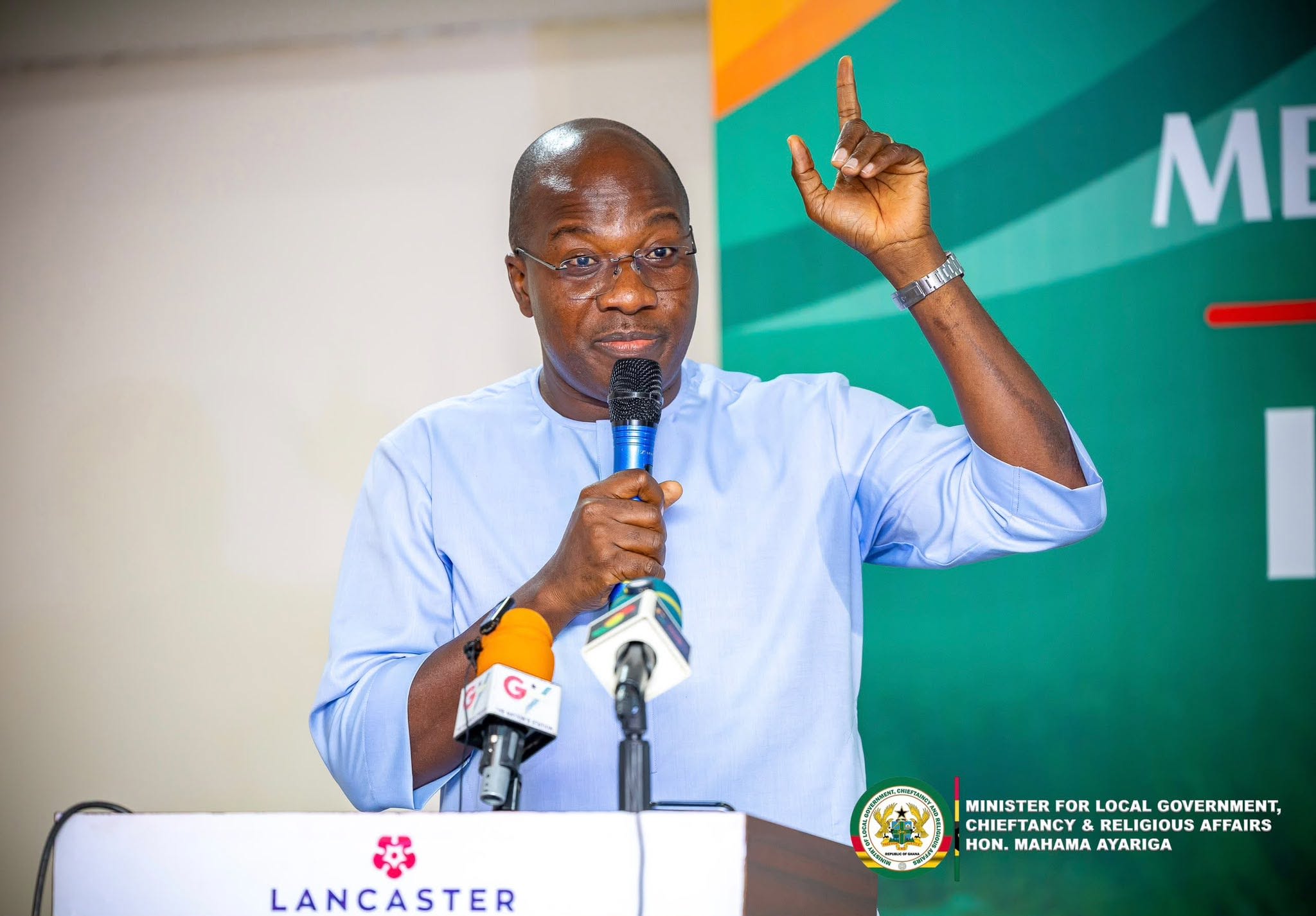
Minister for Local Government, Chieftaincy and Religious Affairs Mahama Ayariga says President John Dramani Mahama has asked him to begin discussions on the feasibility of light rail services along four major routes used by commuters travelling into and out of Accra.
Ayariga said the President views the existing contra-flow system as useful but believes Accra needs a more permanent mass transit solution as traffic pressure continues to grow.
Talks with Railway Authority to begin
In an interview on Wednesday, November 4, Ayariga said he was beginning discussions with the Ghana Railway Development Authority on how such a system could be developed.
“The President said, ‘contra-flow is good, but look at light rail as your more permanent solution going into the future,’” he said.
“And so I am commencing conversations with the Railway Authority for us to see how we can begin to look at light rail along the four major routes that bring in a lot of the people in and out of the city.” - Mahama Ayariga
The proposal is still at the exploratory stage, with no construction timeline, financing arrangement or detailed route design announced.
It nevertheless signals that government is looking beyond road-based interventions as Accra struggles with persistent congestion during peak periods.
Aayalolo system cuts travel times
The Aayalolo contra-flow arrangement was introduced to give high-capacity public buses priority on selected routes into Accra.
During designated periods, the buses are allowed to travel in lanes temporarily operating against the normal direction of traffic, helping them bypass queues that can leave commuters stuck for long periods.
The intervention has shortened journey times on some routes and is intended to make public transport more attractive to commuters who would otherwise rely on private vehicles or conventional commercial buses.
Its operation, however, remains tied to existing roads, traffic controls and the deployment of personnel to manage the dedicated lanes.
A light rail system would represent a much larger infrastructure commitment, separating mass public transport from much of the road congestion affecting buses.
For now, government’s immediate task will be determining whether the proposed rail corridors are technically and financially feasible, and how they could fit into Accra’s existing transport network.
READ ALSO: Ghana Needs 15 years for Economic Transformation – Prof. Bokpin