The government has laid the NPA Bill 2026 before Parliament, seeking to amend and consolidate the laws governing Ghana’s petroleum downstream industry.
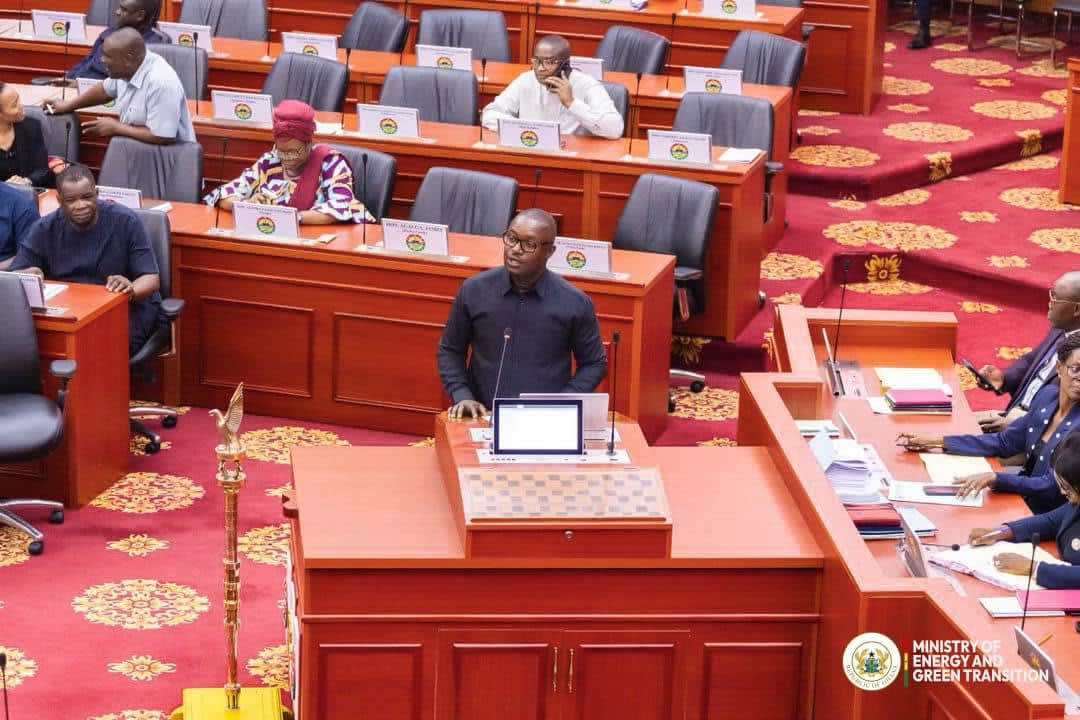
Minister for Energy and Green Transition John Jinapor presented the bill to the House on Thursday, November 19, saying the current legal framework no longer fully reflects changes in the sector.
The move comes after concerns raised by the Alliance for Accountable Governance that aspects of the proposed legislation could weaken the financial and operational position of the Bulk Oil Storage and Transportation Company.
Bill to replace current law
Mr Jinapor said the legislation is intended to replace the existing law and respond to developments that have taken place in the downstream petroleum market.
“This bill is expected to replace the current act,” he told Parliament.
He pointed to the expansion of refining capacity, rising fuel consumption and the growing role of renewable energy as reasons for updating the law.
“We now have about four different refineries. Fuel consumption is increasing. Renewable energy is forming part of Ghanaian petroleum consumption,” he said.
According to the minister, those changes mean Ghana needs a regulatory framework that better reflects current conditions in the sector.
Draft inherited from previous administration
Mr Jinapor also told Parliament that the draft bill was not started by the current government.
He said the proposal had been inherited from his predecessor and subjected to further consultations before being brought before the House.
“I inherited a draft bill from my predecessor. We’ve gone through extensive consultation, and we are convinced that, where we’ve gotten to, we need to lay this bill,” he said.
The proposed legislation is expected to become the main framework for regulating downstream petroleum activities if approved by Parliament.
Its introduction is likely to draw further scrutiny over how the new structure affects state-owned institutions, petroleum infrastructure and the wider downstream market.
READ ALSO: CEMSE Calls on Gov’t to Review Ghana’s Fuel Marking Programme Over Cost and Duplication