President John Dramani Mahama says Ghana’s gold royalty reform has generated GH¢7.8 billion from large-scale mining companies since the introduction of a sliding-scale system in 2026.
Speaking at the West Africa Integration and Investment Summit in Sierra Leone, the President said the new framework replaced older arrangements that fixed royalty payments at 3% under some development and stability agreements.
Under the revised system, royalty rates now move with prevailing gold prices, starting from 5% when prices are low and rising to as much as 12% when prices increase.
“So today I said, No, we cannot have that. Let us switch to a sliding scale,” President Mahama said.
He added that with gold prices remaining high, government is currently collecting royalties at the upper end of the scale.
“Since the law was passed this year, large-scale gold has paid GH¢7.8 billion in royalties,” he said.
Mahama calls for review of mineral agreements
The President argued that African countries need to reassess mineral agreements that allow substantial value to leave the continent while mining communities see limited economic benefits.
“From our colonial inheritance, we were taught that people come and ask for concessions, we sign a concession, a 30-year concession, and where does the value go? It goes to build wealth in other jurisdictions.” - President Mahama
He said governments should structure mineral agreements to secure greater returns, investment and employment for their citizens.
“We must look at all these mineral rights again and see how we invest in order that it benefits our people,” he added.
Gold Board cited as another reform
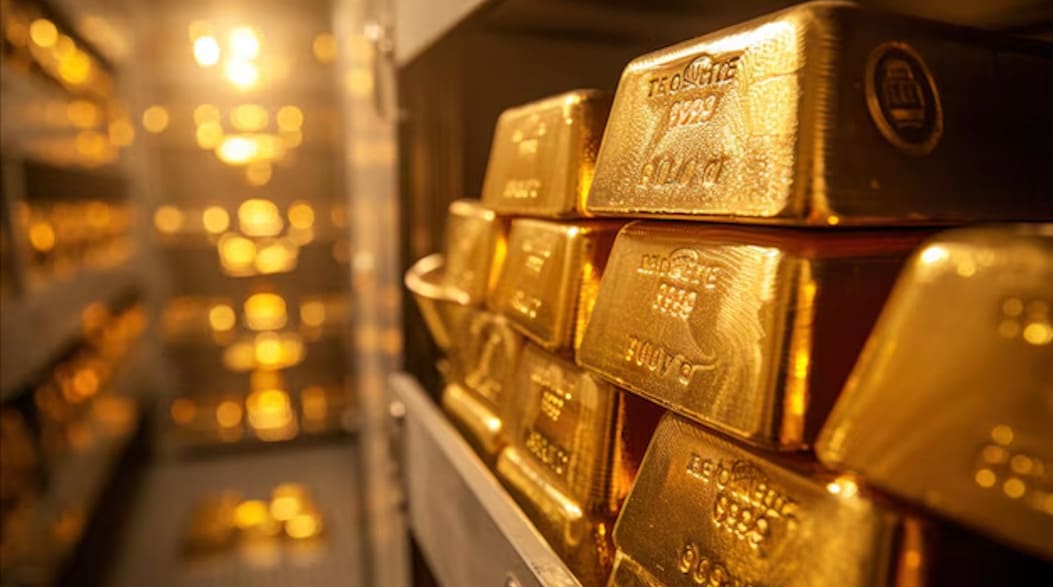
President Mahama also pointed to the Ghana Gold Board as part of efforts to retain more value from artisanal and small-scale mining.
According to him, gold production from the sector increased from 64 tonnes valued at US$4.6 billion in 2024 to 104 tonnes worth US$10.8 billion after the Gold Board law was introduced.
The law requires gold exports covered by the regime to pass through the Gold Board, with penalties for violations.
President Mahama said the wider objective is to change how African countries manage their natural resources.
“African minerals must be a source of wealth and prosperity for African people,” he said.
He argued that mineral-producing countries should use stronger regulation, local value addition and better fiscal arrangements to ensure resource wealth translates into jobs, investment and improved living standards.
READ ALSO: Ghana Cedi’s Year-to-Date Depreciation Widens to 10.6% in November