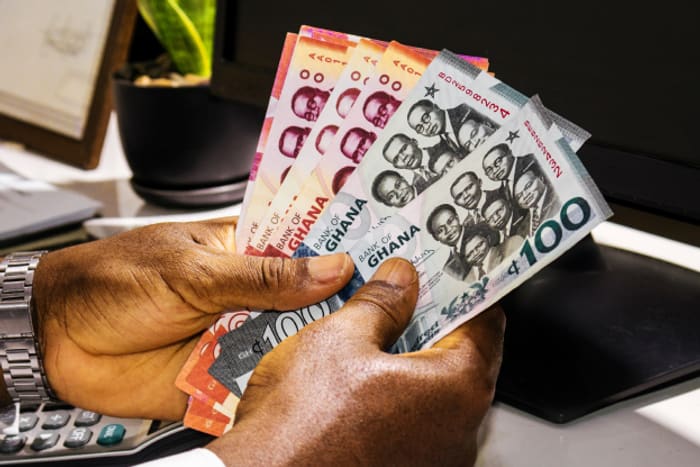
The cedi depreciation against the US dollar widened to 10.6% in November 2026, adding to renewed concerns over foreign exchange supply and the outlook for imported inflation.
The latest Bank of Ghana data show the local currency trading around GH¢11.69 to the dollar, compared with roughly GH¢11.55 to GH¢11.71 in recent months. In September, the cedi’s year-to-date depreciation stood at 9.5%.
The currency also remained under pressure against other major international currencies.
The cedi recorded losses against the British pound and euro, with the local currency trading around GH¢15.47 to the pound and GH¢12.92 to the euro during the period.
The depreciation comes after a year of uneven currency performance, marked by periods of recovery followed by renewed pressure as demand for foreign exchange picked up.
Foreign exchange interventions by the Bank of Ghana have provided some support, but analysts expect the balance between dollar demand and supply to remain important going into 2027.
Fitch sees further pressure next year
Fitch Solutions expects the cedi to average GH¢12.40 to the US dollar in 2027.
Associate Director Mike Kruiniger said lower foreign currency inflows could weaken the local currency and reintroduce price pressures.
“We expect to see the currency weaken a little bit, and that is going to bring back some important price pressures next year,” he said.
Fitch links the outlook partly to an expected moderation in international gold prices and government’s reserve accumulation programme.
Lower gold prices could reduce export earnings, while efforts to rebuild reserves may leave less foreign currency circulating in the domestic market.
“We think there will be a little less foreign currency flowing into the domestic market next year, which will create some pressure on the cedi,” Mr Kruiniger said.
A weaker cedi would raise the local cost of imported goods, industrial inputs and other foreign currency obligations, with potential implications for inflation and business costs in 2027.
READ ALSO: Ato Forson Courts Investors for US$10bn New Economy