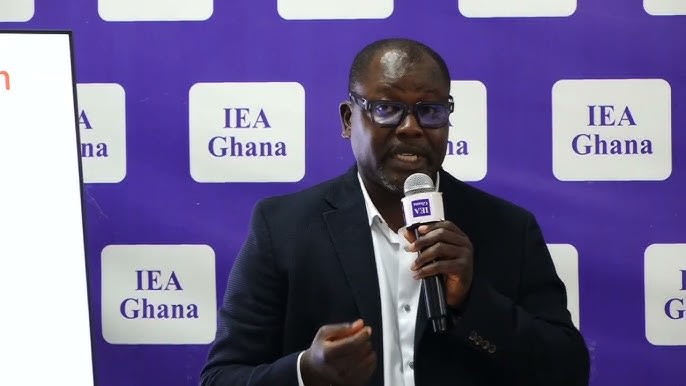
The Institute of Economic Affairs has warned that Ghana’s gold dependence is becoming a policy risk despite the role higher gold exports have played in supporting foreign exchange inflows, reserves and the cedi.
Reviewing the 2026 Mid Year Budget, the IEA acknowledged that the Ghana Gold Board has contributed to increased gold exports and foreign currency inflows, helping strengthen reserve accumulation and exchange rate stability.
But relying too heavily on one commodity to hold those gains together could prove dangerous if market conditions turn.
“The overreliance on gold to achieve these goals presents a serious policy dilemma,” the Institute said.
Ghana’s gross international reserves stood at the equivalent of five months of import cover by June 2026, while the cedi remained relatively stable following restructuring measures and tighter monetary conditions.
GoldBod Role Should Evolve
The IEA wants GoldBod’s role to change over time.
Rather than operate primarily as a gold trader, the Institute argues that the agency should become what it calls a strategic asset manager with a broader mandate focused on maximising national value.
It proposed eventually raising the mandatory share of large scale mining output sold through the state framework from 30% to 50% once the existing policy stabilises.
The Institute also raised concerns about the reported US$1.7 billion quasi fiscal loss associated with gold transactions in 2025, saying it should be brought onto the government’s balance sheet in line with the IMF’s recommendation.
GoldBod, the IEA cautioned, should also draw lessons from problems encountered by similar institutions elsewhere.
“GoldBod must not repeat these mistakes,” it said, referring to concerns around transparency, price manipulation and governance identified in the experience of Guyana’s gold trading system.
Broader Export Strategy Needed
The IEA argues that Ghana cannot build lasting currency stability on gold alone.
It wants government to complement gold exports with stronger export promotion, import substitution, enforcement of foreign exchange regulations and greater Ghanaian ownership of productive assets.
The Institute is also proposing a more radical rethink of the country’s natural resource regime.
Instead of depending primarily on royalties, it wants Ghana to explore structures that give the state stronger ownership and allow mining companies to operate resources on its behalf.
That, it argues, could help Ghana retain more revenue while expanding local processing and value addition.
The underlying concern is straightforward. Gold has helped Ghana rebuild reserves and stabilise the currency, but a commodity price reversal could expose the fragility of that progress.
For the IEA, the safer route is diversification before market conditions force the issue.
READ ALSO: Africa's Battery Industry Will Fail Without Macroeconomic Stability - Dr Ato Forson