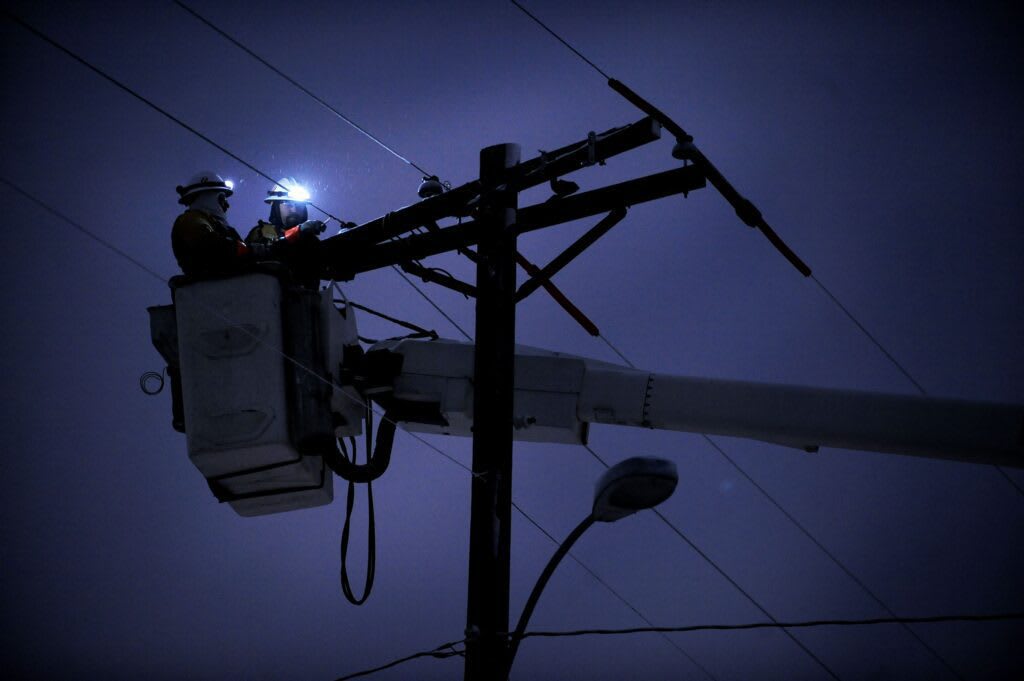
The government has successfully wiped out roughly $1.47 billion in energy sector legacy debt, signaling a massive financial turnaround for a grid historically paralyzed by unpaid bills.
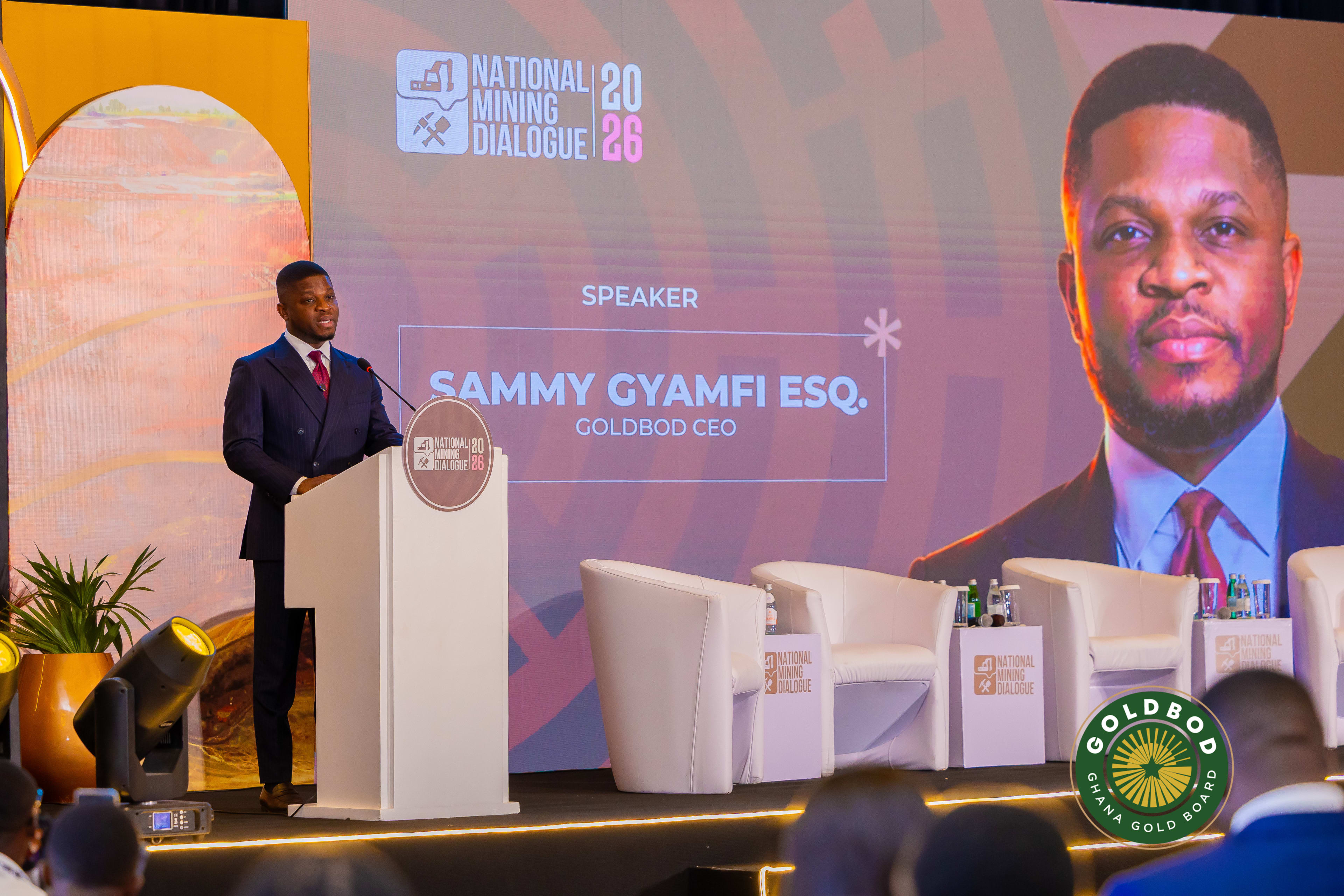
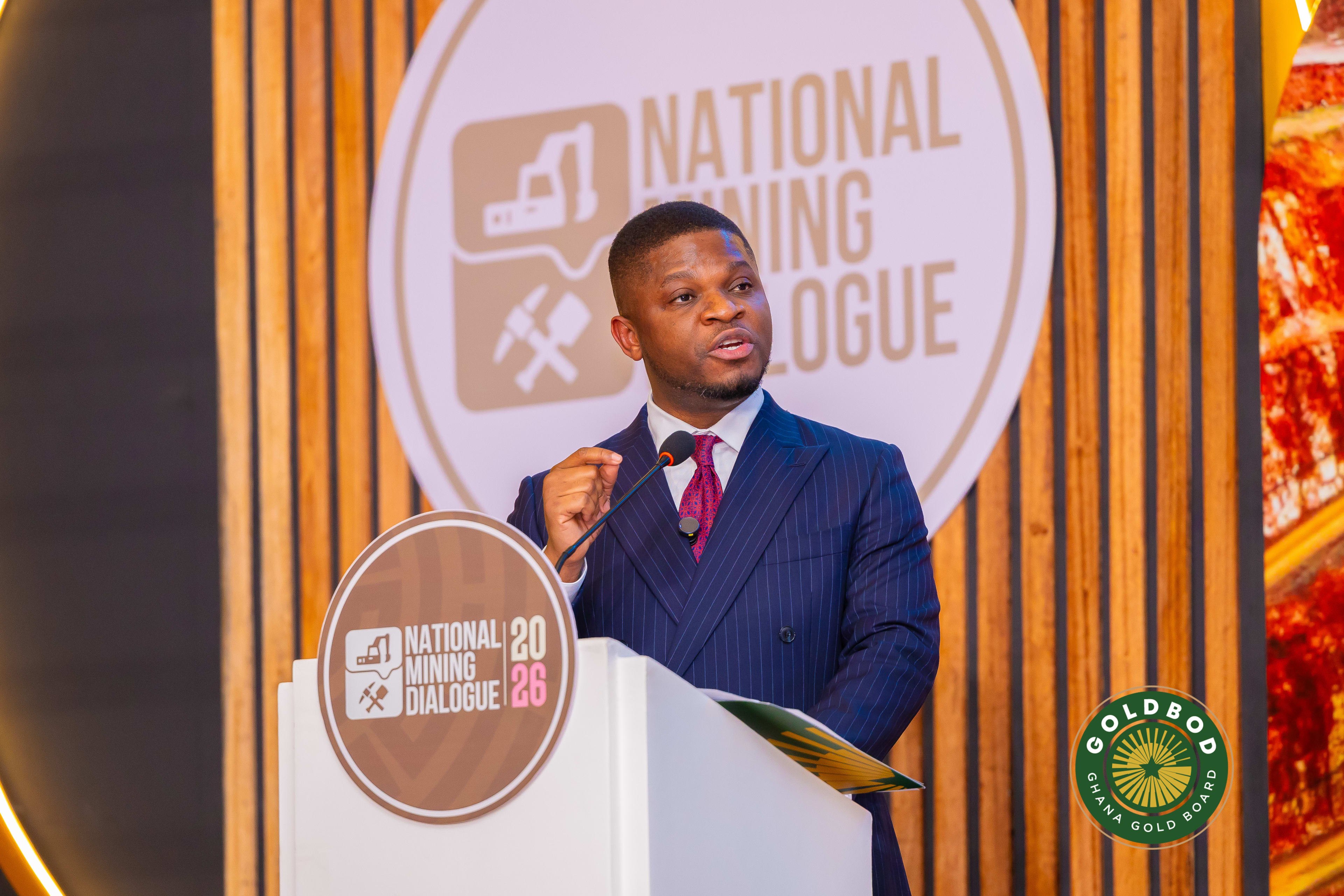
Addressing journalists in Accra on Thursday, the Minister for Energy and Green Transition, Dr John Abdulai Jinapor, revealed that strategic interventions have finally stopped the financial bleeding across the power value chain.
A major chunk of the financial relief came from a deliberate operational pivot, with the state saving approximately $500 million simply by shifting power generation away from heavy, expensive liquid fuels toward much cheaper natural gas.
IPP Renegotiations and Arrears
Beyond fuel savings, state negotiators went back to the drawing board with Independent Power Producers. The resulting contract renegotiations slashed another $250 million off the national burden.
Dr Jinapor painted a stark picture of the inherited mess, noting that the outstanding obligations stood at a staggering GH¢80 billion when the current administration took over.
"We have also negotiated with the IPPs, and we have saved about $250 million again from them," the minister noted. "So clearly we are making significant progress."
Fixing the Cash Waterfall Mechanism
The real game changer has been the total overhaul of the Cash Waterfall Mechanism. Previously, the revenue distribution system was completely starved of liquidity, leaving generating companies scrambling for scraps.
Dr Jinapor explained that prior to the recent interventions, barely 6 billion was declared monthly into the mechanism, meaning private producers were recovering just 42% of their costs. That systemic failure is now a thing of the past.
"Because of the work we did together and the policy reforms that we implemented, today we declare close to about 15 billion every month into the Cash Waterfall mechanism and almost all the IPPs receive about 100% of the invoice bills," he stated. "So we are not billing arrears like it used to be."
These structural improvements reflect a broader government push to finally stabilize the grid, guarantee long-term financial sustainability, and ultimately drive down the fundamental cost of keeping the lights on in Ghana.
READ ALSO: NCA Boss Charges Journalists to Anchor Public Trust in the Age of Digital Media