The rapid transformation of how news is produced and consumed should never compromise the core ethical foundations of journalism.
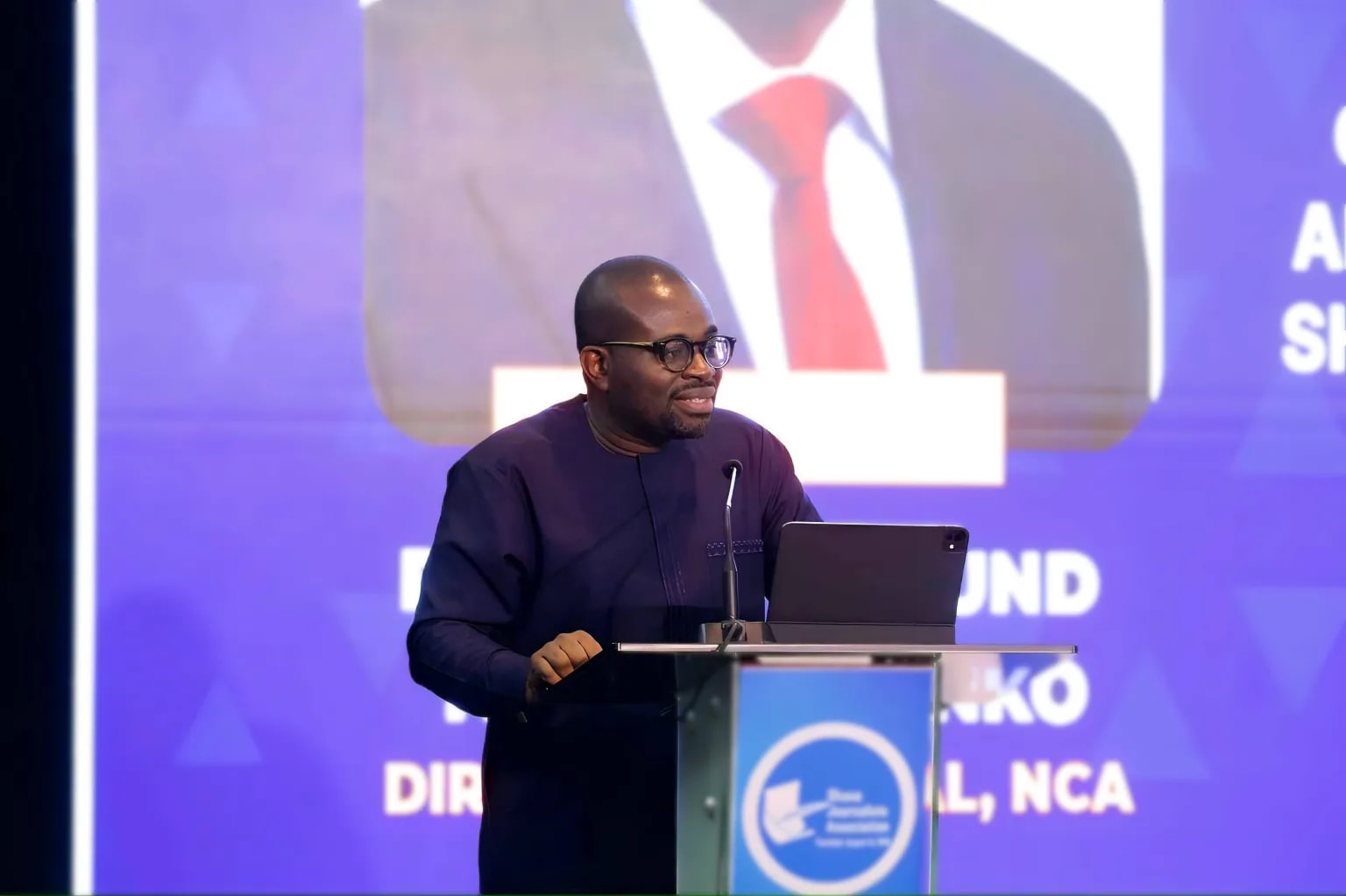
That is the message from the Director General of the National Communications Authority, Rev. Ing. Edmund Yirenkyi Fianko, who is challenging media practitioners to firmly anchor public trust through strict accuracy and fairness in the era of digital media.
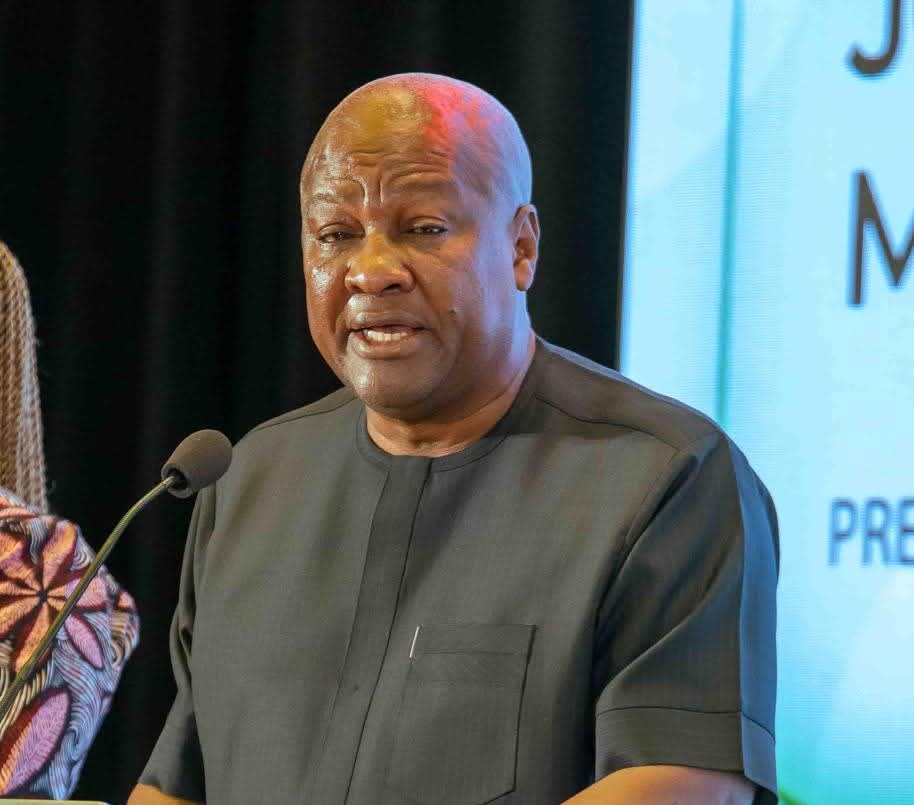
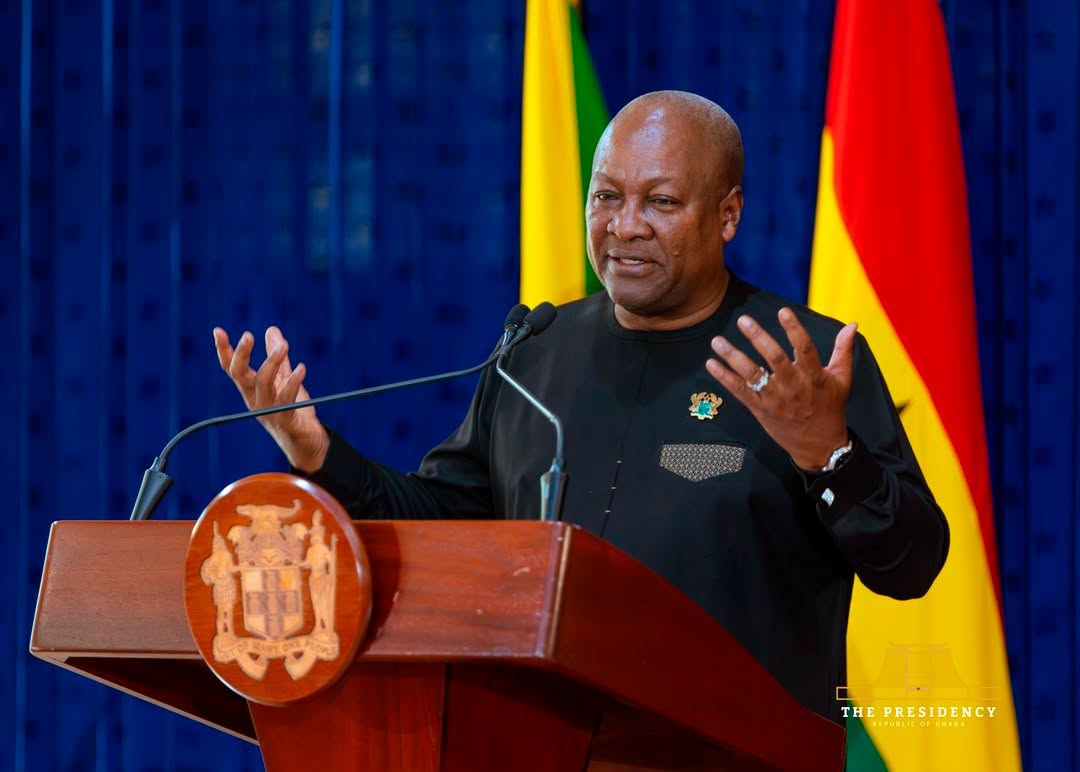
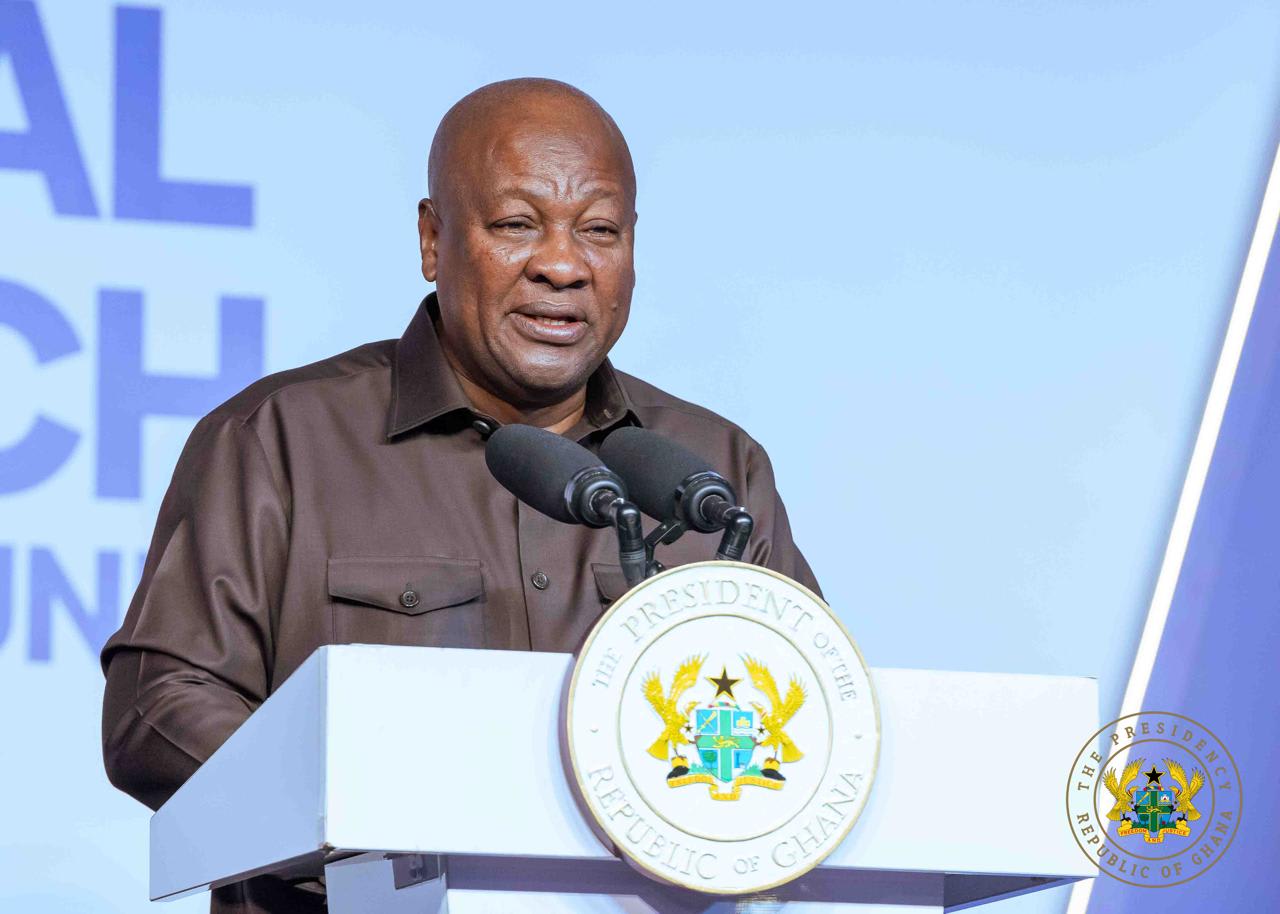
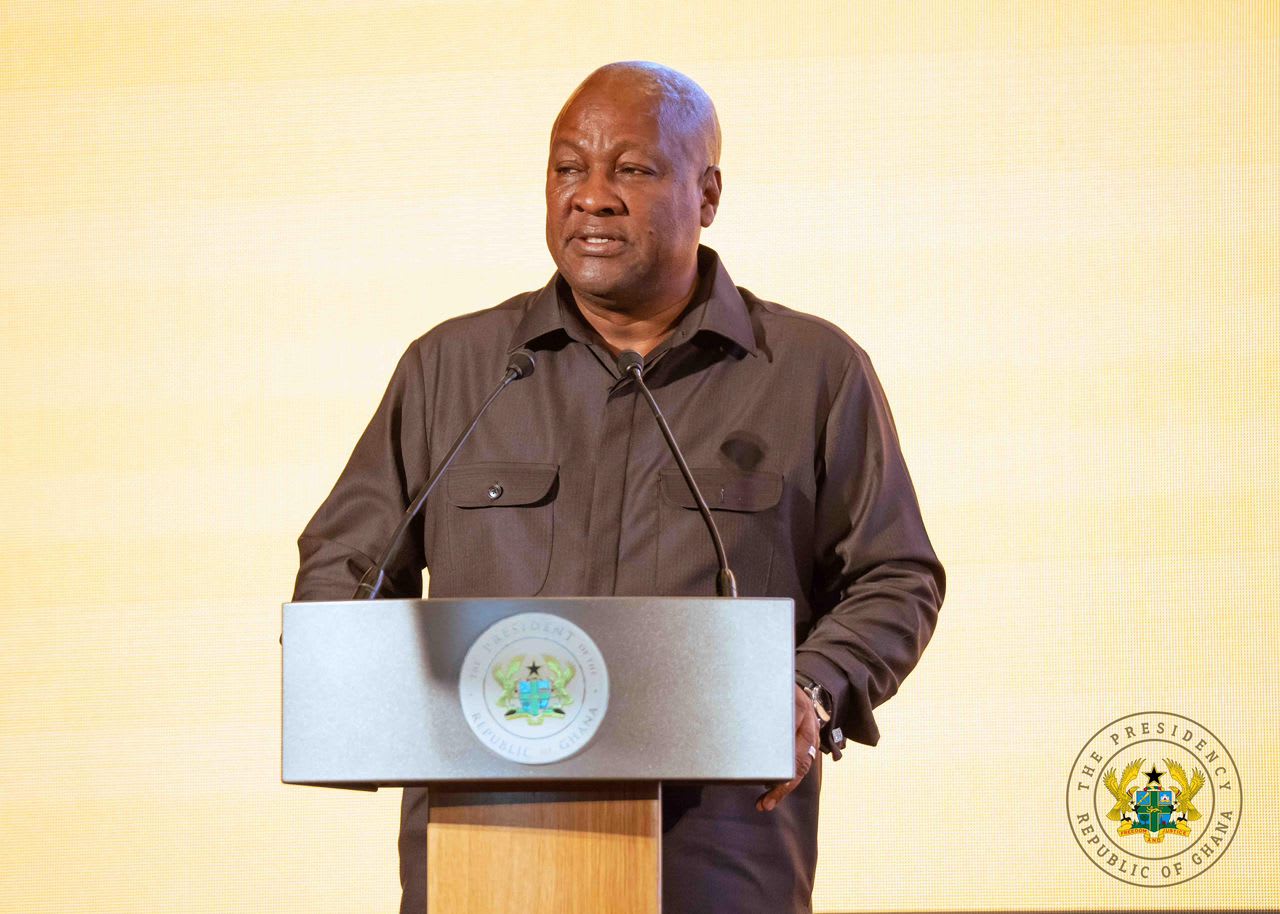
Speaking in Accra at the British Council during the 77th Anniversary Symposium of the Ghana Journalists Association, the regulatory chief painted a vivid picture of the changing communication environment.
He observed that technology will constantly shift the ground beneath the feet of newsrooms, yet the essential public purpose of the profession remains permanently locked in place.
“Let trust remain the profession’s most valuable heritage. Platforms will change, devices will change, business models will change, but the public’s need for information that is accurate, fair and responsibly presented will remain,” Rev. Ing. Fianko told the gathering of veteran and upcoming reporters.
Bridging the Connectivity Divide
For digital media to truly serve the entire nation, the underlying electronic infrastructure must be both robust and widespread.
Rev. Ing. Fianko pointed out that the regulatory agency carries the heavy responsibility of managing spectrum allocations and authorizing the communication networks that keep modern journalism alive.
Guaranteeing quality connectivity across all regions means a reporter stationed in a remote district gets the exact same operational advantage as a broadcaster sitting in a modern studio in the capital.
“A journalist in a rural community must be able to gather and transmit a story as effectively as a journalist in Accra.
"Closing the digital divide is therefore not only an economic or technological objective; it is essential to inclusion, civic participation and democratic life.” - Rev. Ing. Fianko
Holding Network Operators Accountable
Addressing persistent public frustrations over dropped calls, sluggish internet speeds, and dead zones in rural communities, the Director General confirmed that his outfit is keeping a very close eye on mobile network operators.
He revealed that engineers are currently expanding capacity at older transmission sites while simultaneously rolling out massive new infrastructure projects across the country.
With more than 500 new transmission locations under construction this year alone, the regulatory body is promising much tighter monitoring.
Operators who fail to deliver on these required upgrades will face strict accountability measures to ensure consumers get the quality of service they pay for.
Clear Regulatory Boundaries
Touching on the delicate balance of state regulation, Rev. Ing. Fianko was quick to draw a firm line between managing telecommunications infrastructure and policing free speech.
He stressed the constitutional sanctity of media freedom, clarifying that the communications authority has absolutely no business dictating editorial content or journalistic standards. That specific oversight mandate belongs entirely to the National Media Commission.
He assured the journalism community that any intervention by the telecom regulator would always be grounded in clear legislation, entirely transparent, and fully respectful of the distinct democratic roles assigned to different state institutions.
Wrapping up his address, he praised the national press association for an impressive 77 years of defending free expression and urged members to aggressively embrace technological innovation without ever sacrificing the ethical compass that sustains public confidence.
READ ALSO: GES Interdicts Two Watchmen Over Alleged Sexual Assault at Bolgatanga Girls SHS