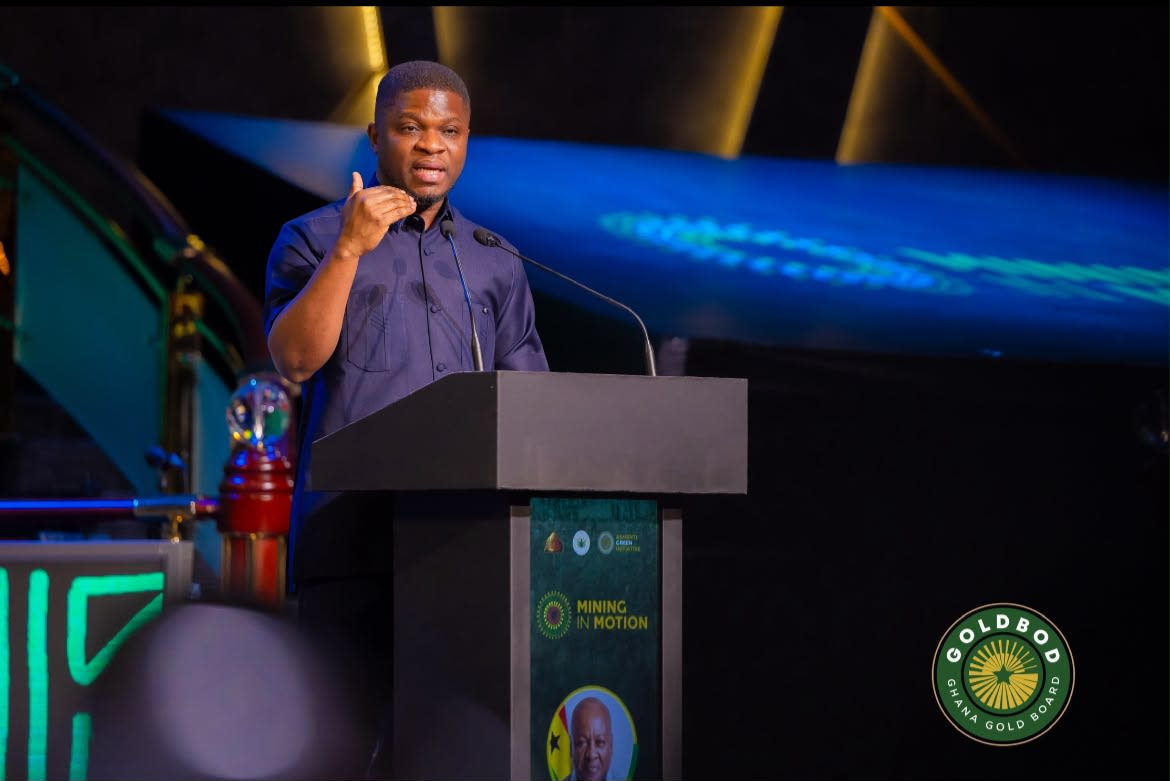
Energy and Green Transition Minister Dr John Abdulai Jinapor is pushing for deeper regional oil trade, arguing that Ghana and its neighbours can reduce their exposure to global supply shocks by buying more crude oil and natural gas within West Africa.
Dr Jinapor said the conflict between the United States and Iran had exposed how events far from Ghana can quickly feed into domestic fuel prices, even when the country has no role in the dispute.
“The conflict between the US and Iran, we are not part of it. We did not ask for anybody to fight.
"We were sitting here peacefully. They decided to engage in a conflict. And we are the ones suffering the most.” - Dr Jinapor
His argument is that greater trade between African energy producers and consumers could provide some protection from disruptions around major international shipping routes such as the Strait of Hormuz.
Nigeria Crude Could Reach Ghana Within Days
Dr Jinapor said he had asked the Director of Petroleum at the ministry how quickly crude oil could be transported from Nigeria to Ghana.
The answer, he said, was between 24 and 48 hours.
“We won't go through the Strait of Hormuz. We are not affected by what happens there if we decide to trade amongst ourselves within the sub region,” he said.
The minister questioned why African countries frequently turn to distant suppliers when neighbouring economies may already produce what they need.
“How can we ensure that if Nigeria needs salt, it doesn't go to Brazil? If Ghana needs gas, we don't need to go outside,” he said.
Ghana already receives natural gas from Nigeria through the West African Gas Pipeline. Dr Jinapor said supply had remained consistent since the current government assumed office, while Ghana had sought to keep up with payments.
That relationship, he argued, shows what stronger regional energy cooperation could look like.
Local Refining Becomes Part of Energy Strategy
Domestic refining is the second part of the government’s response.
Dr Jinapor said Ghana had brought its two major refineries back into operation and was moving towards processing a greater share of crude closer to home.
The government has already pursued allocations of crude to local refineries as part of a strategy to reduce dependence on imported finished petroleum products.
Tema Oil Refinery restarted operations in June after receiving a one million barrel crude cargo, while government has also been backing expanded production at Sentuo Oil Refinery.
“One other thing the conflict taught us is to process our own domestic crude,” Dr Jinapor said.
He said the initial one million barrel allocation had been processed and paid for, with subsequent cargoes following. “The decision is that we should continue to process our own crude oil,” he added.
Government has previously said planned expansion at Tema Oil Refinery and Sentuo could eventually enable the two facilities to meet about 70% of Ghana’s domestic refined fuel requirement.
Jinapor Links Refining to Fuel Price Relief
Dr Jinapor also connected local refining with the government’s recent efforts to cushion consumers from higher international petroleum prices.
According to him, local refineries provided a GH¢1 per litre discount during a period when oil prices had climbed sharply.
Government interventions provided additional relief, he said, helping bring the eventual pump price below what consumers might otherwise have paid.
“Instead of selling fuel at 20 cedis, because of what the refineries gave us and because of the intervention of the government, it came down to 17 cedis,” he said.
For the minister, the lesson from recent oil market volatility is not that Ghana can completely insulate itself from international prices. The country still participates in a petroleum market where crude prices, freight costs and exchange rates move globally.
His case is that shorter supply routes, reliable Nigerian gas and increased refining in Ghana can reduce some of that exposure.
“We should learn to add value and ensure that we deal with most of the issues,” Dr Jinapor said.
The government is already pursuing a broader expansion of Ghana’s downstream petroleum industry, with local refining expected to play a larger role in fuel security, foreign exchange conservation and industrial activity.