The government's proposed Minerals and Mining Act review has cleared another major hurdle after Cabinet approved a revised bill and forwarded it to Parliament, paving the way for significant changes to Ghana's mining laws.
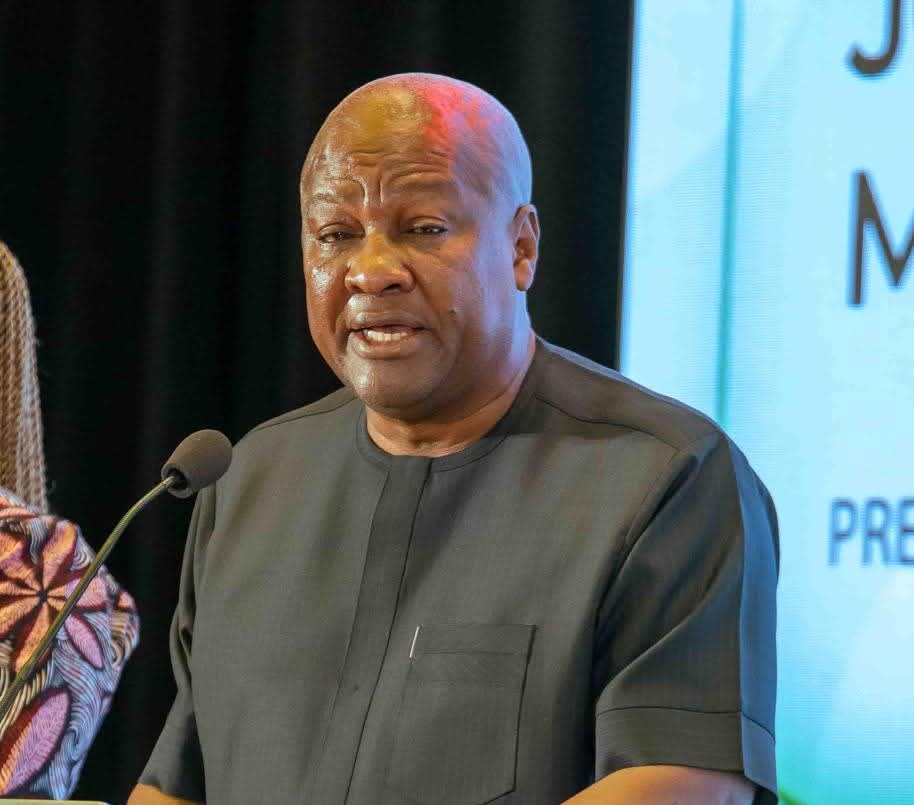
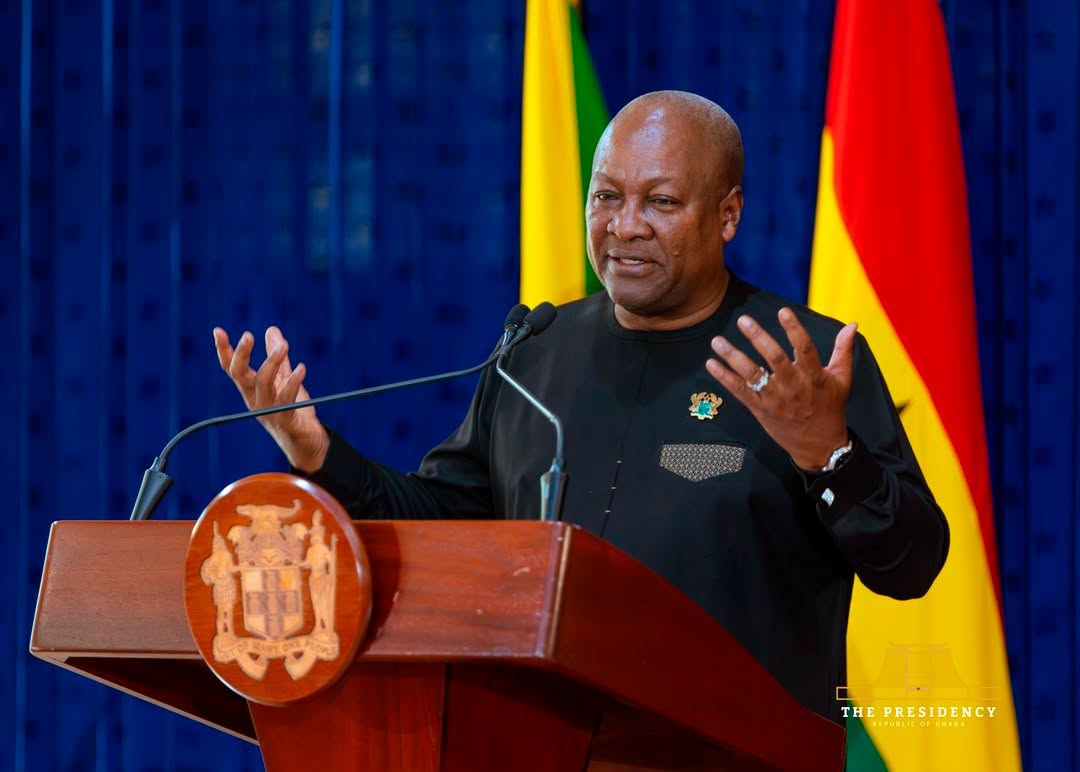
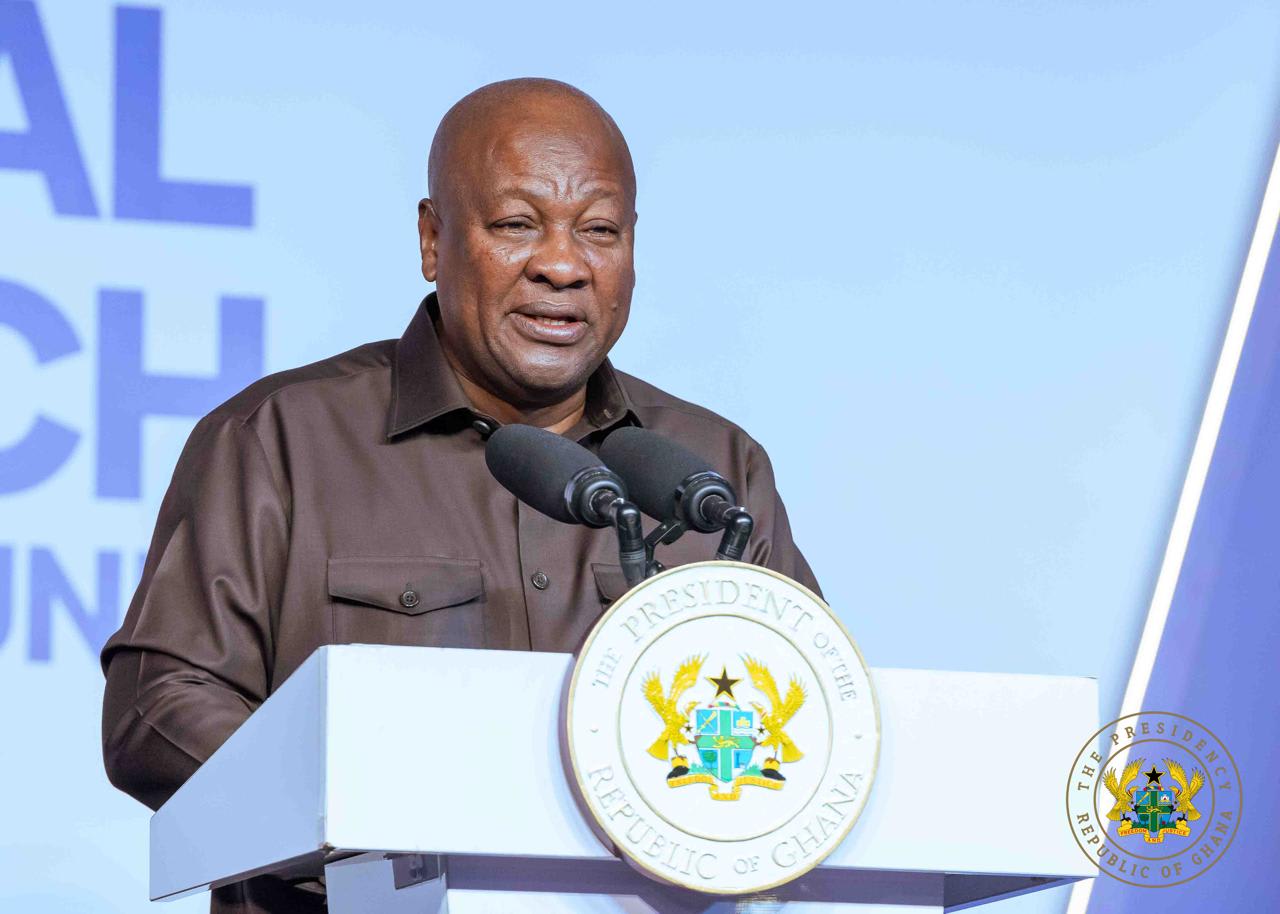
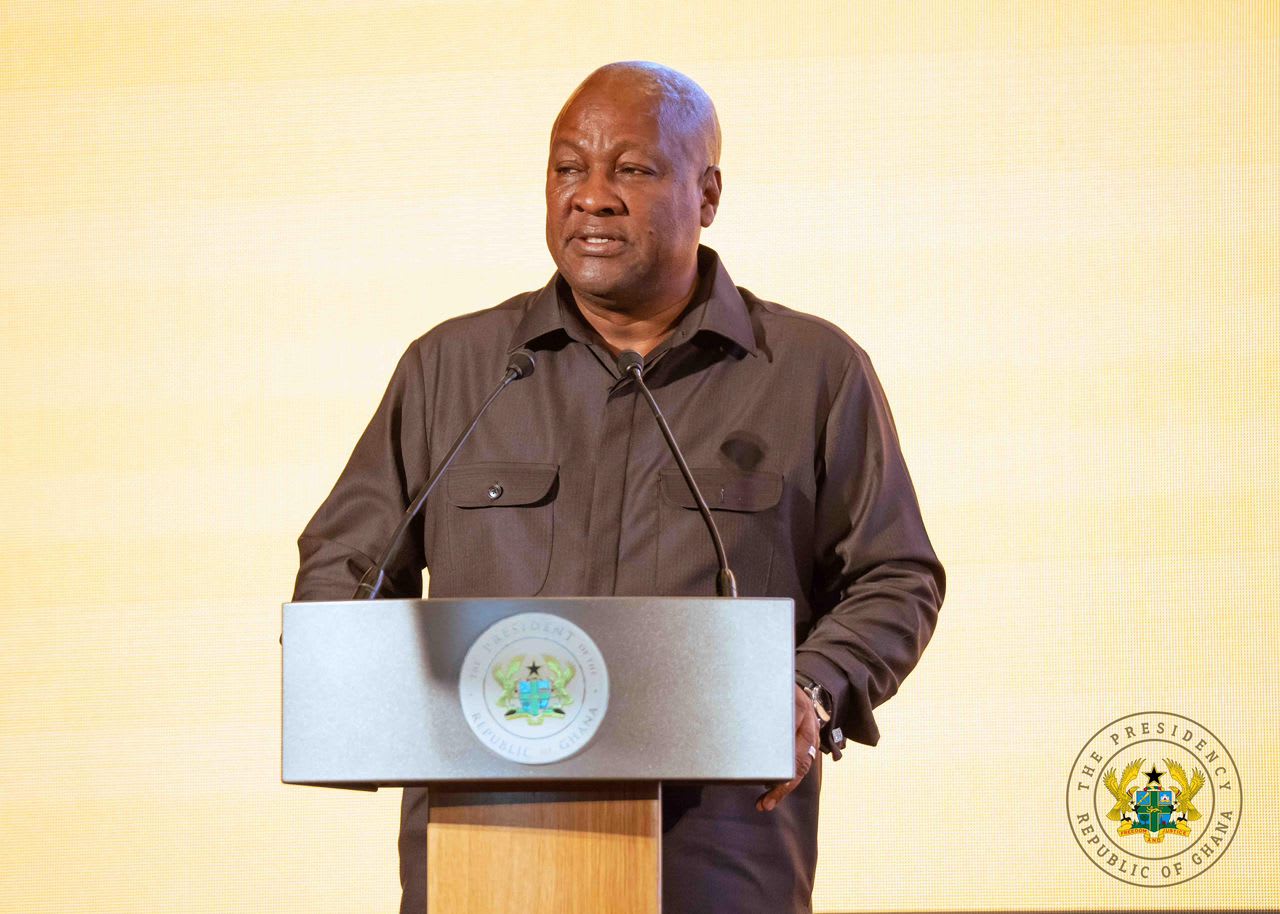
The announcement came from the Minister for Lands and Natural Resources, Emmanuel Armah Kofi Buah, during the Government Accountability Series at the Presidency in Accra on Wednesday.
His presentation covered developments across the mining, forestry and lands sectors, with illegal mining and environmental protection dominating the briefing.
Mr Buah said the review of the Minerals and Mining Act, 2006 (Act 703), followed extensive stakeholder consultations and is intended to modernise the legal framework governing the country's mineral resources.
New mining rules take shape
The proposed legislation introduces district mining committees as the first point for licence applications and creates a new medium scale mining category. It also abolishes reconnaissance licences, replacing them with a single prospecting licence valid for a maximum of five years.
Mining leases will now be capped at 20 years, while every lease holder will be required to sign a community development agreement with host communities.
"The revised Bill provides an updated, coherent and forward looking legal regime to ensure that mining contributes immensely to national development," Mr Buah said.
Cabinet has also approved a revised Minerals and Mining Policy together with new royalty regulations that introduce a sliding scale linked to commodity prices. According to the minister, the approach offers greater certainty for investors during periods of market volatility.
Crackdown on illegal mining continues
The minister disclosed that the National Anti Illegal Mining Operations Secretariat carried out 200 operations across 53 districts in six illegal mining hotspots between January and June.
The operations resulted in the arrest of 207 suspects, including 46 foreign nationals. Authorities also seized or destroyed 78 excavators, 2,800 chanfang machines and 1,244 makeshift mining structures.
"Our rivers are not for sale. Our forests are not expendable. Our mineral wealth is a sacred national inheritance that we have a duty to protect. Let me be clear, the era of impunity is over," he stressed.
Achimota Forest restored
Mr Buah also announced a major policy decision affecting one of Ghana's most prominent forest reserves.
He revealed that Cabinet, on June 24, 2026, revoked the executive instruments that had altered the status of the Achimota Forest, restoring the entire area as a protected forest reserve.
The minister further disclosed that Ghana has issued 411 Forest Law Enforcement, Governance and Trade licences so far in 2026, describing it as part of efforts to strengthen sustainable forest management and improve timber trade compliance.
He assured Ghanaians that the ministry would continue restoring degraded lands, forests and polluted river bodies affected by illegal mining, while urging citizens to support government efforts.
Protecting the country's natural resources, he said, is a shared national responsibility that requires the commitment of every Ghanaian.
READ ALSO: Abu Trica Faces 20 Years Imprisonment Over Alleged $8M Romance Scam