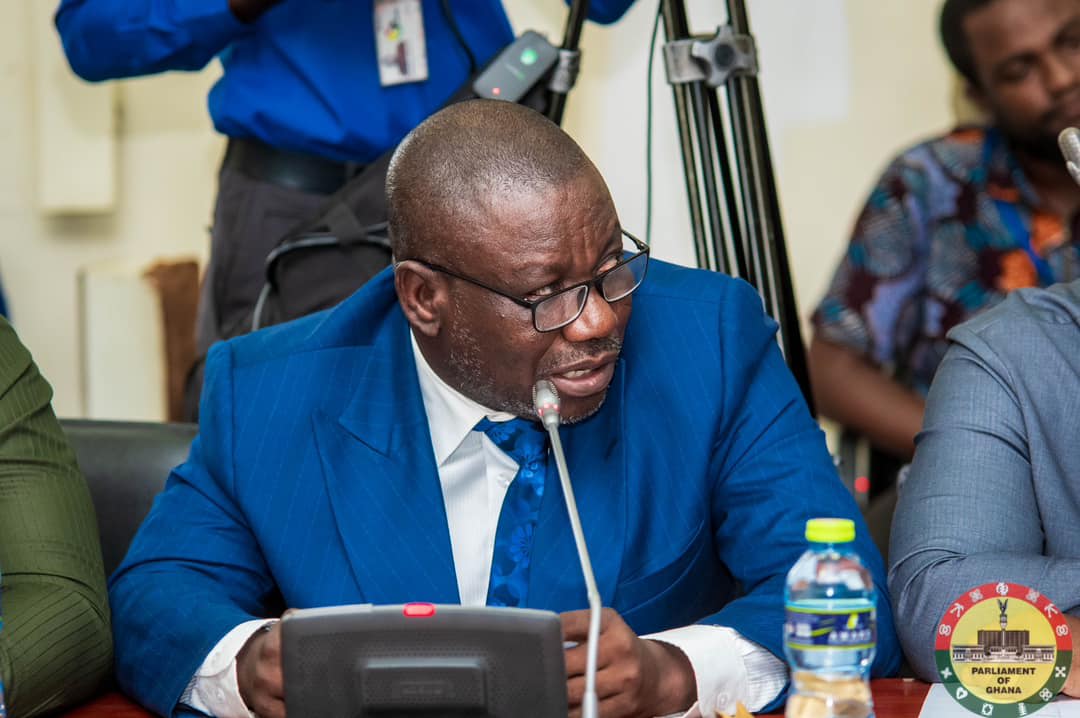
PIAC funding must be secured through legislation rather than left to the discretion of individual finance ministers, Chairman of Parliament’s Finance Committee Isaac Adongo has said.
He warned that uncertain funding could weaken the Public Interest and Accountability Committee’s ability to scrutinise how Ghana’s petroleum revenues are collected, allocated and spent.
Mr Adongo made the call at PIAC’s 15th anniversary event on August 19, where officials and natural resource governance experts reflected on the committee’s work since commercial oil production began.
Amendment exposes funding gap
PIAC was established under Section 51 of the Petroleum Revenue Management Act, 2011, Act 815, and commenced work on September 15, 2011.
Its mandate includes monitoring compliance with the petroleum revenue law, evaluating how oil revenues are used and providing citizens with an independent platform to assess government performance.
The committee previously received direct funding from the Annual Budget Funding Amount. That arrangement changed after the passage of the Petroleum Revenue Management Amendment Act, 2025, Act 1138.
The amendment did not abolish the ABFA. It redirected its use towards infrastructure under the government’s Big Push programme and an allocation to the District Assemblies Common Fund, while removing PIAC’s dedicated funding source.
PIAC previously said the change had stalled some of its planned activities and made its operations more vulnerable to annual budgetary decisions.
Mr Adongo acknowledged the current Finance Minister’s commitment to supporting the committee but said personal goodwill could not replace a permanent safeguard.
“We need to have a mechanism that puts it in law, a funding arrangement for PIAC,” he said.
He argued that establishing a predictable funding formula should become the next stage of discussions about PIAC’s future.
The concern is fairly plain. An oversight institution cannot operate with confidence if its resources depend on the approval of the same executive branch whose management of petroleum revenue it is expected to examine.
Fifteen years of public scrutiny
PIAC Chairman Richard Ellimah said the committee had spent the past 15 years bringing petroleum revenue management into public view.
Its work has included statutory reports, inspections of oil funded projects, public forums and engagements with communities across the country.
“These interventions have contributed to strengthening transparency and accountability,” Mr Ellimah said.
The committee has repeatedly drawn attention to delayed, abandoned and poorly documented projects financed with petroleum revenue. Some projects listed in official records could not be located during physical inspections.
That work has not always produced immediate corrective action. It has, however, created a public record that government agencies, Parliament, journalists and citizens can use to demand answers.
Quartey wants model extended
University of Ghana economist Professor Peter Quartey called for PIAC’s oversight model to be applied to revenues from gold and other mineral resources.
He said Ghana’s wider extractive industry would benefit from independent monitoring, public reporting and field verification similar to the system created for petroleum revenue.
Professor Quartey praised PIAC for identifying projects that appeared in expenditure records but were missing on the ground. Its continuing effort to track abandoned oil funded projects, he said, could provide further evidence for public accountability.
Fifteen years after PIAC began work, the argument has moved beyond whether Ghana needs the institution. The immediate question is whether the country is prepared to finance it independently enough to do its job without fear, favour or an annual search for funds.
READ ALSO: Ghana's Tax Law Review Targets Simpler Compliance and Digital Transactions


