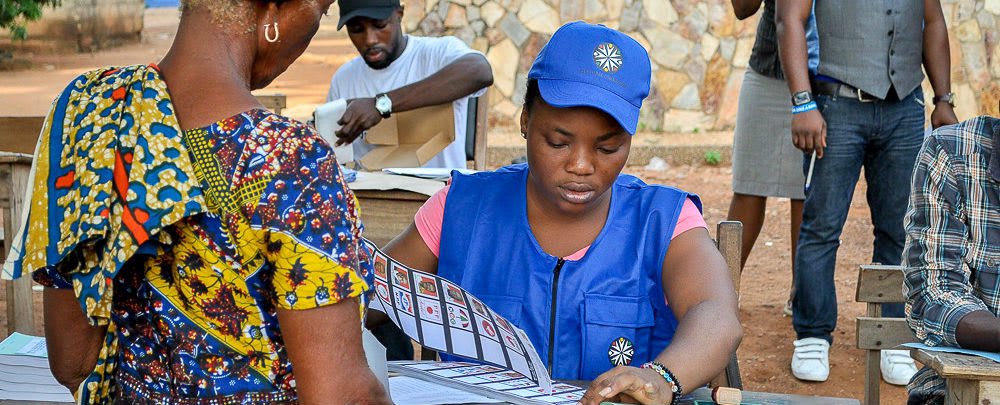
Women’s participation in Ghana local elections remains critically low as the country enters its 2027 district assembly cycle, with new research warning that political violence is a major barrier to progress.
Fewer than one in every 25 district assembly members is a woman, translating into just 4.1 percent representation at the local level. Although the proportion of women in Parliament has improved from nine percent in 2000 to 15 percent in 2024, it still falls short of the 30 percent target set for 2026.
The findings were highlighted at a roundtable convened in Accra by the United Nations Development Programme Ghana and the Nordic Africa Institute. The forum brought together researchers, diplomats and policymakers to assess the structural obstacles limiting women’s political advancement ahead of the district assembly elections.
Senior Researcher Diana Højlund Madsen, who conducted 134 interviews with politically active women across Ghana, Kenya and Zimbabwe, presented evidence that female politicians frequently endure physical, sexual, psychological, economic and symbolic violence aimed at pushing them out of public life.
“Violence and intimidation are not isolated incidents. They are structured obstacles that shape who is able to stand for office and remain in politics.” - Senior Researcher Diana Højlund Madsen
Her research documented threats against family members, sexualised harassment, coordinated moral attacks and online abuse campaigns targeting women candidates.
Calls for Quotas and Protection
UNDP Ghana Resident Representative Niloy Banerjee advocated temporary gender quotas at the local government level and proposed deploying trained security forces to safeguard female candidates. He also urged political parties to create safer internal environments and referenced a women-led peacebuilding strategy underway in selected northern districts.
Danish Ambassador Jakob Linulf acknowledged that entrenched cultural norms would take time to dismantle but stressed that sustained legal reform and enforcement of existing anti-discrimination laws are essential.
The roundtable further examined Ghana’s obligations under global frameworks such as the Convention on the Elimination of All Forms of Discrimination Against Women and UN Security Council Resolutions 1325 and 2250, which commit the country to inclusive governance.
Madsen concluded with a pointed appeal: “Safer politics is not only about protecting individual women — it is about strengthening democracy.”