People whose highest level of education is secondary school recorded the highest Ghana unemployment rate in the third quarter of 2025, with more than one in three unable to find work.
The Ghana Statistical Service’s 2026 Productivity, Employment and Growth Report puts unemployment among secondary school leavers at 36.2 per cent, well above the 14.3 per cent recorded among people with tertiary education.
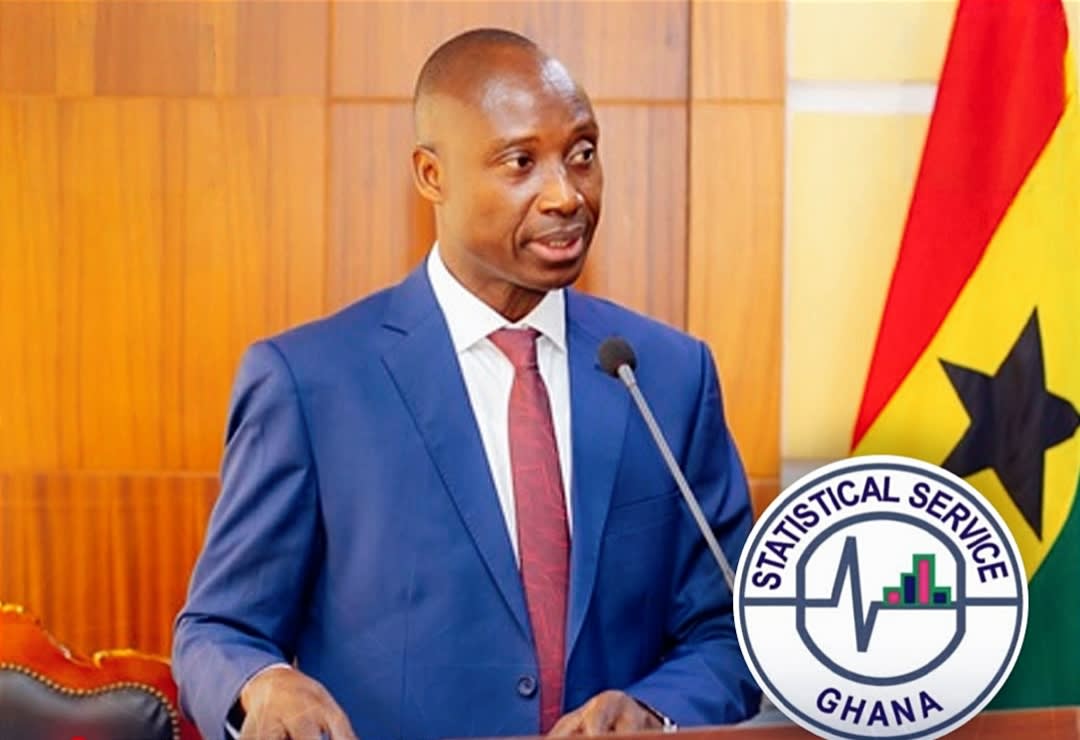
The report, launched in Accra on Friday by Government Statistician Dr Alhassan Iddrisu, tracks employment and productivity trends over 35 years, from 1991 to 2025.
“Unemployment among secondary school leavers stood at 36.2% after the third quarter of 2025,” the Service said in a message published on its YouTube channel.
Young people remain under pressure
The figures show that unemployment remains particularly severe among younger Ghanaians.
Between January and September 2025, about a third of people aged 15 to 24 who were either working or actively looking for work had no job.
Among people aged 15 to 35, the share classified as not in employment, education or training stood at 17.9 per cent in 2025.
That was an improvement on the 18.8 per cent recorded in 2024, but still above the 16.7 per cent reported in 2023.
National unemployment, however, has been moving gradually downward. On a comparable quarterly basis, the rate declined from 14.7 per cent in 2023 to 13.7 per cent in 2024 and 12.8 per cent in 2025.
Informal work still dominates
Ghana’s employed population has more than doubled over the period covered by the report, rising from 6.0 million people in 1992 to an average of 13.3 million during the first three quarters of 2025.
The quality and structure of those jobs remain a concern.
In the third quarter of 2025, 61.8 per cent of workers were self employed, while paid employees accounted for 20.5 per cent. Overall, 85.9 per cent of workers were operating in the informal sector.
The proportion of workers putting in more than 48 hours a week also declined from 17.2 per cent in the first quarter of 2022 to 12.7 per cent in the third quarter of 2025.
Government targets unemployment below 8%
The findings come as debate continues over how unemployment should be measured in an economy where informal work is widespread.
Labour expert Austin Gamey argued earlier in November that unemployment among young people is sometimes overstated because many are engaged in informal economic activity.
Government has meanwhile set a target of reducing unemployment to below 8 per cent by 2030 under its New Economy programme.
Finance Minister Dr Cassiel Ato Forson announced the target while presenting the 2027 Budget to Parliament on November 12.
The Statistical Service said government should place greater emphasis on matching young people’s skills with available jobs and make productivity measurement a regular national priority.
READ ALSO: Ghana Air Force Receives Airbus ACH160 Helicopter