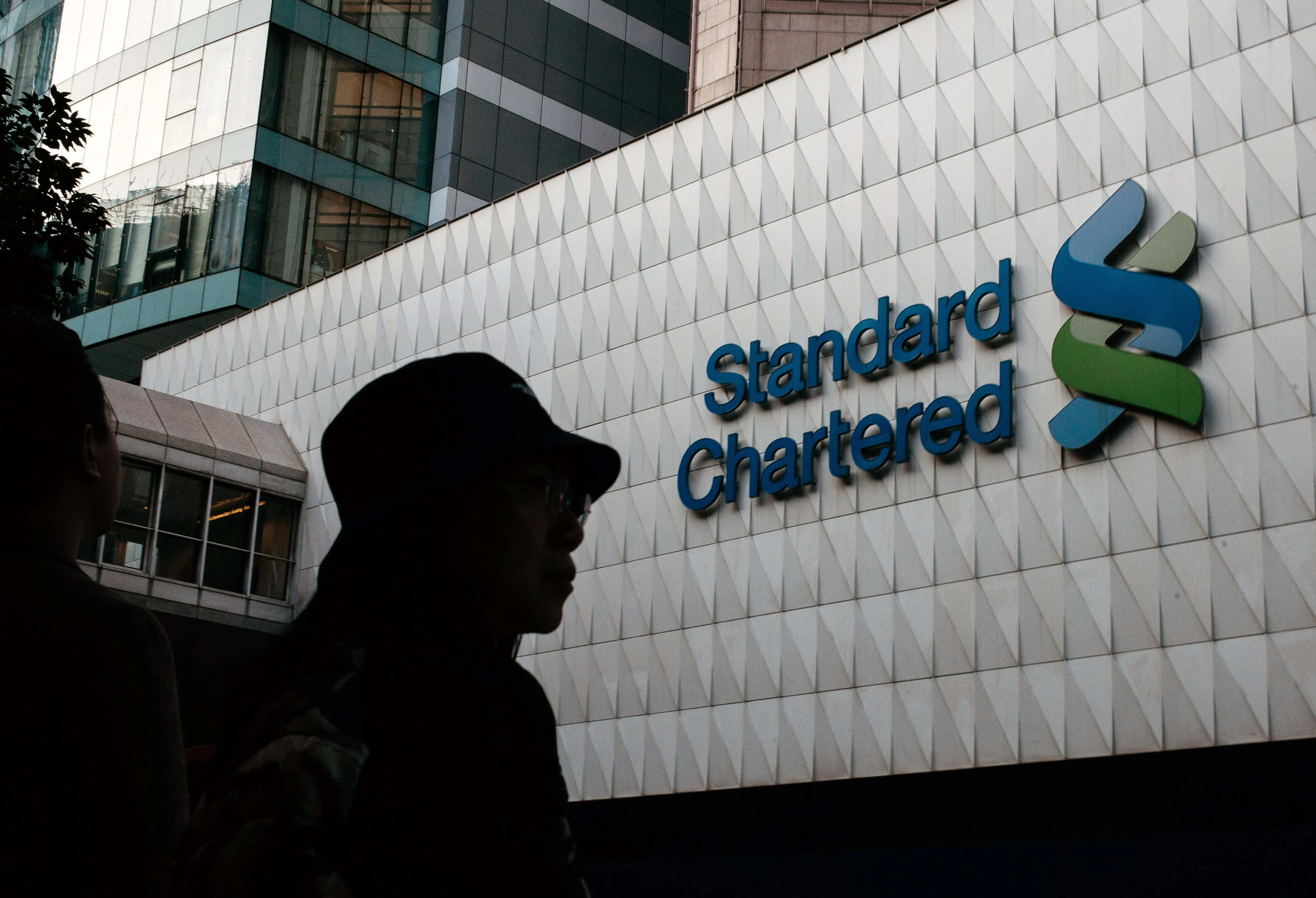
Standard Chartered is set to cut approximately 7,800 back-office jobs by 2030 as the global lender accelerates the use of artificial intelligence, automation and advanced analytics across its operations.
The planned workforce reduction, which represents more than 15 per cent of the bank’s back-office roles, marks one of the clearest indications yet that major global banks are moving beyond digital experimentation into large-scale restructuring driven by emerging technologies.
The London-headquartered bank, which operates extensively across Asia, Africa and the Middle East, said the cuts form part of a broader long-term strategy to improve efficiency, boost productivity and strengthen returns for shareholders.
The bank has major operational centres in countries including India, China, Malaysia and Poland, although it has not specified which locations or business units will be most affected.
AI and Automation Driving Restructuring
Under the updated strategy led by Chief Executive Bill Winters, the bank aims to raise its return on tangible equity to more than 15 per cent by 2028 and approximately 18 per cent by 2030.
The strategy follows earlier financial targets that the bank reportedly achieved ahead of schedule.
“We are scaling practical uses of automation, advanced analytics and artificial intelligence to streamline processes, improve decision-making and enhance both client service and internal efficiency,” the bank said in a statement.
Industry analysts say the banking sector is among the industries most vulnerable to AI-led disruption because of its reliance on repetitive data-heavy tasks such as regulatory reporting, fraud detection, compliance checks, documentation and operational processing.
However, Standard Chartered has framed the planned cuts not simply as a cost-saving exercise, but as part of a wider shift toward technology-driven banking and higher-value business operations.
According to reports, Mr Winters described the restructuring as an effort to build “a more productive and better-capitalised institution” rather than merely reducing headcount.
Focus Shifts Toward Higher-Margin Businesses
The restructuring comes as Standard Chartered seeks to deepen its presence in higher-margin business segments, including wealth management, affluent retail banking and financial institution services.
The bank has also intensified efforts to strengthen its role as a financial bridge connecting Asia, Africa and the Middle East, markets where it has maintained a long-standing presence for decades.
For African countries such as Ghana, where Standard Chartered remains one of the established international banks, the announcement is likely to fuel discussions about how digital banking transformation could affect local employment structures over time.
The bank has not announced any Ghana-specific job reductions, and current indications suggest the cuts will focus primarily on global support and operational functions rather than frontline banking services.
Still, labour analysts and banking industry observers are expected to monitor developments closely as artificial intelligence becomes increasingly integrated into customer service, compliance, operations and risk management systems.
Global Banking Sector Faces AI Employment Shift
Standard Chartered’s move mirrors a broader trend across the global financial industry.
DBS Bank recently indicated that it expects to reduce around 4,000 contract and temporary positions over the next three years as AI adoption expands across its operations.
Several global technology firms have also announced layoffs linked to automation and changing investment priorities.
The latest developments highlight the growing tension confronting banks worldwide: while artificial intelligence promises lower costs, faster services and improved risk controls, it is also beginning to reshape traditional employment models within one of the world’s most heavily regulated industries.
As banks continue investing heavily in automation, the debate around productivity, workforce displacement and the future of financial sector employment is expected to intensify globally.
READ ALSO: Ghana’s Mineral Royalty Receipts Surge Above GH₵2 Billion in Q1 2026