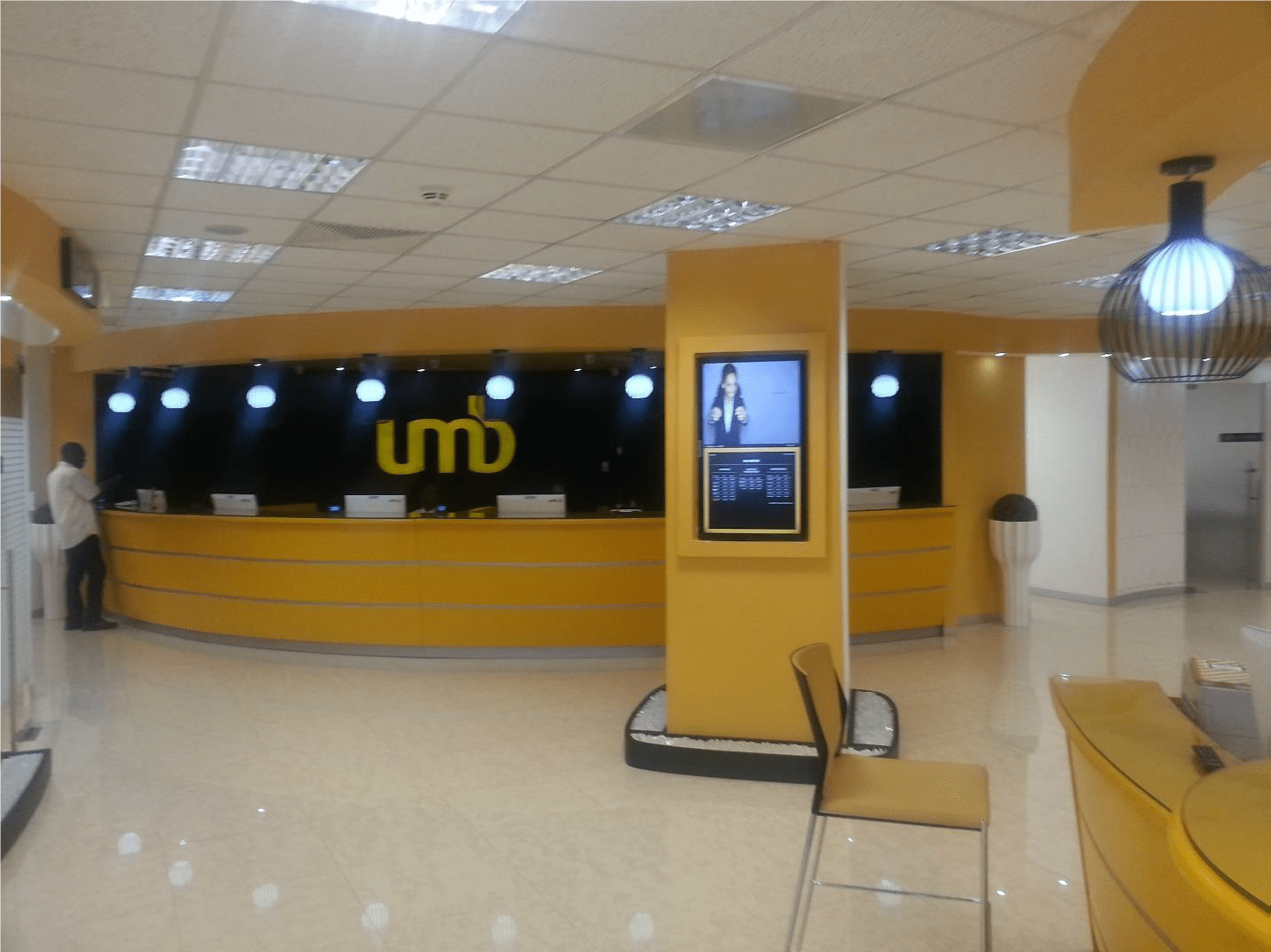
Universal Merchant Bank says it has become the first bank in Ghana to receive approval from both the Bank of Ghana and the Securities and Exchange Commission to provide UMB virtual accounts to eligible businesses operating within the country’s emerging virtual asset ecosystem.
The approval places the indigenous bank at an early intersection between traditional banking and Ghana’s developing digital asset market, at a time when regulators are moving to bring virtual asset service providers into a more structured financial framework.
For UMB, the move is not being presented simply as another product launch. The bank sees it as part of a wider strategy to build financial infrastructure for businesses whose operations are increasingly shaped by blockchain technology, digital payments, tokenisation and other forms of financial innovation.
The virtual account service will, however, remain subject to regulatory requirements and eligibility conditions.
Ghana’s Virtual Asset Market Moves Closer to Formal Banking
The development comes as Ghana tightens the regulatory framework governing virtual assets and virtual asset service providers.
That shift is important because one of the persistent challenges for digital asset businesses has been access to regulated banking relationships.
Greater regulatory clarity could gradually change that.
Acting Deputy Director General for Finance at the Securities and Exchange Commission, Mensah Thompson, said collaboration between regulators and financial institutions would be critical as the sector develops.
“As the virtual asset ecosystem develops, collaboration between regulators and financial institutions will be important in ensuring that innovation takes place within a properly regulated environment.” - Mensah Thompson
According to him, institutions that understand the emerging rules and develop the necessary controls will be better positioned to participate safely in the sector.
UMB’s approval therefore gives the bank an opportunity to work with eligible virtual asset businesses, fintech companies and technology firms seeking access to formal banking infrastructure.
It also comes as the Bank of Ghana and SEC strengthen supervision of the sector rather than leaving virtual asset activity largely outside established financial institutions.
UMB Bets on ‘Banking for What Comes Next’
Managing Director and Chief Executive Officer of UMB, Dr Philip Oti Mensah, said the approval fits into the bank’s broader effort to prepare for changes in Ghana’s financial services market.
“The financial services landscape is evolving, and our responsibility as a bank is to understand where our customers and the economy are heading and build the capabilities to support that future.
“Receiving approval from both the Bank of Ghana and the Securities and Exchange Commission to offer virtual accounts to eligible businesses is an important milestone for UMB.” - Dr Oti Mensah
Dr Oti Mensah said the development demonstrates that innovation does not have to come at the expense of regulatory discipline.
“It demonstrates that innovation and responsible banking can move together, and reinforces our commitment to building a modern, relevant and competitive Ghanaian bank,” he added.
Since taking leadership of the bank, he has placed technology, customer experience, transformation and sustainable growth at the centre of UMB’s strategy.
The virtual account approval gives that agenda a new dimension.
Rather than digitising only conventional banking services, UMB is moving towards financial infrastructure designed around new categories of business.
Technology Moves Beyond Mobile Banking
UMB has already invested in digital platforms including its SpeedApp and internet banking services as part of efforts to change how individuals and businesses interact with the bank.
Head of E Business at UMB, Tubuor Ofei Agyemang, said that digital transformation now requires banks to think beyond putting existing products online.
“Digital transformation is no longer simply about moving existing banking services onto digital platforms.
“It is about understanding how customers and businesses are evolving and developing the infrastructure to support them.” - Tubuor Ofei Agyemang
According to him, the virtual account capability forms part of UMB’s attempt to build secure and scalable digital banking solutions around changing market needs.
That could become increasingly relevant as Ghana’s fintech, payment and virtual asset sectors begin to overlap more frequently.
For banks, the opportunity is clear. New digital businesses still need conventional financial infrastructure for settlements, compliance, liquidity management and other day to day operations.
But the risks are equally real, particularly around anti money laundering controls, cybersecurity, consumer protection and the movement of funds across digital platforms.
That explains why regulatory approval sits at the centre of UMB’s entry into the segment.
Recapitalisation Gives UMB More Room to Expand
The approval also follows a major change in the bank’s financial position.
In July 2026, Finance Minister Dr Cassiel Ato Forson announced the completion of the Ghana Amalgamated Trust’s full recapitalisation of Universal Merchant Bank.
The recapitalisation strengthened UMB’s capital base and gave the bank a firmer platform for growth.
Combined with investments in technology and operations, UMB believes that stronger financial position will allow it to pursue new opportunities while improving existing banking services.
The bank has operated in Ghana for more than five decades and currently provides corporate, business, private, personal and digital banking services.
Its network includes 35 branches, business centres, digital platforms and a 24 hour contact centre.
UMB also holds ISO/IEC 27001 and PCI DSS certifications, which the bank says form part of its approach to information security and data governance.
First Mover Advantage Comes With a Test
Being first to receive dual regulatory approval could give UMB an early advantage, but the more important question will be how quickly the opportunity translates into sustainable business.
Ghana’s virtual asset sector is still developing. Regulatory rules are evolving, institutions are building capacity and eligible businesses will have to demonstrate that they can operate within formal compliance requirements.
For UMB, the early entry creates room to build relationships, develop expertise and understand the financial needs of companies operating in a sector that traditional banks have often approached cautiously.
It also offers a test of Ghana’s broader approach to digital finance.
The challenge is to bring emerging technologies into the regulated financial system without weakening safeguards that protect consumers, banks and the integrity of financial markets.
UMB’s approval suggests that process is moving from regulation on paper towards actual banking infrastructure.
For the bank, the ambition is bigger than being able to say it arrived first. It is betting that Ghana’s next generation of financial businesses will need institutions capable of understanding both conventional banking and the digital economy forming around it.
READ ALSO: Parliament Approves Three Supreme Court Nominees Despite Minority Boycott