The United States has announced new visa restrictions on South Africans accused of supporting uncompensated land seizures, racial discrimination or violence against minority groups.
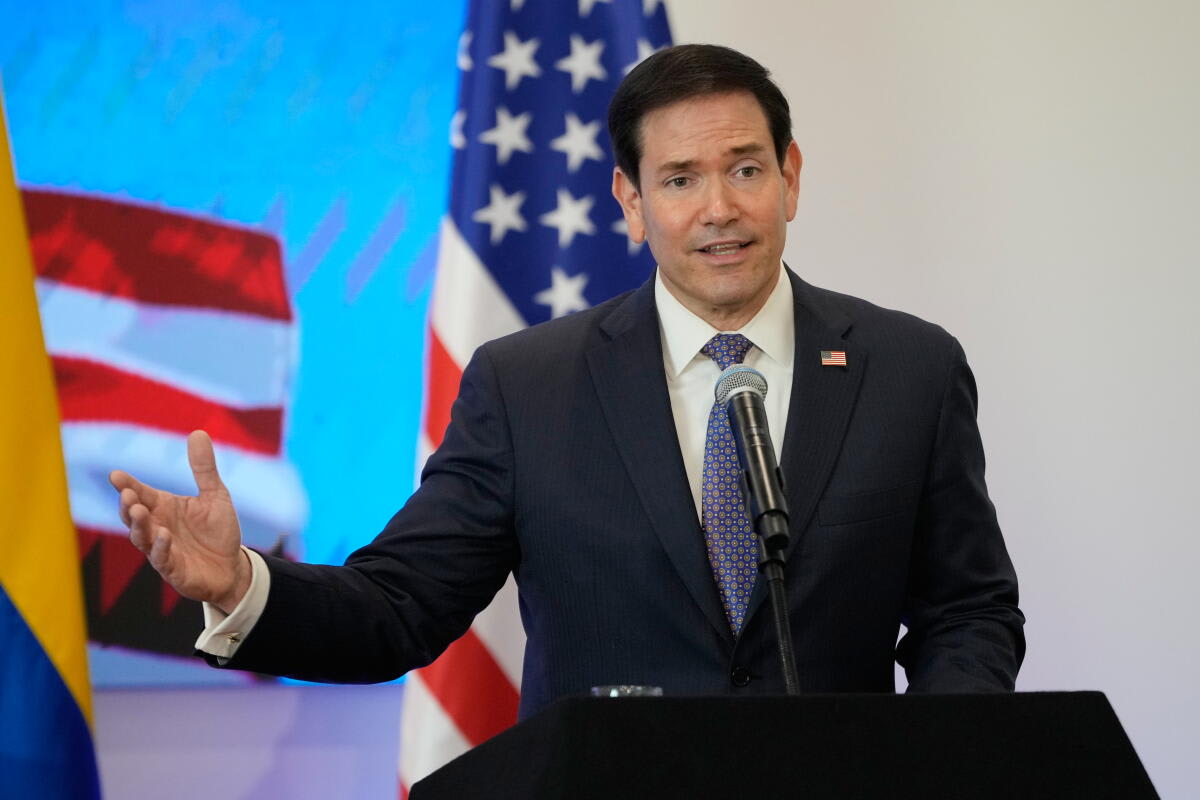
Secretary of State Marco Rubio unveiled the policy on Tuesday as relations between Washington and Pretoria continued to deteriorate under President Donald Trump.
The measure applies to foreign nationals considered responsible for, or complicit in, laws and policies that Washington says enable land seizures without compensation, race-based discrimination or the incitement of imminent violence.
“The South African government has not adequately addressed the previously laid out concerns,” Rubio said.
The restrictions were introduced under a provision of US immigration law allowing the Secretary of State to deny entry to foreigners whose presence could have serious consequences for American foreign policy. Certain family members may also be affected.
No individual was identified in the announcement.
Pretoria rejects persecution claims
The South African government has repeatedly rejected claims that white citizens, including Afrikaners, are being systematically persecuted.
President Cyril Ramaphosa has called for coordinated efforts to challenge what he considers false narratives about a white genocide.
Pretoria argues that its land and racial policies are intended to correct inequalities created by apartheid rather than target minority communities.
South Africa has one of the world’s highest murder rates, but available crime data show that most victims are Black.
Relations continue to cool
Land reform is only one source of tension between the two governments.
Washington has also criticised South Africa’s genocide case against Israel at the International Court of Justice. The Trump administration has previously reduced aid, expelled South Africa’s ambassador and created a refugee route for some white Afrikaners.
Rubio said the conduct targeted by the visa policy “directly undermines peace, economic stability and the rule of law.”
South Africa’s embassy in Washington had not immediately responded publicly to the latest measure. The absence of named targets also leaves unclear how widely the policy will be applied or when the first restrictions will take effect.