Ghana's International Reserves Fall US$1.9bn in Two Months
Ghana’s gross international reserves declined from US$12.94 billion in June to US$11.07 billion in August 2026, prompting the Bank of Ghana to prioritise rebuilding its external buffers.
Page 13

Ghana’s gross international reserves declined from US$12.94 billion in June to US$11.07 billion in August 2026, prompting the Bank of Ghana to prioritise rebuilding its external buffers.

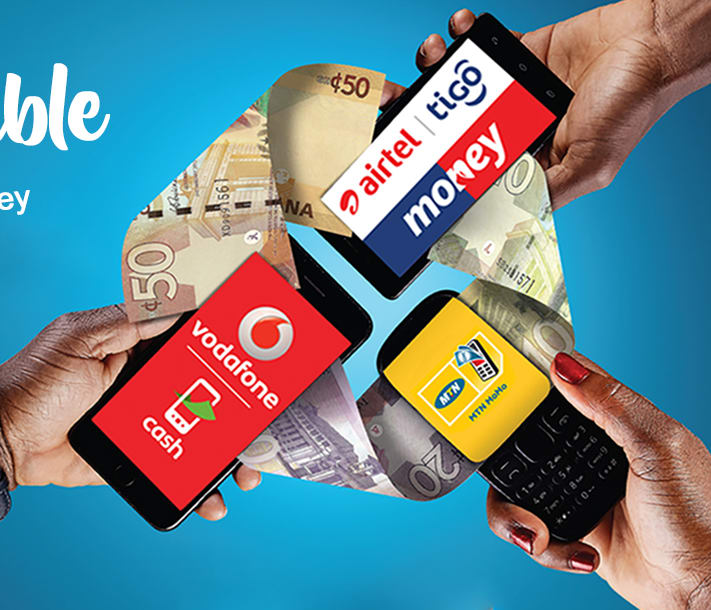
Ghana’s mobile money transactions reached GH¢518.8 billion in August 2026, up 46.5% from a year earlier, as transaction volumes and active agents increased.

The Bank of Ghana is expected to maintain its 14% policy rate as rising inflation, declining reserves and pressure on the cedi complicate the case for further interest rate cuts.

Parliament’s Energy Committee has appealed for GH¢5.6 million to establish a Petroleum Commission data centre and strengthen oversight of Ghana’s upstream oil and gas industry.

Bank of Ghana Governor Dr Johnson Asiama says higher government spending and debt-service obligations could affect liquidity and the cedi as the MPC reviews economic risks.

The Bank of Ghana sold GH¢14.21 billion in 14-day bills under Tender 880 on September 22, 2026, with the weighted average interest rate settling at 10.50%.

Ghana Fixed Income Market trading reached GH¢2.55 billion on September 22, 2026, with Treasury bills accounting for 71.54% of turnover as corporate bond activity remained subdued.

Finance Minister Cassiel Ato Forson says the interests of Ghanaians will guide the 2027 Budget as government prepares to unveil its proposed US$10 billion New Economy programme.

Ghana Stock Exchange market capitalisation fell by GH¢6.06 billion in the week ending September 18, 2026, as losses in MTN Ghana, GCB Bank and other major stocks dragged indices lower.

The government accepted GH¢2.2 billion at its latest Treasury bill auction—falling well short of the GH¢3.2 billion in maturing obligations—as fiscal authorities prioritized borrowing cost discipline by turning away high-yielding investor bids.

The total value of registered secured credit in Ghana expanded by 73.4 percent year-on-year to GH¢31.5 billion in the second quarter of 2026, driven by higher-value facility issuances from commercial banks even as the overall volume of collateral registrations declined.

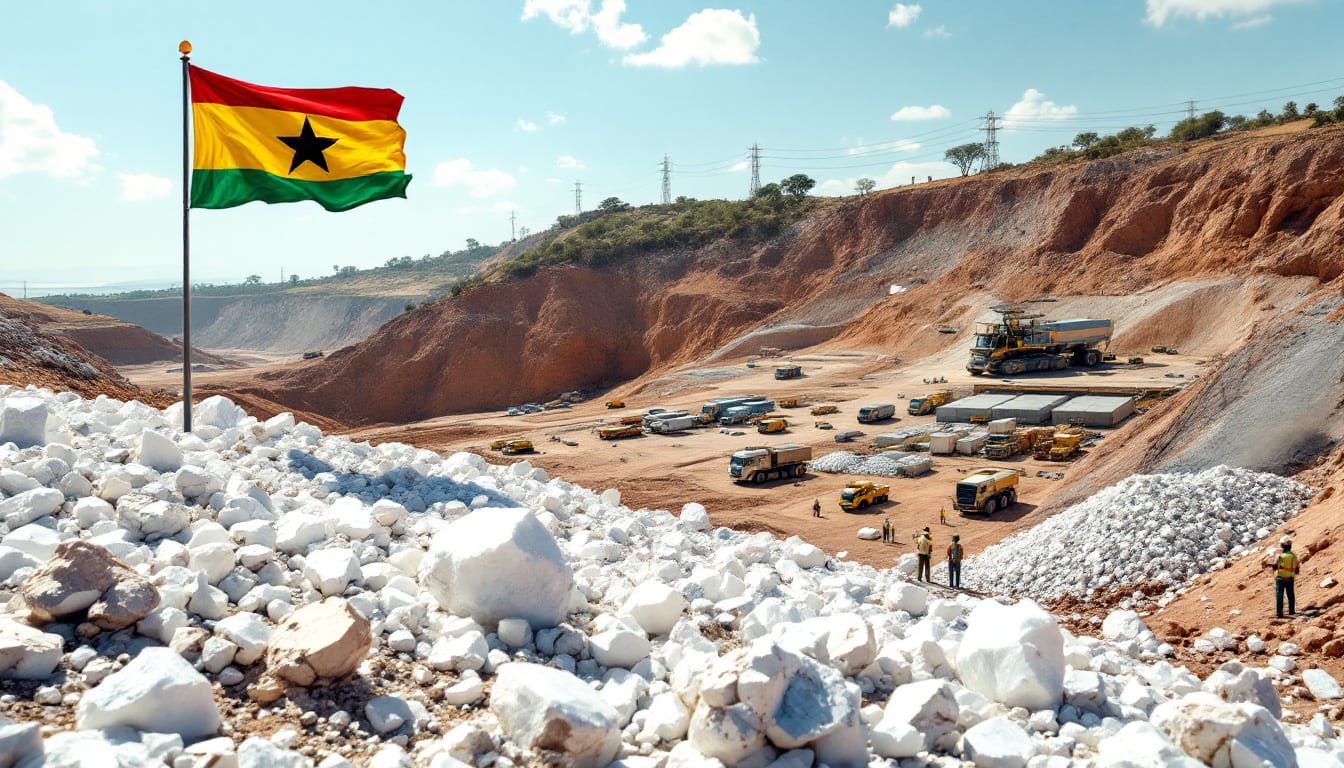
Ghana’s mining revenue reached GH¢24.22 billion in 2025, prompting ACEP to call for a transparent system linking mineral receipts to spending and development outcomes.