Africa’s manufacturing ambitions could remain stuck at the level of speeches and policy documents unless the continent fixes its expensive and difficult to finance energy system, Finance Minister Dr Cassiel Ato Forson has warned.
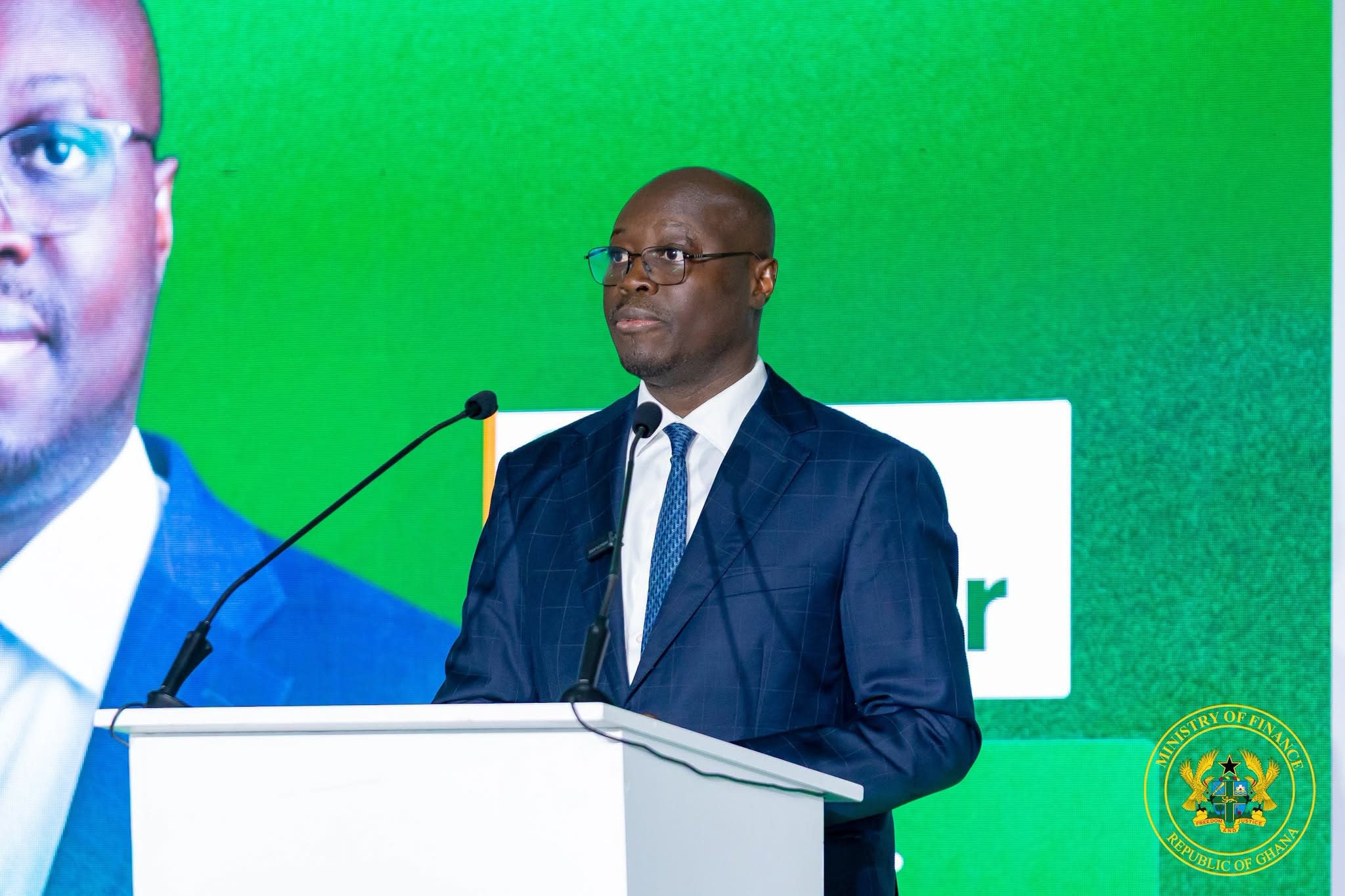
Speaking at the 2026 Future of Energy Conference in Accra, Dr Forson said the Africa industrialisation energy challenge had become impossible to separate from questions of macroeconomic stability, investment risk and electricity pricing.
“We cannot industrialise a continent the world considers too risky to power,” he said.
It is a sharp description of Africa’s energy contradiction. The continent holds enormous reserves of gas, hydro, solar and wind resources, as well as minerals increasingly important to electric vehicles and battery storage.
Yet nearly 600 million Africans still lack access to electricity, while Africa receives only about 2% of global clean energy investment.
For Dr Forson, that gap is not simply an energy problem. It is an industrial problem.
Expensive Power Weakens Africa’s Manufacturing Case
Reliable electricity sits underneath almost every serious industrial activity, from mining and aluminium processing to agro processing, cold storage, manufacturing and digital infrastructure.
Without competitively priced power, the economics of local production become difficult, particularly when African companies are already dealing with expensive credit, unstable currencies and high logistics costs.
Dr Forson said those pressures begin with the wider macroeconomic environment.
Inflation, exchange rate volatility, high interest rates, rising debt and fiscal indiscipline all increase the risk premium attached to long term infrastructure investment.
“Macroeconomic stability is therefore not separate from industrial policy; it is indeed the foundation,” he said.
Ghana’s recent economic stabilisation, he argued, shows why that foundation matters. Inflation has eased from crisis levels, growth has strengthened and financing conditions have started to improve.
Still, stabilisation cannot become the final target.
“Stability is obviously not the destination; it is the launchpad for transformation,” Dr Forson said.
Critical Minerals Could Repeat Old Export Pattern
The warning becomes more urgent as global demand grows for lithium, cobalt, manganese, graphite and copper.
Africa has many of the resources the clean energy transition needs, but Dr Forson fears the continent could once again supply raw materials while importing the more valuable products manufactured from them.
“Across Africa, we export cocoa and import chocolate.
"We export bauxite and import aluminium products. Now we risk exporting critical minerals only to import batteries. This must change.” - Dr Forson
That would leave Africa strategically important to the global green economy without becoming significantly more industrialised itself.
Processing those minerals locally requires dependable electricity, skilled labour, transport infrastructure and patient capital.
Public Budgets Cannot Carry Energy Investment Alone
Financing remains one of the hardest constraints.
Many African governments already face heavy debt servicing obligations, leaving limited fiscal room for major power and industrial projects.
“Public budgets cannot carry this investment alone. We need guarantees, blended finance, local currency funding, deeper capital markets, and credible public private partnerships.” - Dr Forson
That matters because large energy projects often require financing over decades. Where utilities are weak, regulation unpredictable or currencies unstable, investors demand higher returns. Eventually, those costs feed into electricity tariffs.
Adding generation capacity alone will therefore not solve the problem. Utilities must be financially viable, transmission networks stronger and investment rules credible enough to attract long term private capital.
Ghana Bets on Gas and New Baseload Capacity
Ghana is attempting to make energy infrastructure part of its industrial strategy.
Government is advancing plans for a 1,200 megawatt state owned combined cycle gas fired power plant at Kafodzidzi Abrobeano in the Central Region, with the first 600 megawatts expected in 2028.
The project is intended to strengthen baseload supply and improve reliability for industry and households.
Government also says its Gas to Power strategy produced fuel savings of about GH¢3.08 billion, roughly US$268.50 million, during the first half of 2026 by expanding the use of domestic natural gas.
Those savings matter because energy costs ripple through the entire production chain.
For Dr Forson, the real challenge is now clear. Africa may possess the resources, minerals and market size. But without affordable power and credible financing, much of the value from those resources will continue to be created elsewhere.
The continent’s industrial future will ultimately depend on whether governments can connect energy policy, macroeconomic management and manufacturing strategy before the next wave of raw materials leaves African shores.
READ ALSO: Ghana Must Turn Macroeconomic Stability Into Jobs and Productive Growth - IEA