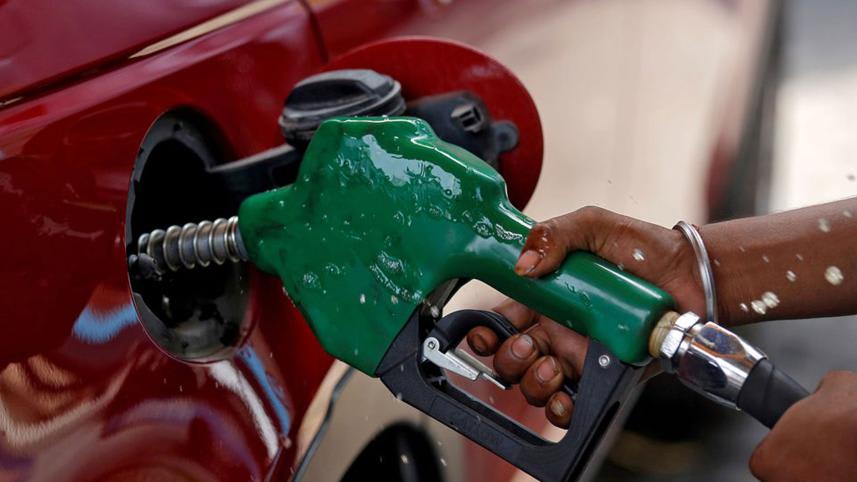
Ghanaian consumers are navigating sharply contrasting fuel-price movements in the second pricing window of August, with petrol dropping by as much as 2.90% while diesel ticks up 1.39%.
The divergence shows how international refined-product benchmarks are pulling pump rates in opposite directions even as the cedi finds firmer footing on the foreign exchange market.
According to projections by the Chamber of Oil Marketing Companies (COMAC) cited by Sweet FM Online, petrol is set to trade around GH¢15.82 per litre from August 16, while diesel is expected to climb toward GH¢17.73 per litre.
Liquefied petroleum gas consumers get some relief as well, with prospective retail prices retreating by GH¢0.93 to roughly GH¢16.21 per kilogramme.
Refined Product Divergence Offsets Crude Rally
The split at the pumps comes down to how specific refined products perform overseas rather than just headline crude figures.
Average global crude benchmark prices rose 2.02% to $90.41 per barrel by mid-August, stoked by geopolitical friction and shipping risks around the Strait of Hormuz.
Because Ghana imports refined fuels rather than processing them domestically, local oil marketing companies are tied directly to refined product dynamics.
International diesel prices jumped 2.86%, whereas finished petrol and LPG fell 5.46% and 2.54% respectively. That divergence explains why a higher crude price is not translating into uniform price hikes across every nozzle.
Cedi Recovery vs Import Dollar Demand
Currency movements have added another layer of complexity to local pricing. Banking data showed the cedi averaging GH¢11.80 against the dollar during the first pricing window before staging a sharp comeback to GH¢10.98 by mid-August.
If this appreciation holds, it will ease the local cash burden required by bulk distributors to secure foreign exchange for upcoming product cargoes.
Ongoing government and industry interventions are also cushioning diesel from absorbing the full impact of overseas increases, though persistent geopolitical jitters keep the outlook fragile.
Lower Price Floors Widen Retail Competition
To widen competitive room, the National Petroleum Authority (NPA) Price Floor guidelines slashed statutory minimums across major product lines.
The floor for petrol dropped 4.20% from GH¢14.53 to GH¢13.92 per litre, while the diesel floor was lowered by 10.49% from GH¢16.97 down to GH¢15.19 per litre. LPG minimums were similarly adjusted downward from GH¢11.06 to GH¢10.98.
These statutory floors set the baseline beneath which retailers cannot legally price, leaving final pump rates determined by individual corporate margins, existing inventories, and supply contracts.
Because diesel powers public transport, heavy haulage, agricultural machinery, and backup generators, any upward creep risks filtering into wider operational overheads, even as private motorists welcome cheaper petrol.
READ ALSO: Ghana Rejects GH¢6.4bn in T Bill Bids as Government Tightens Borrowing Strategy