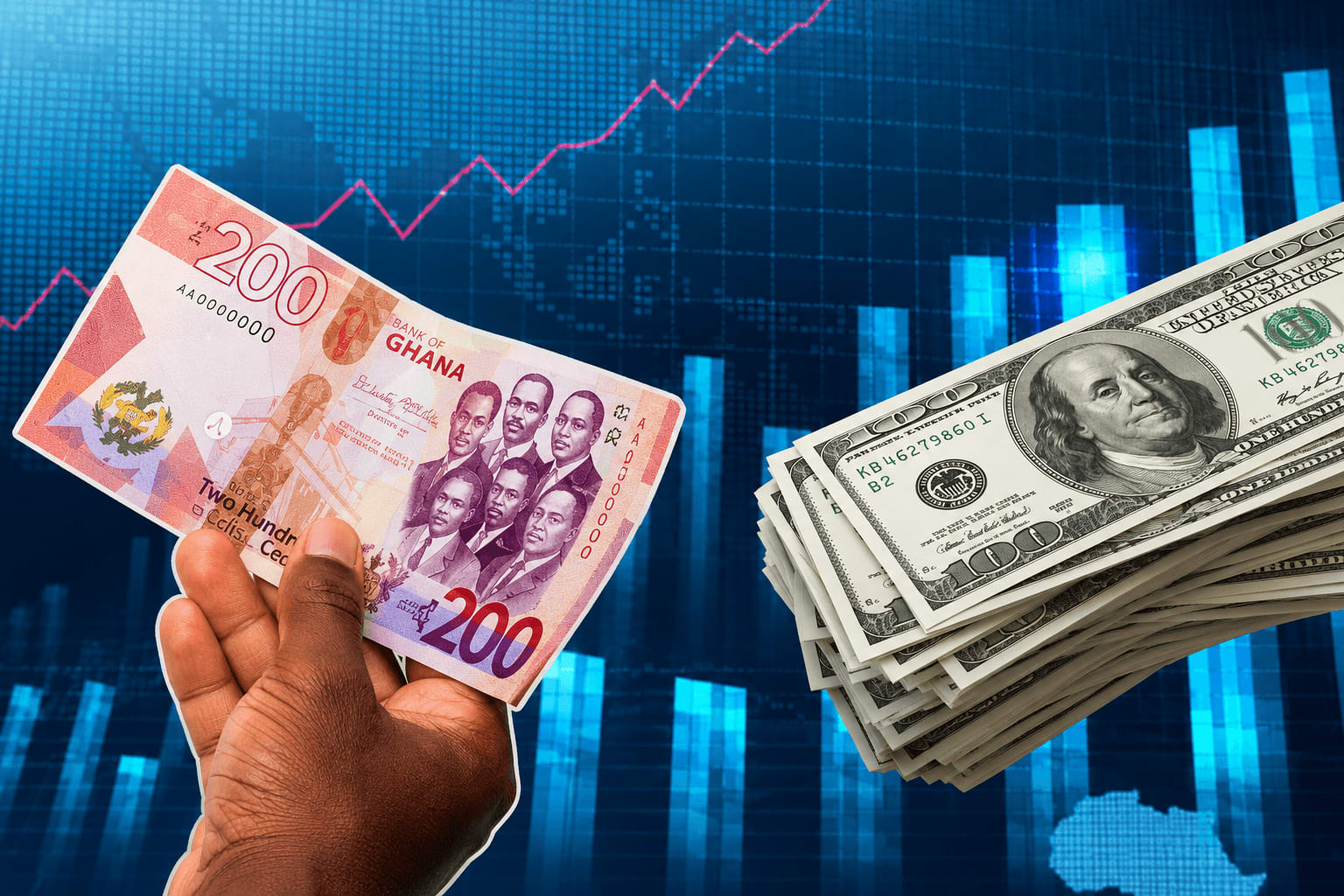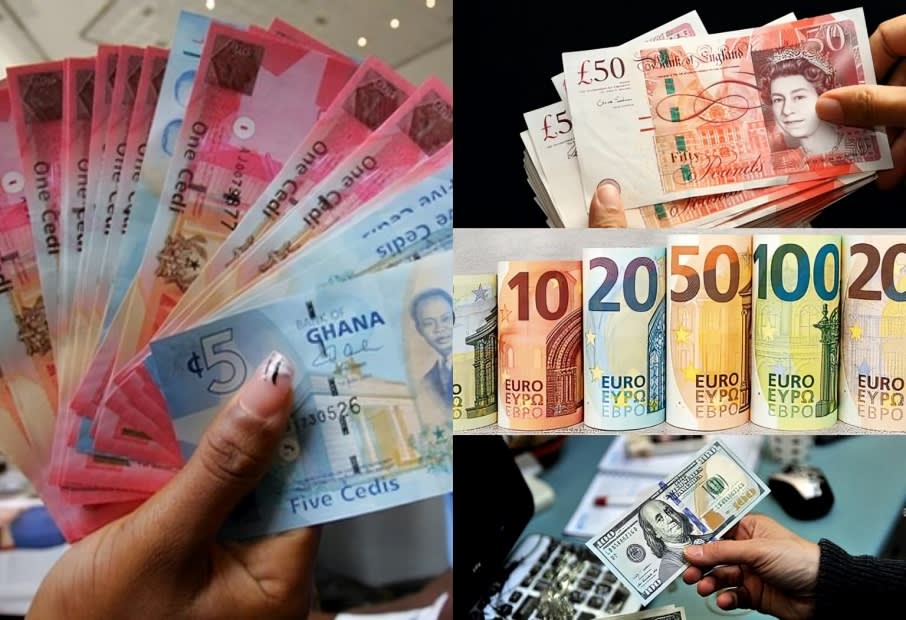
The Ghana cedi is expected to remain broadly stable over the medium term, according to PwC Ghana, offering businesses and investors renewed confidence after months of uncertainty in the foreign exchange market.
Speaking on the sidelines of the launch of the PwC Ghana 2026 Banking Survey in Accra, the firm's Country Senior Partner, Vish Ashiagbor, said recent interventions by the Bank of Ghana had eased pressure on the local currency, creating conditions for a more predictable exchange-rate environment.
The assessment comes as policymakers continue efforts to sustain macroeconomic stability while keeping inflation under control and rebuilding investor confidence.
Bank of Ghana interventions ease pressure
Mr. Ashiagbor acknowledged that the cedi had experienced bouts of weakness in recent months but said the central bank's foreign exchange interventions had helped restore calm to the market.
"On the cedi, we have seen some pressure recently, but we have also seen the Bank of Ghana inject some dollars into the market to stabilise the currency," he said.
"From a medium-term perspective, we continue to believe that the cedi will operate within the current band. We do not expect to see any major appreciation or depreciation in either direction." - Mr. Ashiagbor
His remarks follow the Bank of Ghana's injection of US$2.01 billion into the foreign exchange market in June. The support included US$1.20 billion through the Forex Intermediation Programme and a further US$811 million under its FX Intervention Programme, measures aimed at meeting rising demand for dollars while supporting currency stability.
Predictability offers relief for businesses
A more stable exchange rate carries practical benefits beyond financial markets.
Importers can price goods with greater certainty. Exporters are better able to forecast earnings. Investors, meanwhile, face less exchange-rate risk when making long-term decisions.
For households, exchange-rate stability could help contain the cost of imported products, including fuel, food and consumer goods that often become more expensive when the cedi weakens sharply.
PwC's outlook suggests the market may be entering a calmer phase after years of pronounced volatility that disrupted business planning across several sectors.
The firm's latest Banking Survey also projects that inflation will remain within the Bank of Ghana's medium-term target range, reinforcing expectations that broader macroeconomic conditions are improving.
PwC expects the cedi to trade between GH¢11.50 and GH¢13.00 to the US dollar by the end of 2026, signalling gradual movement rather than sudden swings.
Mr. Ashiagbor also indicated that the central bank is likely to leave its benchmark policy rate unchanged when the Monetary Policy Committee meets later this month.
"The inflation risks already identified by the Bank of Ghana were factored into its previous decision to hold the policy rate," he noted, adding that another pause "would not be surprising."
Banks urged to prepare for changing conditions
Even with a more stable currency, PwC cautioned that banks will need to adapt as interest rates gradually ease.
The report argues that financial institutions should rely less on income generated from high lending rates and expand revenue through digital banking, payment services, trade finance and other fee-based products.
While the outlook has improved, PwC believes maintaining stability will require continued discipline. Sustained dollar liquidity, controlled inflation and strong investor confidence will remain essential if the cedi is to avoid renewed pressure from global market shocks or rising demand for foreign currency.
For now, the message is measured rather than triumphant. Ghana's currency appears to have found firmer footing. The challenge is keeping it there.
READ ALSO: Ghana's Value-Added Cocoa Gains New Gulf Markets as CMC Secures UAE and Saudi Deals