The government has unveiled an ambitious package of Ghana fiscal reforms aimed at restoring discipline to public finances, curbing the country's debt burden and strengthening confidence in the management of state resources.
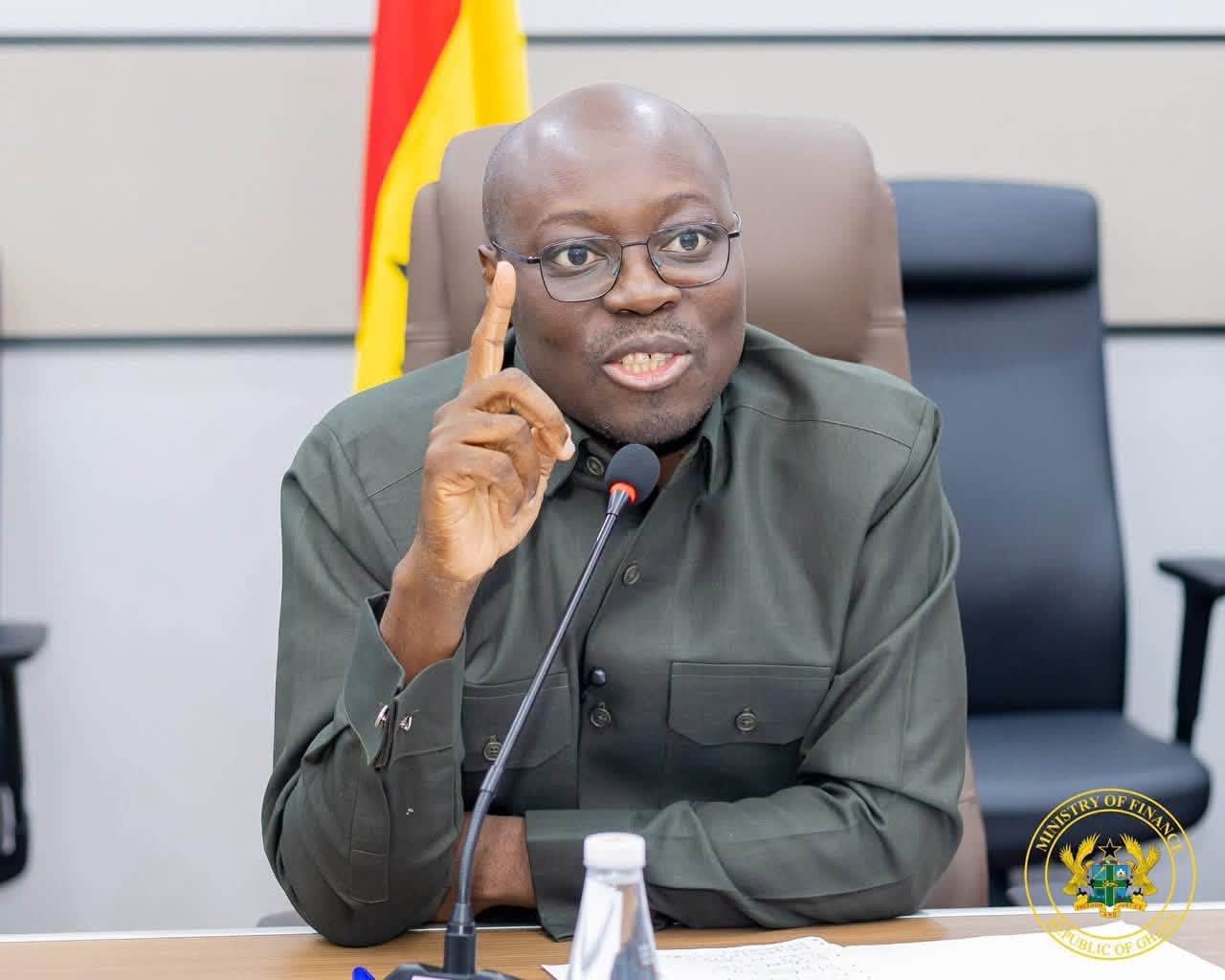
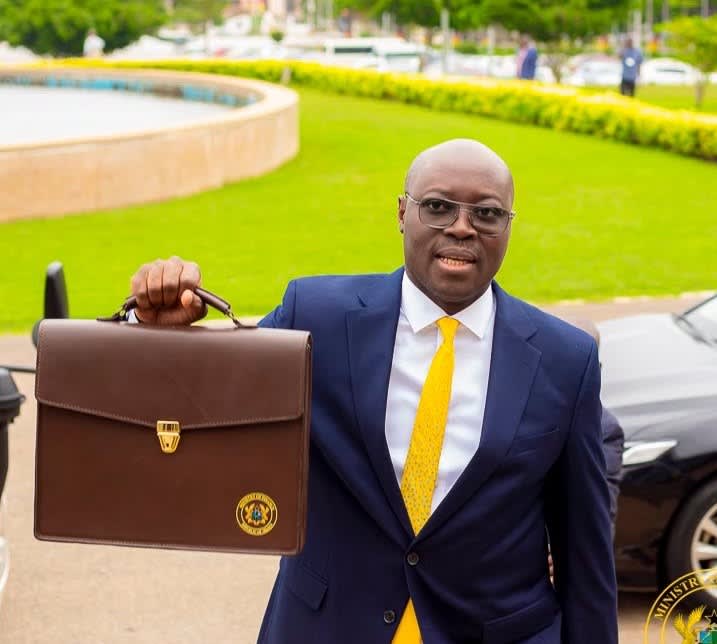
Presenting the 2026 Mid-Year Budget Review in Parliament on Thursday, Finance Minister Dr Cassiel Ato Forson outlined a series of legal, institutional and policy changes that he described as a turning point in Ghana's approach to fiscal management.
At the centre of the reforms is a shift away from relying primarily on tax increases to repair the economy. Instead, government says it will focus on controlling expenditure, improving efficiency and ensuring every cedi spent delivers value.
"Government also recalibrated their IMF programme, shifting the emphasis from revenue-led to expenditure-led fiscal consolidation to achieve a fairer sharing of the adjustment burden." - Dr Forson
The announcement comes as Ghana seeks to consolidate recent macroeconomic gains while avoiding another cycle of excessive borrowing that has weighed heavily on the economy over the past decade.
New Fiscal Rule Sets Debt Targets
One of the most significant measures announced is an amendment to the Public Financial Management Act, introducing a legally binding fiscal rule that future governments will be required to observe.
Under the new framework, Ghana must maintain a minimum annual primary surplus of 1.5 per cent of Gross Domestic Product while working towards reducing the country's debt-to-GDP ratio to 45 per cent by 2034.
"We amended the Public Financial Management Act to institutionalise a binding fiscal rule requiring a minimum annual primary surplus of 1.5% of GDP and a debt-to-GDP ceiling of 45% by 2034," the Finance Minister said.
Dr Forson argued that the reforms are intended to make fiscal discipline a permanent feature of governance rather than a temporary response to economic challenges.
"These reforms signalled that fiscal discipline would no longer define... fiscal indiscipline would no longer define the Ghanaian state," he added.
State-Owned Enterprises Face Tougher Oversight
The Finance Minister also identified state-owned enterprises as a major source of Ghana's debt accumulation.
According to him, liabilities generated by SOEs have added roughly three per cent of GDP to public debt every year over the past decade after several institutions failed to honour contractual obligations.
"Over the last 10 years, liabilities of state-owned enterprises have added the equivalent of about 3% of GDP to Ghana's public debt every single year," he disclosed.
He explained that government had repeatedly been forced to absorb those liabilities, diverting resources away from roads, schools, hospitals and other national priorities.
"This contributed to the sharp rise in Ghana's public debt. As a result, the resources that would have financed critical infrastructure were used to pay those SOEs' debt." - Dr Forson
To prevent a repeat, government is extending the commitment authorisation regime to state-owned enterprises, meaning they will no longer be able to commit public funds without the necessary approvals.
Stronger Spending Controls Introduced
Beyond legal reforms, government has established new institutions to improve accountability in public expenditure.
The newly created Value for Money Office will assess whether public projects deliver measurable benefits relative to their cost.
"We established the Value for Money Office to strengthen expenditure efficiency, improve the quality of public expenditure and ensure that every cedi spent delivers maximum value for the Ghanaian people." - Dr Forson
A new Fiscal Council will also provide independent oversight of government finances, while a comprehensive audit of public payables is expected to eliminate irregular obligations and prevent the build-up of unauthorised debts.
Government has further amended the Public Procurement Act, requiring commitment authorisation before procurement processes begin.
"This reform firmly linked procurement to the approved budget and restored discipline to public expenditure management across the government," the Finance Minister noted.
Leaner Government and Tax Relief
The reform agenda also includes measures to reduce the cost of running government.
Dr Forson announced that the number of ministers has been reduced from 123 at its peak to 60, while ministries have been streamlined from 30 to 23.
Government says the decision is both an economic necessity and a signal that fiscal restraint should begin at the top.
"A leaner government is not merely good politics but is also a sound fiscal policy," he said.
The administration has also reduced spending on foreign travel, conferences, workshops and non-essential vehicle purchases.
On the tax front, government reiterated that it had abolished several levies, including the Electronic Transfer Levy, Betting Tax, COVID-19 Health Recovery Levy, Emission Tax and VAT on Motor Insurance.
"The objective was very clear. First, to restore investor confidence. Second, to revive private enterprises. Third, to provide relief to households and businesses," Dr Forson stated.
Taken together, the reforms represent one of the most comprehensive overhauls of Ghana's fiscal management framework in recent years.
The real test, however, will lie in implementation. Binding rules, stronger oversight and leaner government structures may reshape public finance, but only if they are consistently enforced long after the budget speech has ended.
READ ALSO: 2026 Mid-Year Budget: Gov't Reallocates GH¢976 Million for New Buses and Flood Response