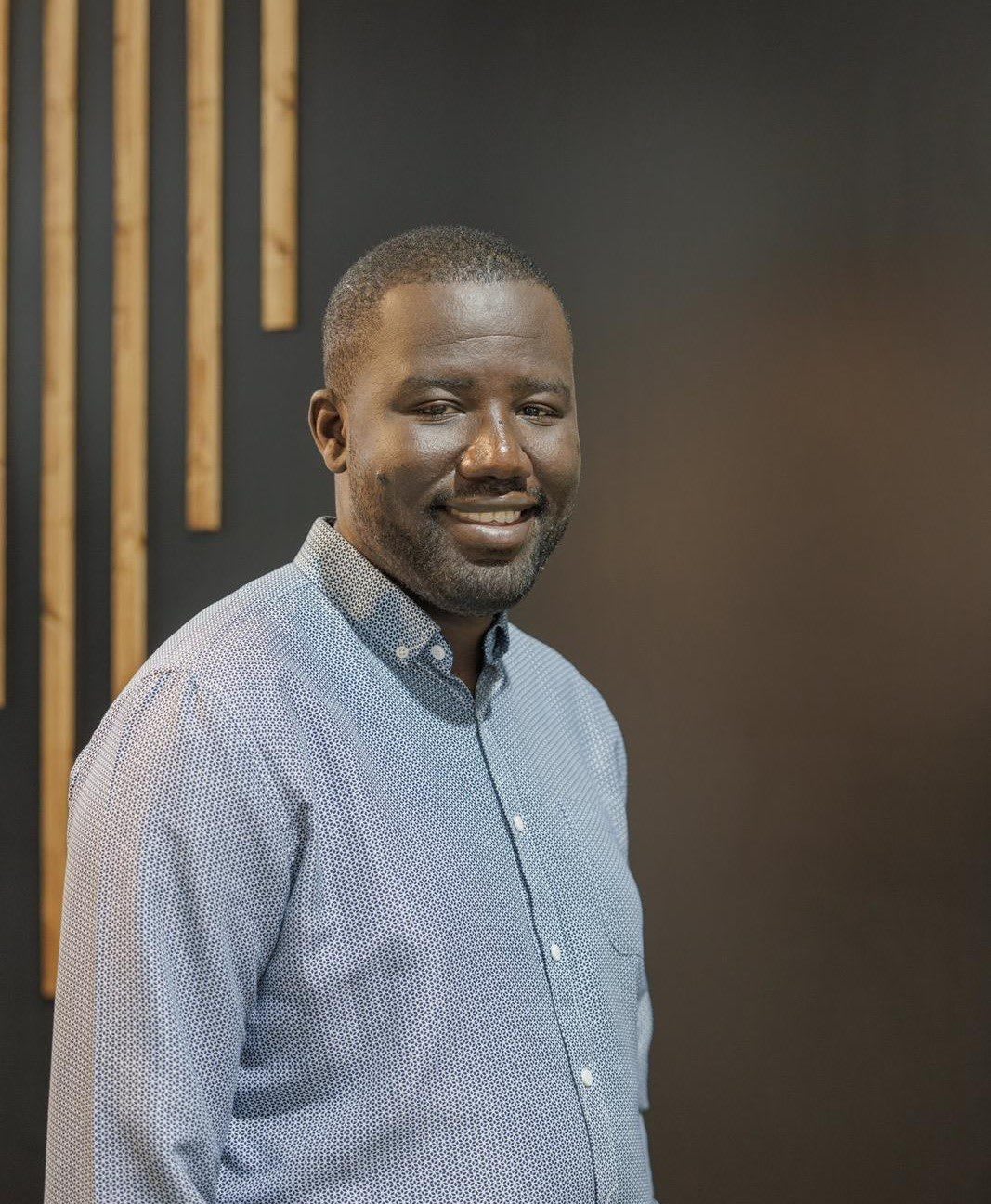
The Public Utilities Workers Union thinks Ghana is looking in the wrong direction for answers to its energy sector troubles.
According to Deputy General Secretary Enoch Paul Hayes, the country doesn't need to lean so heavily on the IMF and World Bank to sort out a crisis he believes has homegrown solutions.
Hayes wants attention on Independent Power Producer contracts, not the usual prescriptions handed down from Washington.
"They are saying that there are issues, and the issues are not where you are trying to tackle, but the issues are really in places where it's a matter of concern. For example, the generation: we have IPPs and their pricing." - Paul Hayes
Why is that not a concern?" he asked.
It's a fair question given the numbers on the table. The IMF projects a US$1.1 billion financing gap for the sector in 2026, blaming distribution losses and expensive generation deals, the very thing Hayes says nobody wants to touch.
The Fund has pushed for quarterly tariff adjustments and more private-sector involvement in distribution. The World Bank has gone further, warning that dragging feet on reform could put Ghana's debt sustainability gains at risk.
"The IMF is not Father Christmas"
Hayes isn't buying the urgency. "We can do something. We don't always need to rely on the IMF. I want to state it clearly. We have evidence. The IMF is not Father Christmas," he said.
He pointed elsewhere on the continent as a cautionary tale.
"What is happening to Nigeria? Whatever they said they were trying to do there has worsened the whole situation. What happened to Uganda? The examples are there," he said, framing external prescriptions as something Ghana should weigh carefully rather than accept outright.
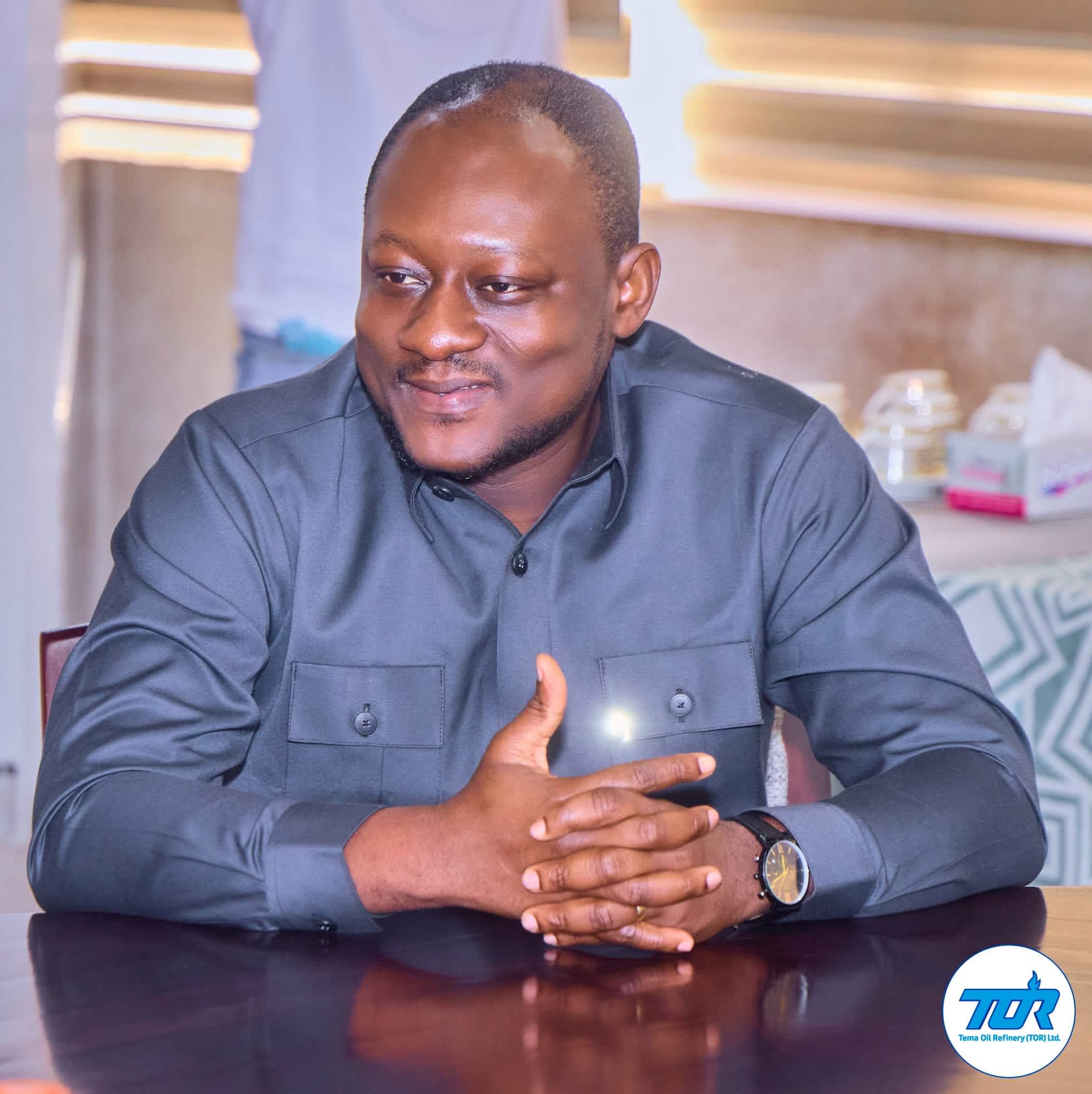
To back his argument, Hayes turned to Tema Oil Refinery, an institution that struggled for years before recent improvements.
"Just like we stood as Ghanaians and turned around TOR, and we are praising ourselves today for the performance of TOR. We are seeing it today," he said.
He also revealed that Organised Labour and the TUC have already handed government their own proposals for tackling the energy crisis, describing it as workers giving "the president and also the minister some critical and important things we need to do and tackle."
ECG's numbers raise a question
Hayes then turned the spotlight on the World Bank's own assessment of the Electricity Company of Ghana.
"The World Bank were the same people who said that currently, the ECG, our revenue is coming up, we are doing well. So what has changed?" he asked.
The figures support his point, to a degree. ECG's 2025 revenue climbed to GH¢22.1 billion, and its after-tax loss shrank from GH¢8.26 billion to GH¢2.52 billion, alongside stronger revenue collection and lower obligations to IPPs.
Challenges remain, but for Hayes, the trajectory is evidence enough that Ghana doesn't need outside institutions dictating every step forward.
READ ALSO: BoG Blacklists 20 Unlicensed Loan Apps Operating in Ghana